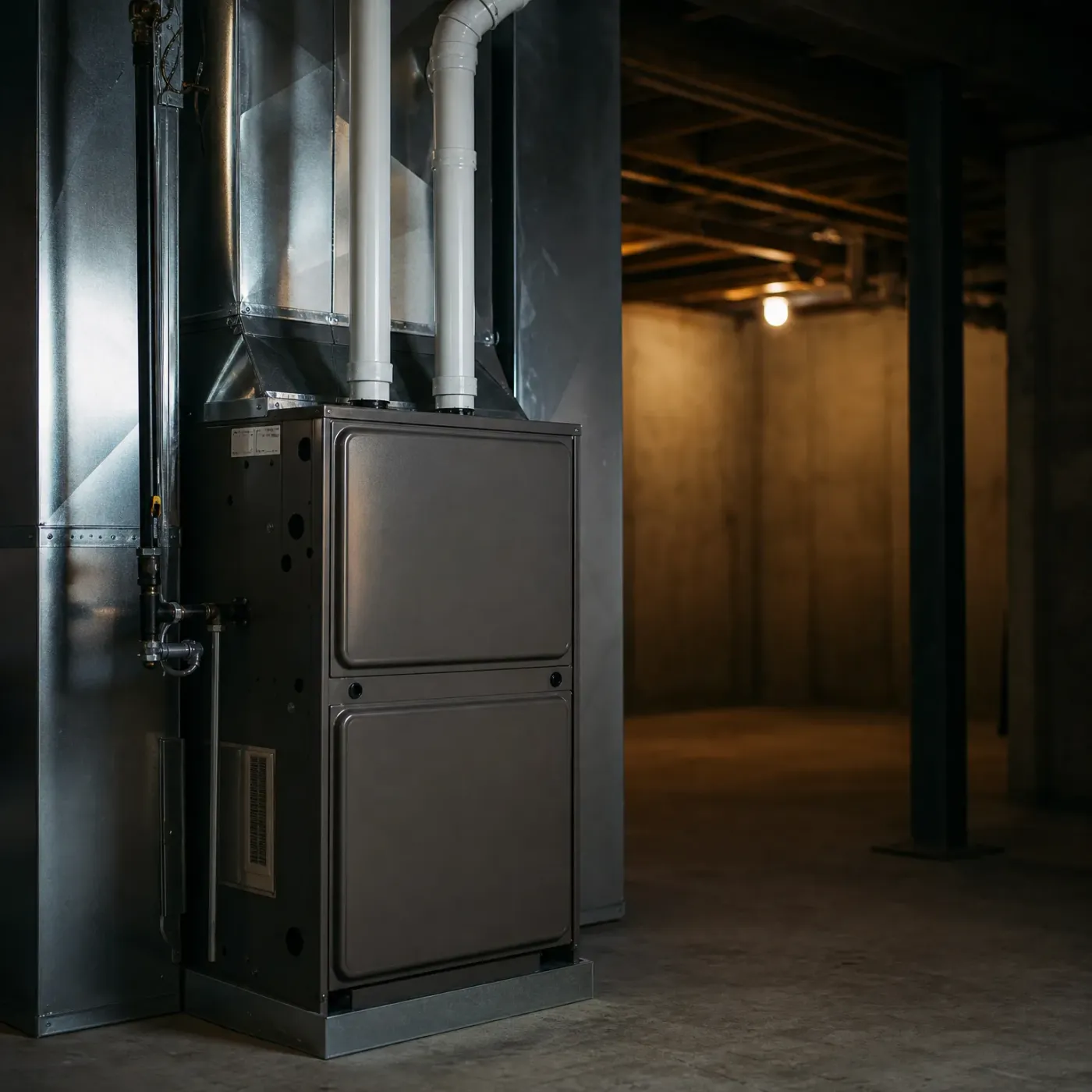




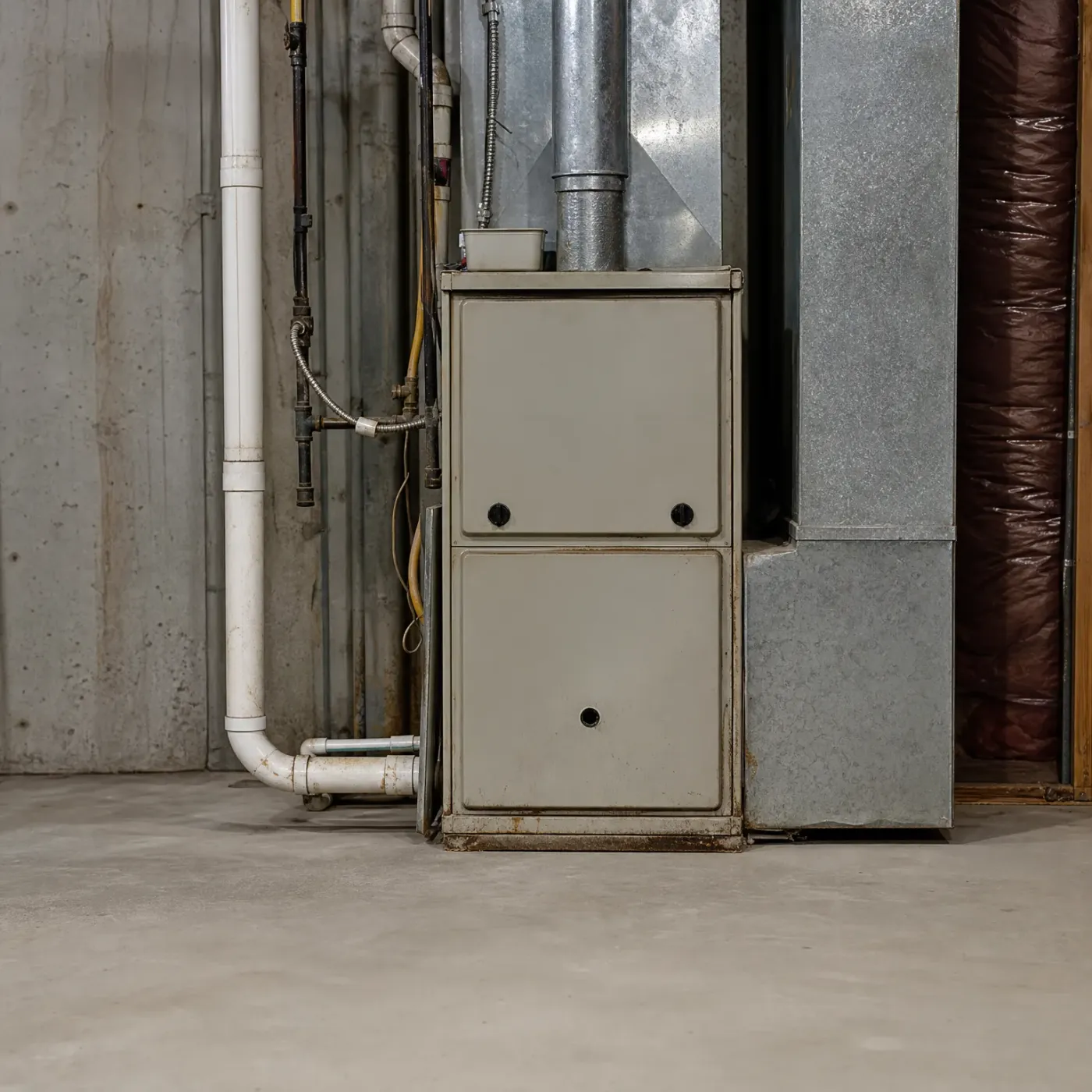
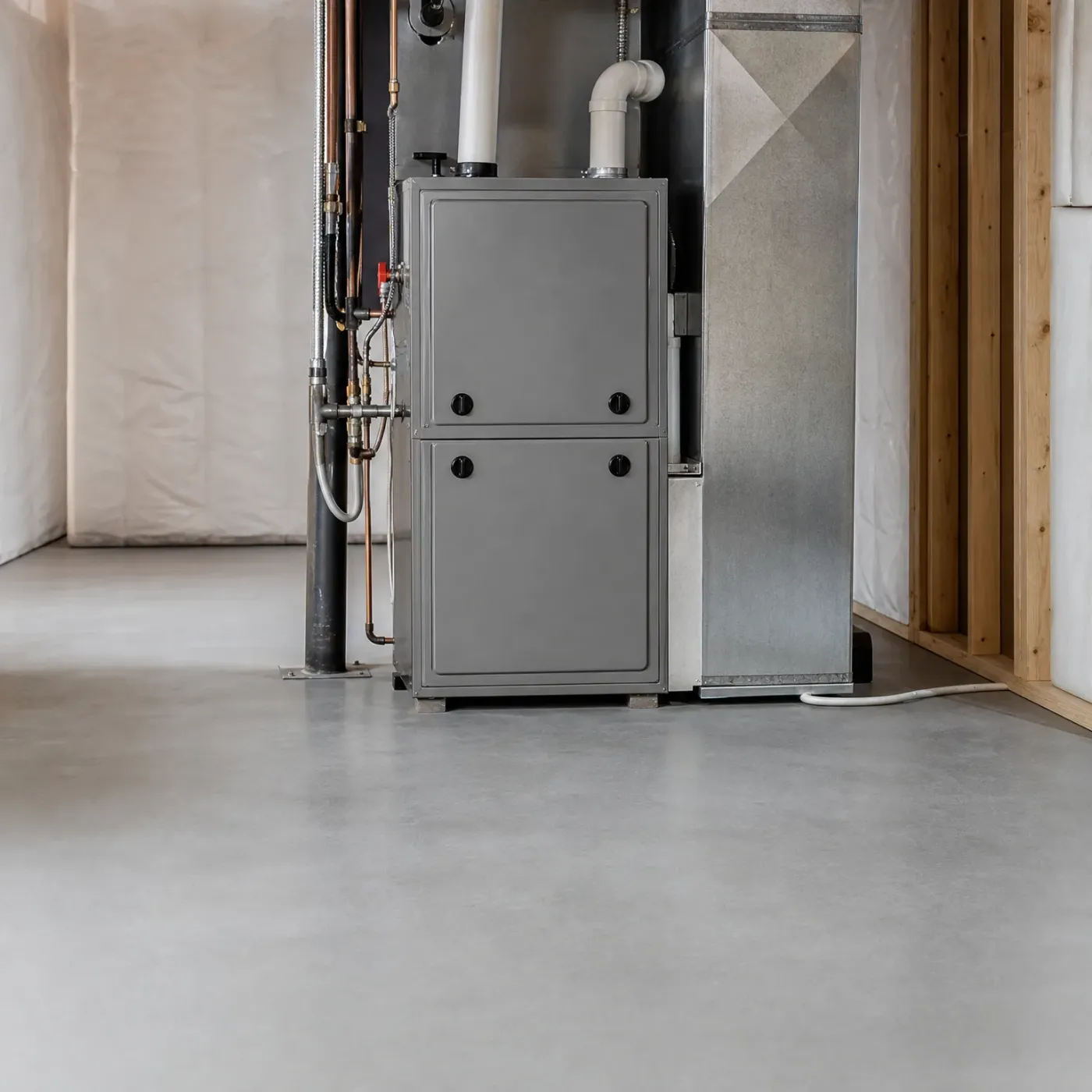
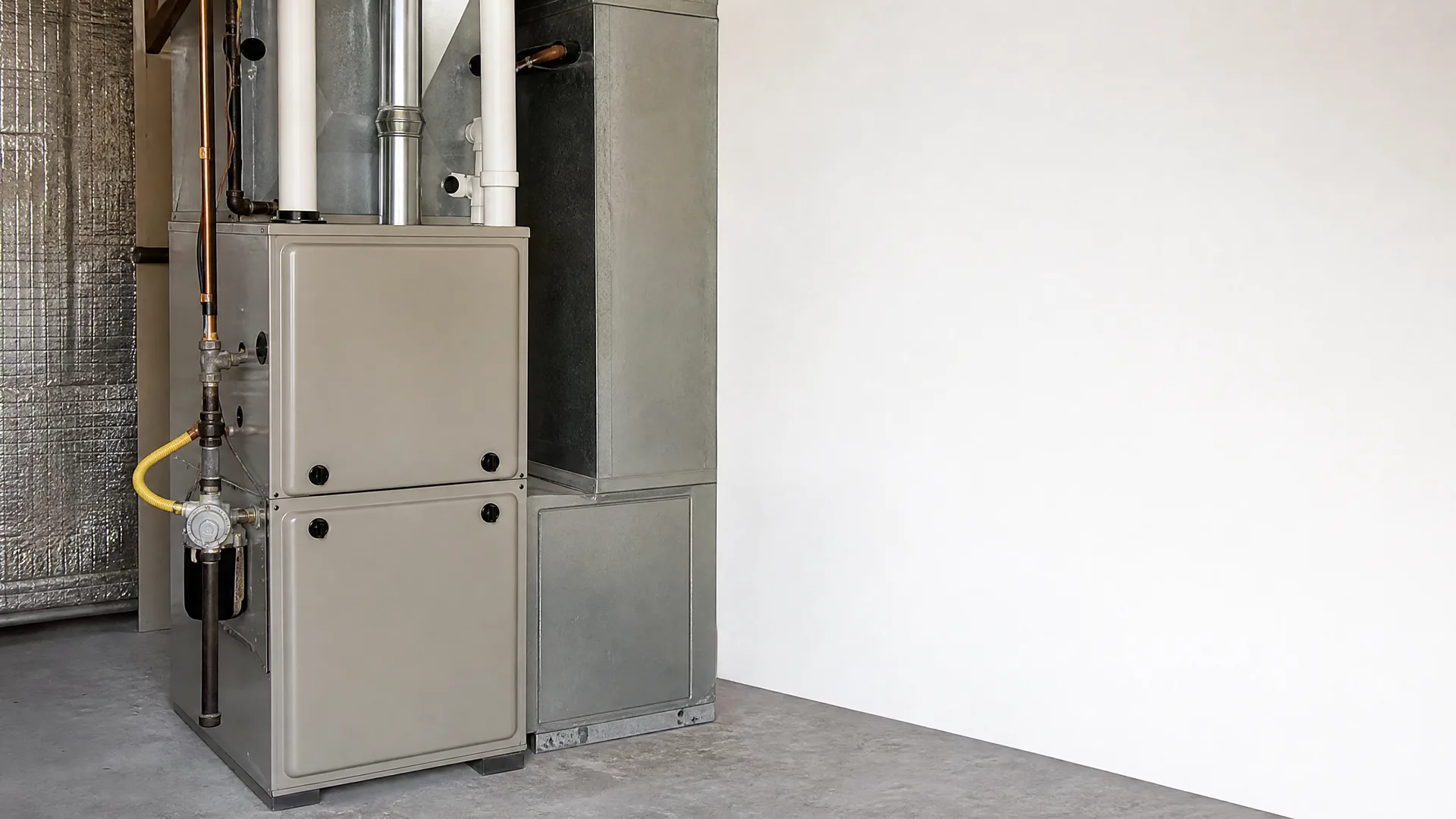
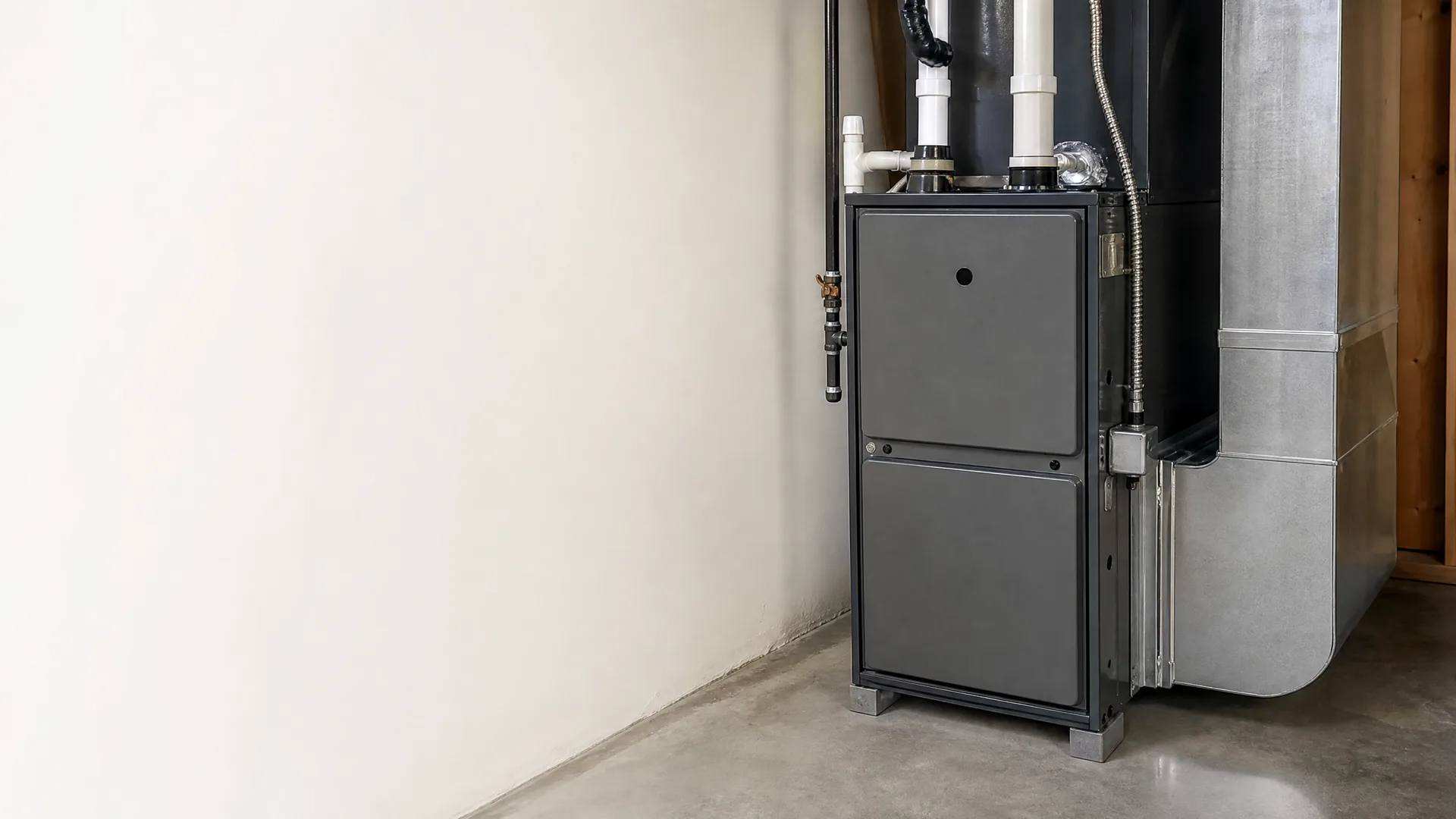
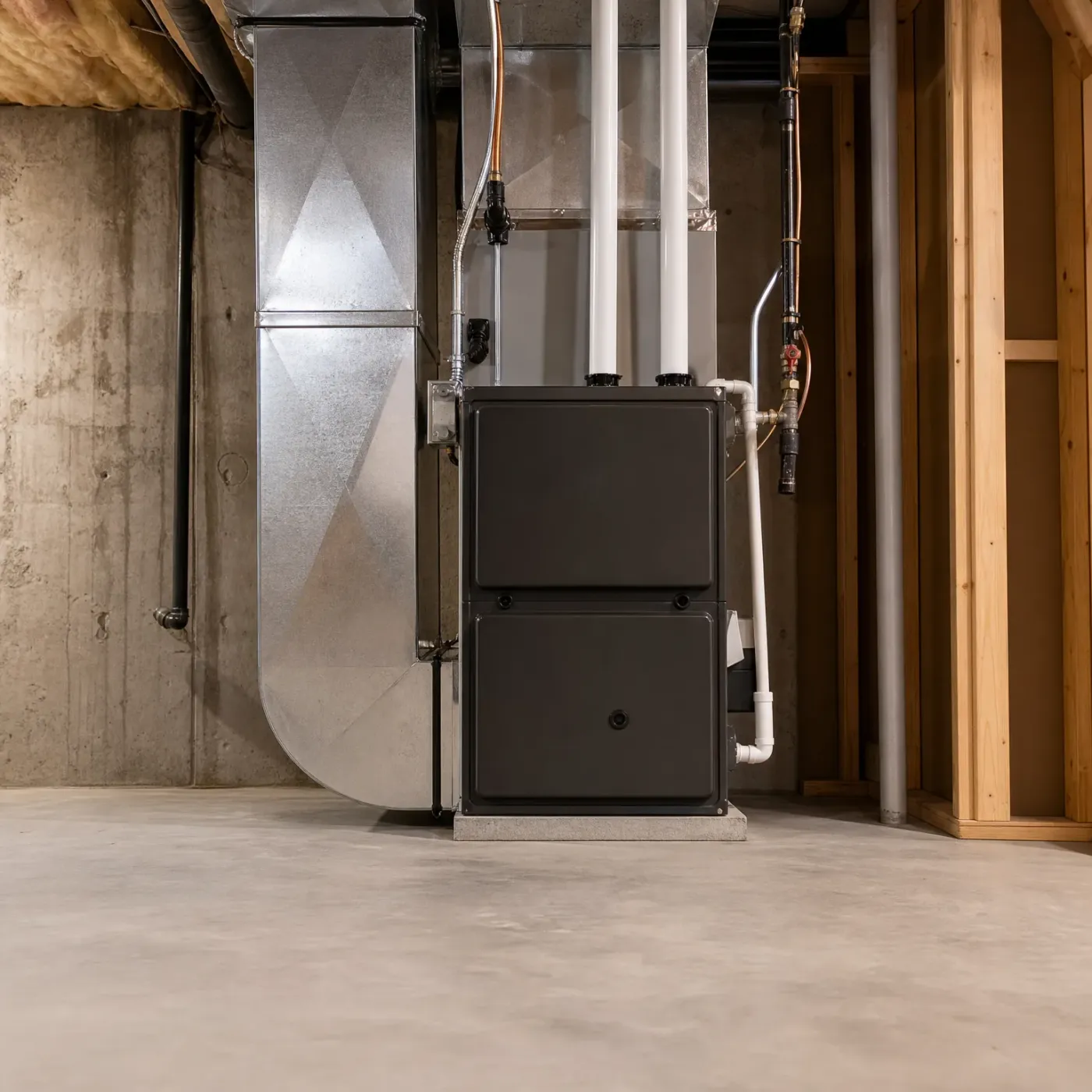
A gray high-efficiency furnace with two white PVC vent pipes stands beside galvanized sheet-metal ductwork in a dim basement with exposed joists and a concrete floor.

Matched to your furnace job

Why your furnace filter gets dirty fast in California

A furnace filter that's gray in a few weeks usually isn't a fluke. Dry air, dust that never gets rained out of the air, and a furnace that cycles on and off all winter all play a part. This page gets into what's driving it and what changing it more often actually buys you. When you're ready, you can get matched with a contractor who looks at your system and takes it from there.

Get a furnace pro

A furnace filter in California gets dirty fast because the air feeding it is dry and full of fine dust, and nothing washes that dust down the way rain does in other parts of the country. Long dry stretches let dust, pollen and ash sit in the air and move through the house instead of settling out. Your furnace pulls that air through the filter every time it runs, and in a gas furnace that's often, since most homes here heat with gas and the system cycles on and off through the cooler months. Each cycle pushes more of that dry dust into the same filter. A filter that would last a couple of months somewhere humid can look gray in a few weeks here. Once it's clogged, the furnace has to work harder to pull air through it, which is the kind of strain worth catching early, especially with power costs what they are in California.

A gray-haired bearded man in a dark coat and scarf dusted with snow stands smiling in a dimly lit entryway with a white front door, a side table with a lit lamp, an oval mirror, and a patterned rug.
An older bearded man in a dark snow-dusted coat and gray scarf stands just inside a dimly lit home entry, with a framed picture, lit table lamp, and an adjoining room with a fireplace behind him, and snow visible through the open door.
A gray-haired, bearded man in a dark snow-dusted coat stands smiling in a dimly lit entry hall with a staircase, a lit table lamp, a framed picture, and a living room visible through a doorway.
An older man with gray hair and a beard, wearing a dark jacket dusted with snow, stands smiling in a dimly lit hallway with lamps and a living room visible behind him.

Every time your blower kicks on, it draws air from the house back across the filter before sending it through the furnace and out to the rooms again. That happens over and over on a winter day, and each pass carries whatever is in the air at that moment. In most of the country rain pulls dust and pollen out of the air before it ever reaches a vent. Here it stays airborne, so the filter is catching more per hour than one in a wetter climate would. A pleated filter holds that dust in its folds, and the folds fill from the inside out, which means airflow can drop well before the filter looks dirty to the eye. After a bad fire season, ash settles into the attic and ductwork and keeps shedding into the airstream for months. None of this is a sign anything is broken. It's what a gas furnace moving dry, dusty air does, filter after filter, until the folds are full.

How the dust actually gets in

  • Your furnace pulls return air across the filter every time the blower runs, and in winter that blower cycles on and off for hours at a stretch.
  • Dry California air holds dust instead of settling it, so the same cubic foot of air passes the filter carrying more grit than humid air would.
  • A pleated filter traps particles by catching them in its folds, and once those folds fill in, airflow drops before the filter looks obviously dirty.
  • Wildfire smoke and ash from late summer can linger in attics and ducts for months and keep feeding fine particulate into the system long after the fire is out.
  • Gas furnaces heat air that then gets pushed right back through the house, so whatever dust is already inside gets recirculated through the same filter again and again.
  • A thinner one-inch filter has less surface area to hold dust than a thicker filter, so it reaches capacity sooner even with the same air quality.
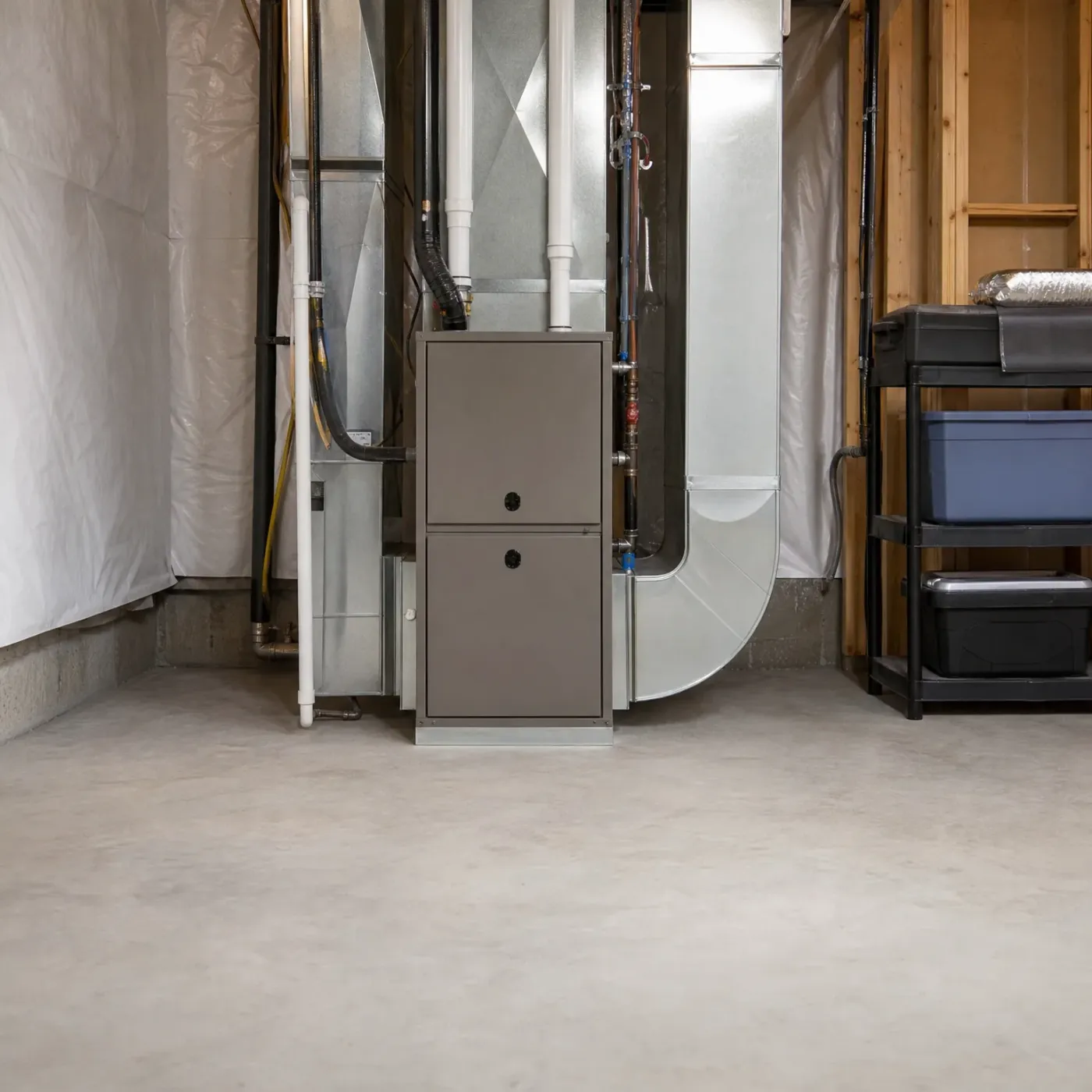
A basement utility area with a gray furnace, sheet-metal ductwork, pipes, plastic-covered walls, a concrete floor, and a black shelving unit holding storage bins.
A clean filter lets the furnace pull air through it without a fight, so the blower runs the way it was built to.
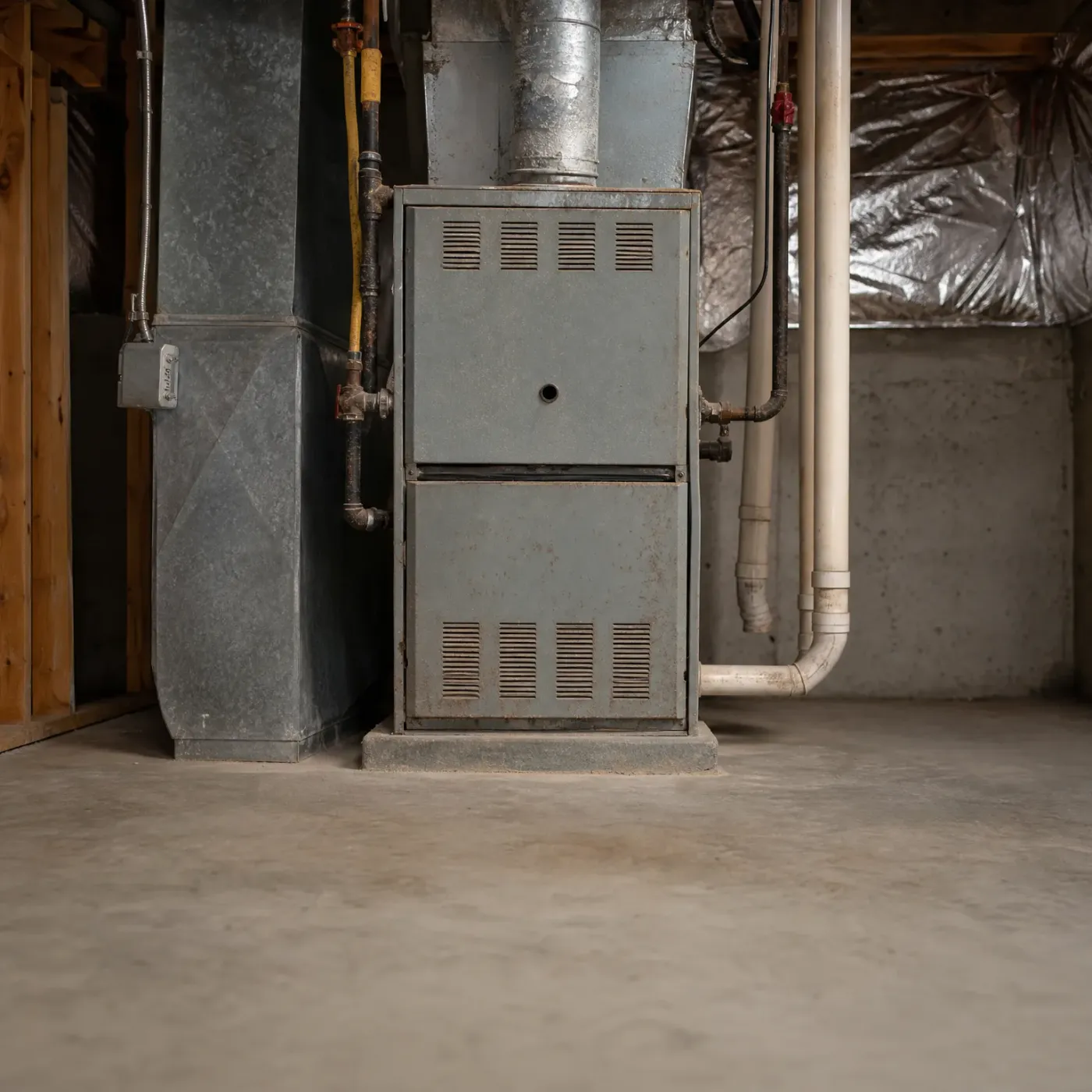
A gray metal furnace with louvered vent panels stands on a concrete basement floor beside galvanized ductwork, gas and plastic pipes, and foil-faced insulation along the ceiling and wall.
A filter left in too long chokes airflow, and dust that can't pass through it settles on the furnace cabinet itself.
  1. Return air carries fine dust toward the filter as the blower runs.

  2. The filter catches that dust and airflow starts to narrow.

  3. Dust the filter can't hold settles on the blower wheel and coil.

  4. A clogged filter forces the blower to work harder to move air.

Check Monthly or Change on Schedule

Check it monthly

  • You catch it before airflow drops enough to strain the blower motor.
  • A quick look tells you if ash or pollen season is loading the filter faster than usual.
  • You can stretch the interval during mild stretches instead of swapping it on a fixed schedule.
  • It costs you a few minutes but nothing else, since you're only checking, not replacing.
  • You notice early if a MERV rating is too fine for how much dust your air is carrying.

Change on a fixed schedule

  • You never end up running the furnace on a filter that's already choked.
  • It's one less thing to remember to look at during a busy week.
  • You risk changing a filter that still had weeks of life left in it, which runs up the cost over a year.
  • A fixed schedule doesn't account for a dry spell or a bad ash day that fills the filter faster than normal.
  • It works fine as a backup even if you forget to check in between.
A beige furnace with two access panels stands against a concrete basement wall, with galvanized sheet-metal ductwork, a white PVC pipe, flexible conduit and insulated ducting around it.
Before you get your furnace maintenance
A gray furnace with white PVC vent pipes stands beside sheet-metal ductwork in a basement with a smooth concrete floor, exposed wood framing, and plastic sheeting on the walls.
After you get your furnace maintenance

A furnace pro near you

A furnace that keeps choking on a dirty filter month after month is telling you the filter isn't the whole problem. A blower pulling harder than it should, a coil picking up dust the filter missed, a cabinet that's dirtier than it has any reason to be, those are things a tech checks during maintenance and you can't check from the hallway closet. With power costs what they are in California, a blower working overtime to pull air through a clogged filter isn't a small thing on the bill. Maintenance catches that strain before it turns into a bigger repair, and it tells you whether your filter is wearing out fast because of the air outside or because something inside the system is pulling more dust than it should. Sending the request costs you a few minutes. What you get back is someone who deals with this in homes like yours, looking at your furnace instead of you guessing at it.

A beige residential gas furnace with white PVC vent pipes, copper and yellow gas lines, and adjacent sheet-metal ductwork stands on a concrete floor beside a plain white wall.

What a dirty filter costs you

Power in California costs more than almost anywhere in the country, and a clogged filter makes the blower draw more of it. The motor is built to move a set amount of air. When the filter chokes that down, the motor doesn't quit, it just works longer and harder to push the same air through a smaller opening. That shows up on the bill before it shows up as a breakdown, and it keeps showing up every month the filter stays in.

A gray high-efficiency furnace with white PVC vent pipes and metal ductwork stands on a concrete floor beside a plain off-white wall in a basement.

Why summer doesn't fix it

In a lot of the country, a wet summer rinses the dust out of the air and gives the filter a break. Summers here are warm but the air stays dry, so there's no season where the dust load lets up. The furnace sits idle for months, but the dust in the air doesn't go anywhere, and whatever's floating around in July is still there when the furnace starts cycling again in the fall.

Winter nights average 40°F statewide

Those 40°F nights mean your furnace isn't just kicking on now and then, it's holding a steady call for heat most of the night. That's more hours of the blower dragging dusty air across the filter before morning.

NOAA nClimDiv 1991-2020 county normals weighted by homes

A dark high-efficiency furnace on a concrete pad in a basement, connected to galvanized ductwork, white PVC vent pipes, and copper and black gas piping, with concrete walls and wood framing nearby.

A furnace moving air the way it should

This cabinet sits clean on its pad, and the ductwork above it is doing the job of carrying air, not holding onto it. A filter changed on schedule keeps the blower pulling at the rate it was built for, so the gas furnace fires, heats, and shuts off without a fight.
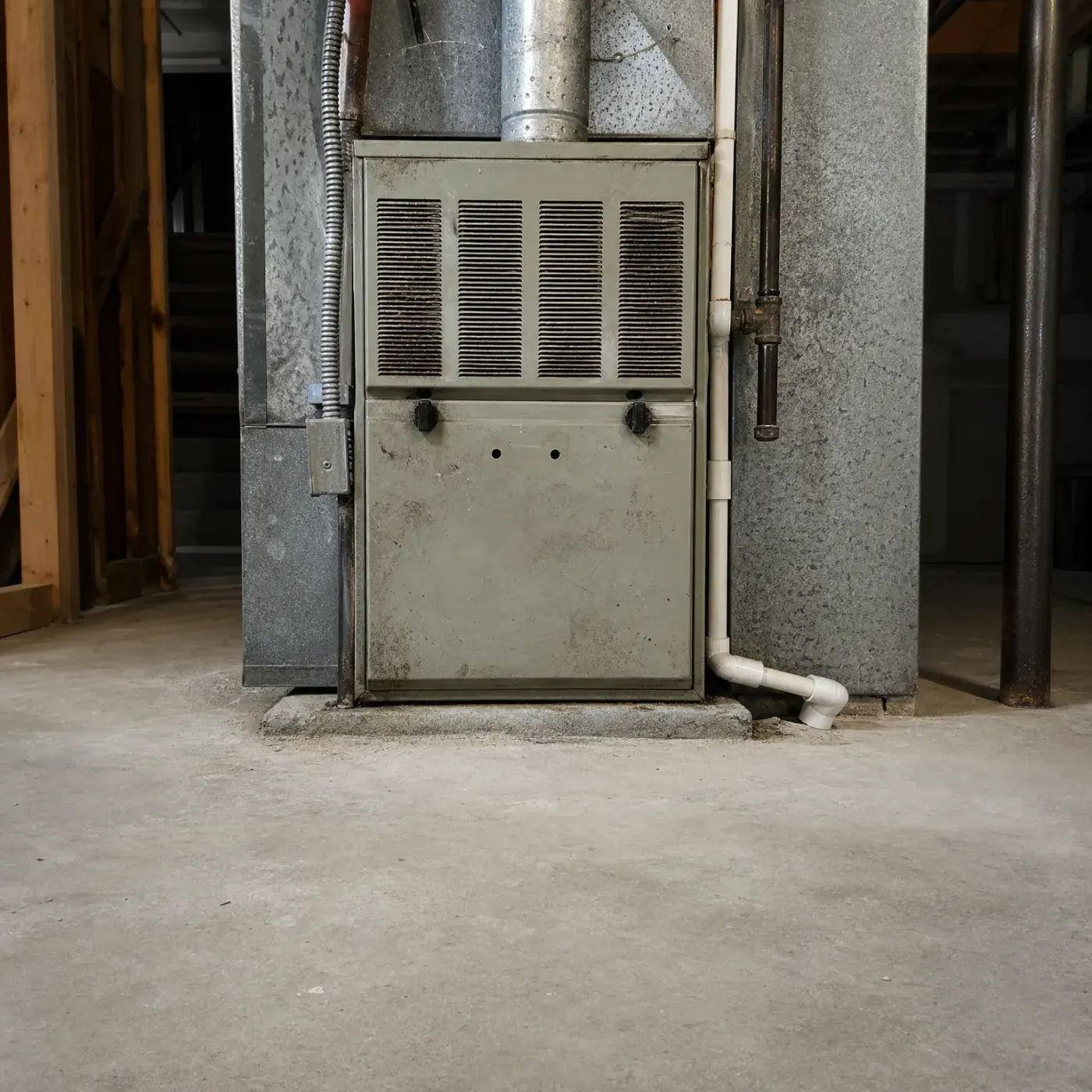

A gas furnace with a louvered upper panel stands on a concrete pad in a basement, flanked by sheet-metal ductwork, white PVC and metal pipes, and insulated columns.

A furnace fighting a filter that's too far gone

This one has dust working past the filter and into the cabinet, and over a winter of hard cycling that adds up. The flexible conduit and condensate line are the same as any gas furnace's, but a blower straining against a clogged filter wears on parts that didn't need to wear yet.

A smiling man in a denim shirt and white t-shirt stands in an open dark doorway of a stucco house, facing a woman with long brown hair and a green jacket seen from behind in the foreground.

California dust keeps coming. The filter just has to keep up with it.

Dry air, fine dust, and a blower that runs for hours at a stretch all winter. That's why your filter grays out faster here than it would somewhere wetter. None of that changes. What changes is whether the filter gets swapped before it starts choking the blower and running up what you pay to heat the house.

If you've read this far, you already know the house is worth keeping up. A contractor who services furnaces in your area can look at your system and work out a filter schedule that actually fits how hard your blower runs, not a generic one. Once you're matched with someone, that part stops being something you have to figure out on your own.

A gray upholstered sofa with a matching cushion sits beside a potted plant and a wooden table holding a small green plant in a stone pot, near a curtained window.
A woman wrapped in a thick beige fleece blanket sits on a sofa with an open book on her lap, beside a lit table lamp, with a frost-covered window behind her.
An older woman with gray hair in a bun and glasses, wearing a beige knit sweater, smiles while looking to the side in a warmly lit kitchen, with a loaf of bread on the counter in the foreground and a snowy scene outside the window.

Furnace Maintenance

A local pro for your furnace maintenance

Send the form and the furnace tune-up stops being something to remember.

A black-framed smartphone standing upright against a plain white background, its screen filled with solid green.
Step 1 of 3: Equipment