Why your furnace ignitor keeps failing in California
Tell a local repair pro what your furnace is doing.
A furnace ignitor that fails once might just be worn out. One that keeps failing, replaced and gone again in a season or two, is telling you something else is going on. That's not normal wear. Something is pushing harder on that part than it should.
In most California homes the furnace is gas, and the ignitor is small and exact. It only takes so much voltage, and anything off, a flickering supply, a draft issue, a control board that's not reading things right, will wear it down fast. Power here runs expensive, which means homes often have other systems competing for the same circuits, and a furnace that's not getting steady power is going to chew through ignitors no matter how many times it's swapped out.
Winters in California don't ask a furnace to run as hard as they might elsewhere, so when an ignitor keeps dying anyway, it's usually not overuse. It's a wiring issue, a bad batch of parts, or something in the furnace itself putting the ignitor under more strain than it was built for.
Figuring out which one takes someone looking at your actual unit, not guessing from a list of possibilities. A contractor who works on furnaces in California homes will know what tends to go wrong with your model and your setup, and can look past the ignitor to whatever's actually causing it to fail.
Once you send your information through, this stops being something you have to chase down yourself. A contractor who handles this kind of repair gets your details and reaches out to you directly. You don't have to keep researching part numbers or guessing what's next. That part becomes someone else's job.
A furnace ignitor that keeps failing is usually reacting to something else in the system, not just wearing out on its own. Most homes here heat with gas, and the ignitor is built to handle normal cycling for years. When it burns out every season or two, the cause is often a dirty flame sensor telling the control board the flame isn't there, a cracked heat exchanger, a draft problem from the vent, or a furnace that short cycles because the blower or a clogged filter is restricting airflow. Each of those puts the ignitor through more on-off cycles than it was built for, and it fails early again even after a straight swap. A new ignitor without finding that cause just buys a few months before the same call. Since gas heat is how most California homes stay warm, a furnace that's working against itself this way is also running up power use on top of the repeated repairs.
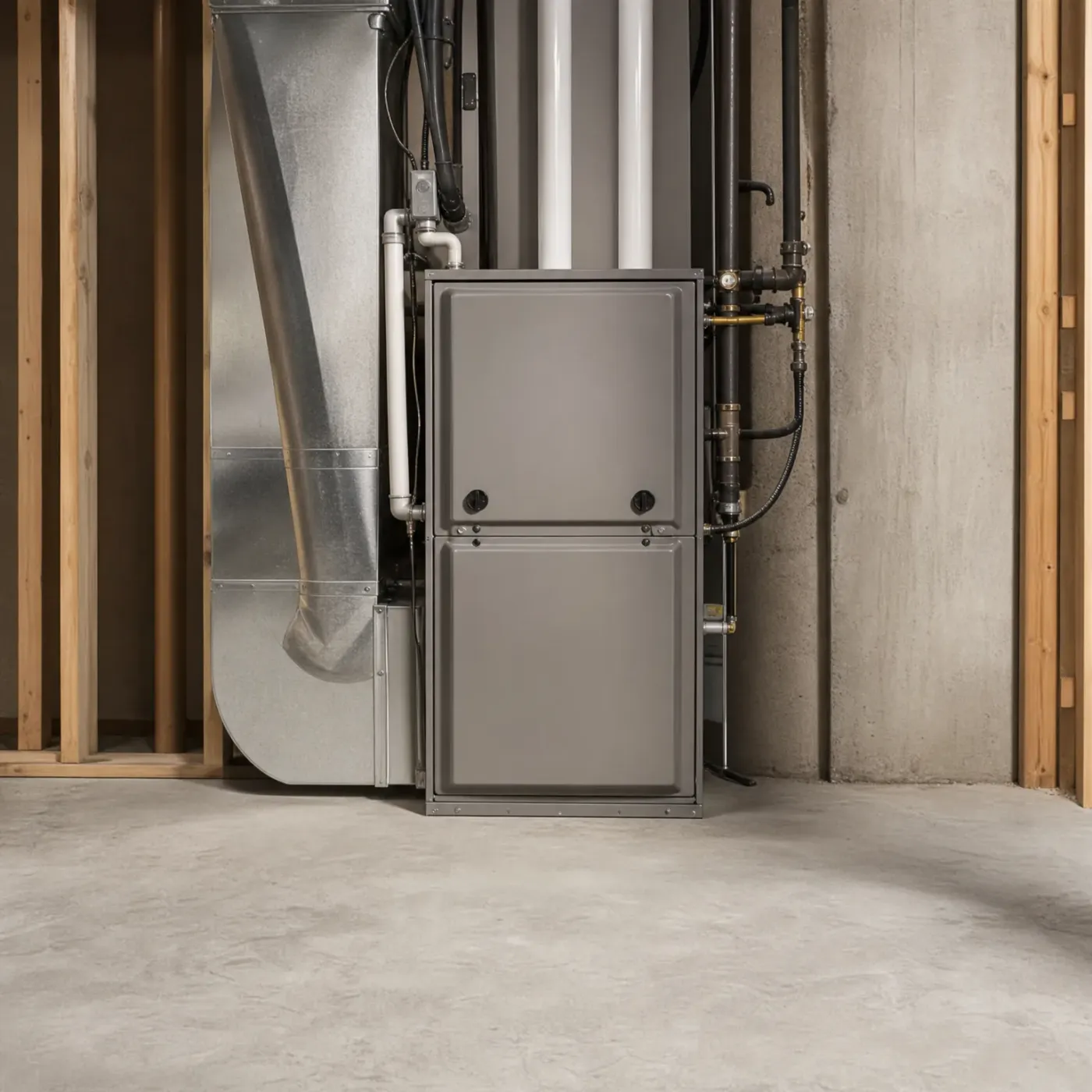
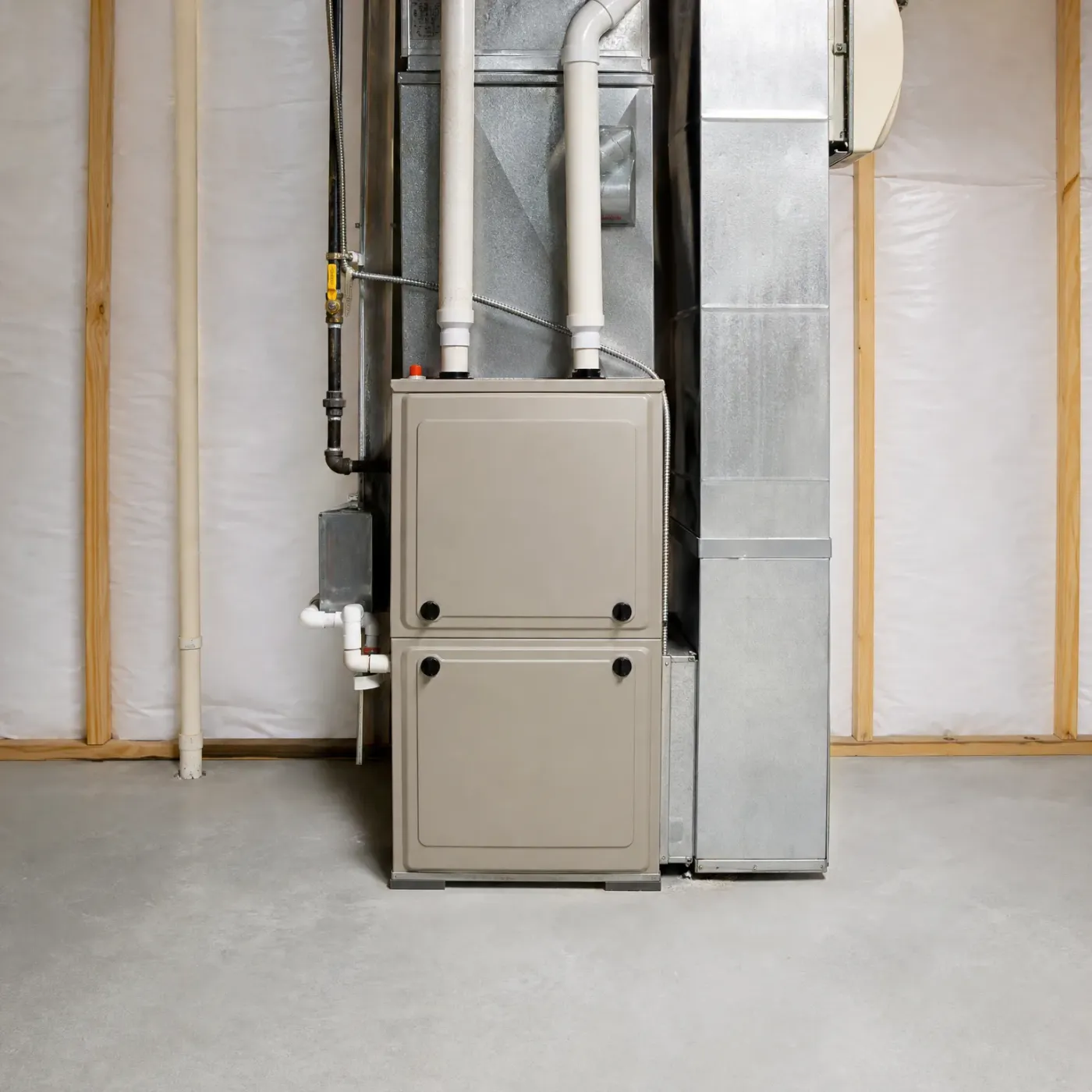
A furnace cycling the way it was set up to: the ignitor lights the burners once and settles into a steady pattern for the rest of the run.
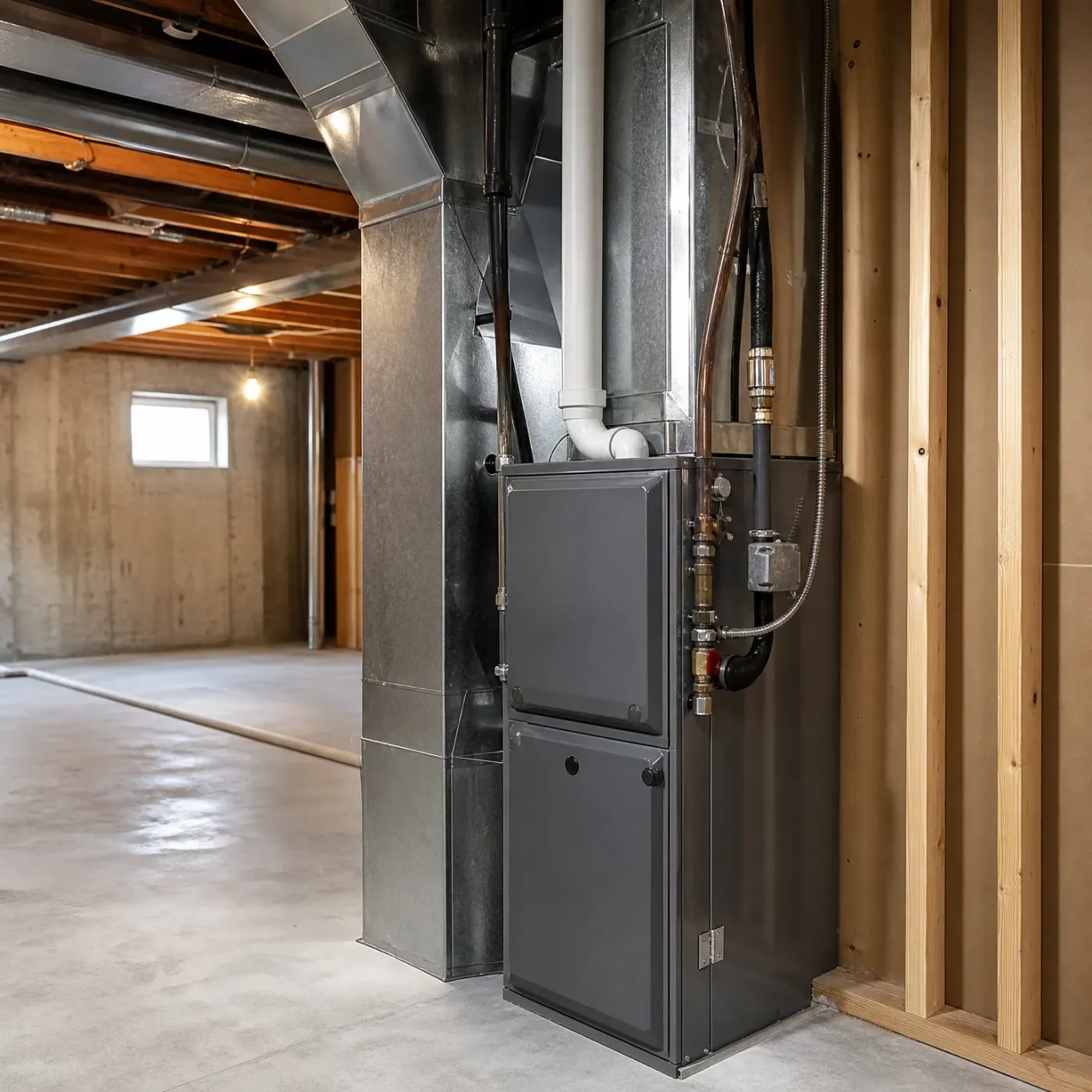
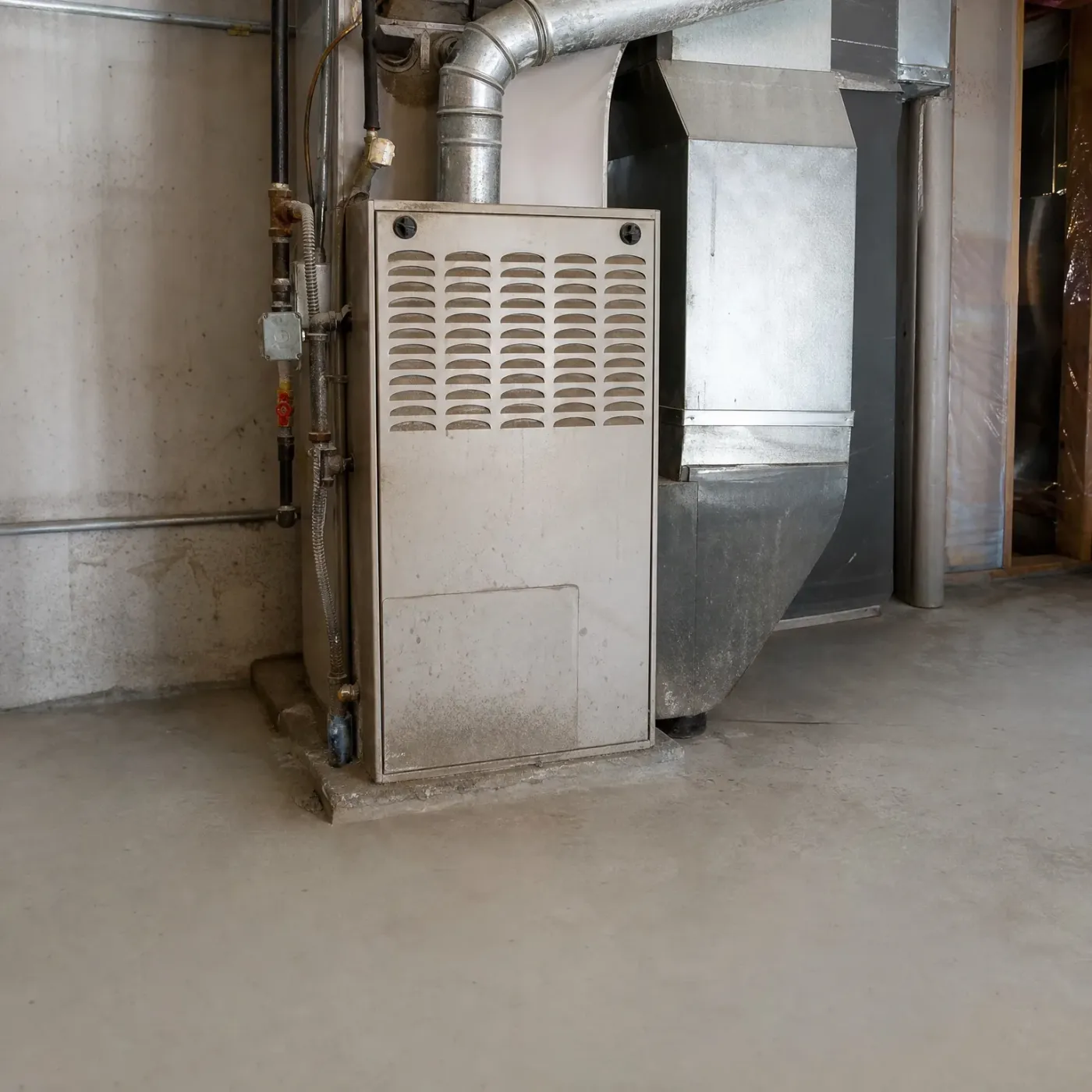
Short-cycling wears an ignitor out fast, and the rust here suggests the cabinet has been damp or poorly sealed for a while.
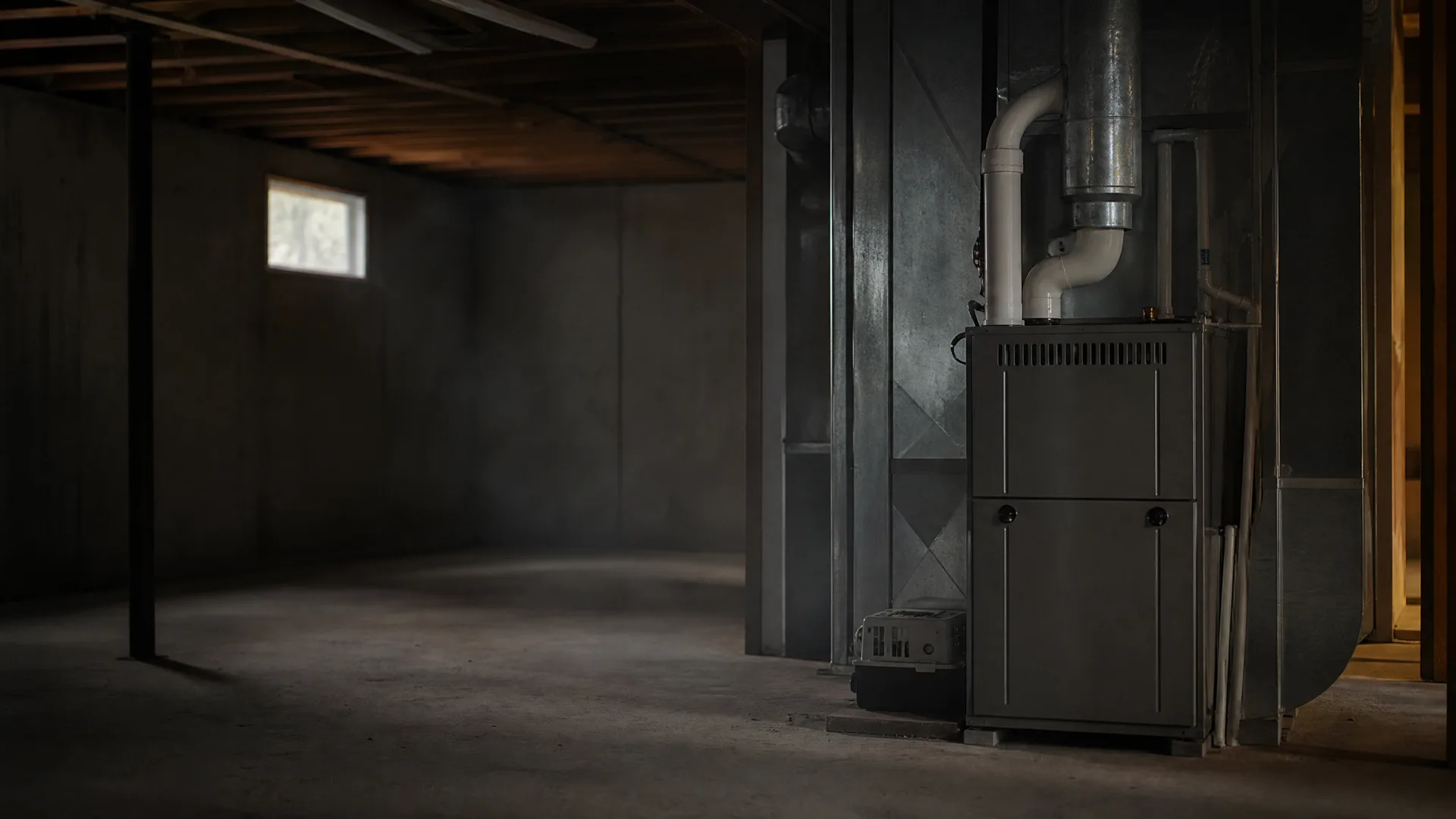
It's a November evening and you're down in the basement because the house hasn't warmed up. The furnace sits there dark, quiet in a way it shouldn't be. You crack the cabinet and there's a thin haze of dust hanging in the air near the burners, the kind that only shows up when something's been running rough. No click, no flame. You already know what it is because you just put in a new ignitor last year. California power costs enough that you've been watching this furnace closer than you used to, and tonight it's not answering at all.
Why does your furnace keep needing a new ignitor
You've probably noticed the pattern by now. The furnace runs fine for a while, then one cold morning it won't light at all, and the repair turns out to be the same part again. You might hear it clicking and trying to catch without success, or notice the burners never catch and the house stays cold longer than it should. Some homeowners catch a faint burning smell the first time it happens, then nothing. If the furnace keeps shutting off before the house warms up, that's extra strain on the ignitor every single time it tries to start, and it's also extra strain on the gas valve and blower that are cycling right along with it.
1
Thermostat calls for heat and the control board wakes up.
2
Inducer motor spins to clear the heat exchanger of air.
3
Pressure switch confirms draft before the board arms the igniter.
4
Igniter heats to about 2,500 degrees in under a minute.
Get the right pro for your furnace
After you send the request, you're done searching.
Describe your furnace job, and a local pro who handles it gets in touch.
Nights here average 40°F across December, January and February, so your furnace isn't running a few deep-cold weeks and then resting. It's cycling on most nights all winter. That steady workload is exactly what wears an ignitor out faster when something else is already off.
NOAA nClimDiv 1991-2020 county normals weighted by homes
Running the way it should
This furnace lights, heats, and shuts off without drama. The ignitor glows once per cycle, the burners catch clean, and the cabinet stays dry. Gas and electrical connections sit undisturbed behind it. Nothing here is working harder than it has to, which is why the ignitor can last years.
Wearing out ahead of schedule
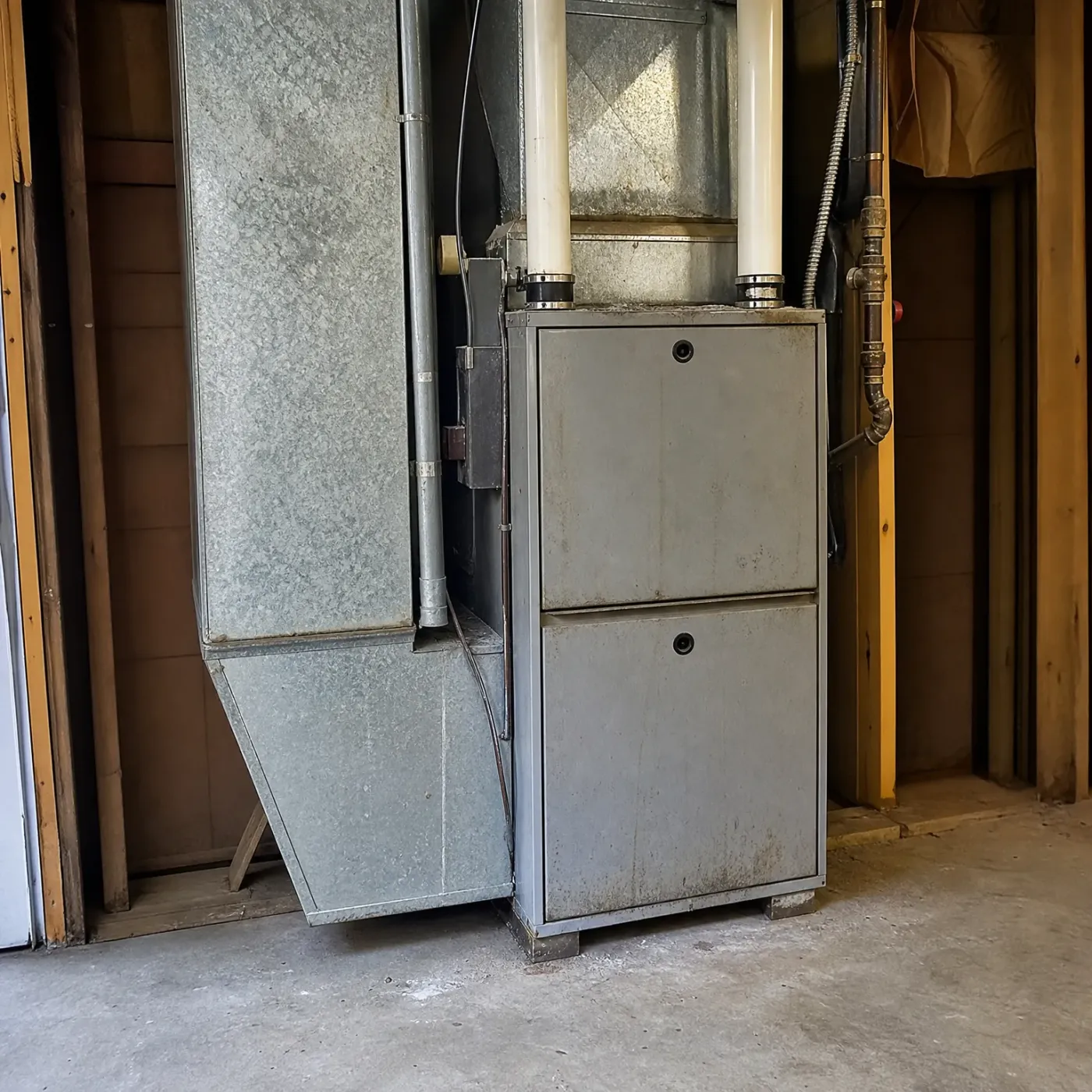
Dust has built up across the front vents, and the cabinet shows its age. A furnace in this condition is often cycling more than it should, or pulling dirty air across the ignitor every time it fires. Either one shortens the part's life well before it should need replacing again.
What the pattern tells you
A furnace ignitor that fails every season or two is reacting to airflow, venting, or a control board issue, not wearing out on its own.
Nights here average 40°F across December, January, and February, so the furnace cycles on most nights all winter instead of a few cold weeks.
Short-cycling and a damp or poorly sealed cabinet both put extra strain on an ignitor that a normal cycle wouldn't.
Once the real cause is found, replacing the ignitor again without fixing it just means buying the same part a third time.
A licensed contractor can trace the pattern back to its source and stop the repeat failures instead of resetting the clock on another ignitor.
Sending the form hands the search for the right contractor off your plate, so the next call you get is already matched to your furnace.
A furnace that burns through ignitors isn't unlucky. It's responding to something that happens every time it fires, whether that's a pressure switch issue, a cracked heat exchanger triggering shutdowns, a cabinet that stays damp, or a control board sending more voltage than the part can take. The ignitor is just the piece that gives out first and fastest, since it's the most fragile thing in the sequence. Replacing it on its own, again, fixes nothing. It just buys a few more weeks before the same failure shows up, because the thing stressing the part is still there, cycling right along with the furnace on every cold night from December through February.
A licensed contractor who sees this pattern knows to stop looking at the ignitor and start looking at what's happening around it. That means checking draft, checking for rust or corrosion that points to moisture, checking the board's output, checking how long the burners actually run before shutoff. That's diagnostic work, not a parts swap, and it's the only way the next ignitor outlasts the last one.
You don't have to track down who does that kind of work. Send the form and the search is off your hands. What comes back is a contractor already matched to a furnace with this exact history, ready to look at the cause instead of the symptom again.
Furnace Repair
A pro who works on furnaces
Step 1 of 3: Equipment
A local pro who knows furnaces gets your details and gets in touch.
Send the request and finding a pro stops being your problem.
After this form, you can stop searching for a furnace pro.
Fill out one short form instead of calling around.
Explain the job once and skip repeating it on every call.
The pro who reaches out is licensed in California.
Only one pro gets your request, so you hear from one company.