Why your house is dry with the heat on in California
Once you send the form, finding a pro is off your list.
Your furnace isn't adding dry air to your house. It's just running longer than you think, and that air was already dry to begin with. Natural gas heat doesn't add moisture the way a kettle or a pot on the stove would, so every hour the furnace runs, the air inside just keeps losing what little moisture it had.
In most of California, winter air coming in from outside is already low in humidity. Once your furnace warms it, the relative humidity drops further, because warm air can hold more moisture than cold air holds. So the same air that felt fine at 50 degrees outside feels parched at 70 degrees inside.
This isn't a sign anything is broken. But a furnace that's working harder than it should, because of a dirty filter, a cracked heat exchanger, or ducts leaking warm air into the attic, runs longer to hit the same temperature. Longer run times mean more hours of that moisture-pulling effect. A furnace that's maintained and running efficiently cycles on, does its job, and shuts off.
If your furnace hasn't been looked at this season, a maintenance visit is where this gets checked. A local contractor who services this kind of equipment every winter knows what tends to wear on it after a few years and what usually gets overlooked, things that run up your power bill in a state where every kilowatt-hour already costs more than most of the country.
Send the form below and the search is off your plate. You won't be fielding calls from a handful of companies trying to win the job. One licensed contractor near you picks it up, and from there it's theirs to handle.
Why is my house so dry when the heat is on?
California winters don't feel brutally cold the way they do elsewhere, so it's strange when your skin cracks, your nose feels raw, and static shocks you every time you touch a doorknob. The furnace just switched on for the season and now the whole house feels parched. It seems like the heat itself is doing this, and you want to know if that's really what's happening or if something's wrong.
Cold outside air holds very little moisture, and your furnace is heating that same air
Cold air can't hold much water vapor to begin with. When your furnace pulls in that air and heats it, the relative humidity drops even lower, because warm air can hold more moisture than it actually has. Nothing is removing water from your house. The air was already dry before it hit the burner. In much of California, winter nights drop enough to dry the air out this way, and a furnace that runs for hours at a stretch just keeps circulating that same dry air through every room. The longer the furnace runs, the more that dryness shows up as cracked skin, static, and a scratchy throat, especially if the house is sealed up tight to keep the heat in.
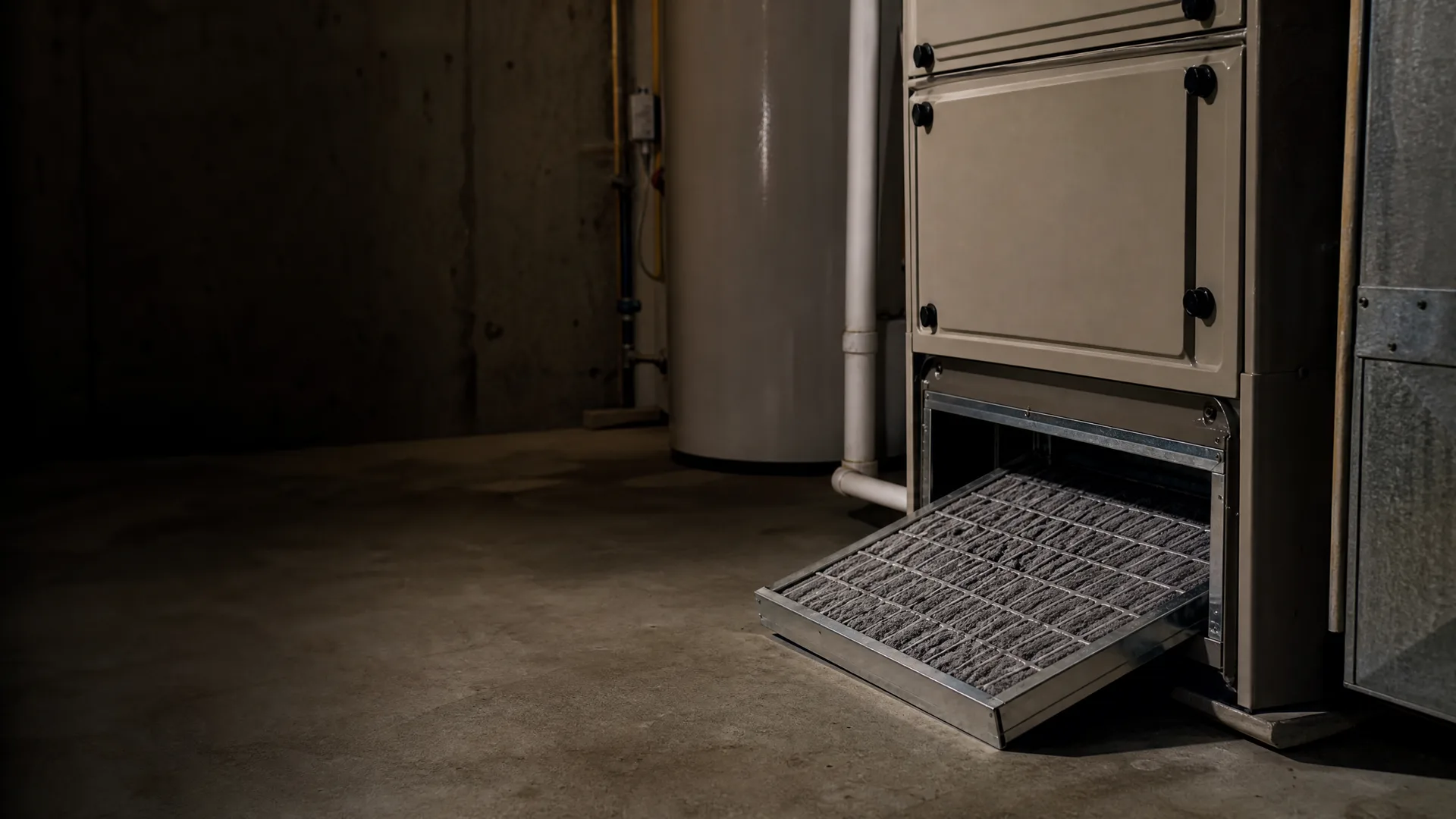
You pull the filter out on a Saturday afternoon in October, the light still warm enough that you had the window open that morning. The furnace closet door is open, the filter half slid from its slot, and the pleats are grey all the way through. You hold it up to the bulb overhead and can't see light through most of it. Your hands feel tight and dry just from the dust on them. The furnace clicks on behind you, the same sound it's made every winter, and you notice how dry the air feels coming off it, same as it did last year when you forgot to check this until January.
A furnace that's grimy inside or short on airflow runs longer to push out the same heat, and longer runs mean more dry air moving through your house. That's the part a yearly check can actually change. Someone who services furnaces in your area all winter knows which models in these houses clog fast, which blower wheels get dusty enough to slow the airflow, which flame sensors drift out of spec and make the burner cycle wrong. None of that shows up by looking at a thermostat setting. It shows up when someone opens the cabinet and checks it. Send the request and it goes to one local contractor, not a handful competing for your callback, someone who already knows what tends to go wrong in furnaces like yours. From there it's off your plate. You stop guessing at why your throat feels raw every January and let someone who does this every day tell you what your furnace is actually doing.
A furnace doesn't push a steady stream of air. It cycles. The thermostat calls for heat, the burners light, the blower kicks on a few seconds later once the heat exchanger has warmed up, and it runs until the air hits your set temperature, then it shuts off. Each of those cycles pulls the same dry air through the house again and again. The air itself doesn't get drier from being heated, it just feels drier, because warm air can hold more moisture than cold air can, so the same amount of water vapor spread through warmer air reads as a lower percentage on a hygrometer. That's relative humidity, and it's why a house can sit at 20 percent indoors in January while the outdoor air reads twice that. The blower doesn't know any of this. It just runs on a timer set by the thermostat's call and a fan limit switch that decides how long it keeps circulating after the burners cut off. The longer that cycle runs, the more passes that dry air makes through every room in the house.
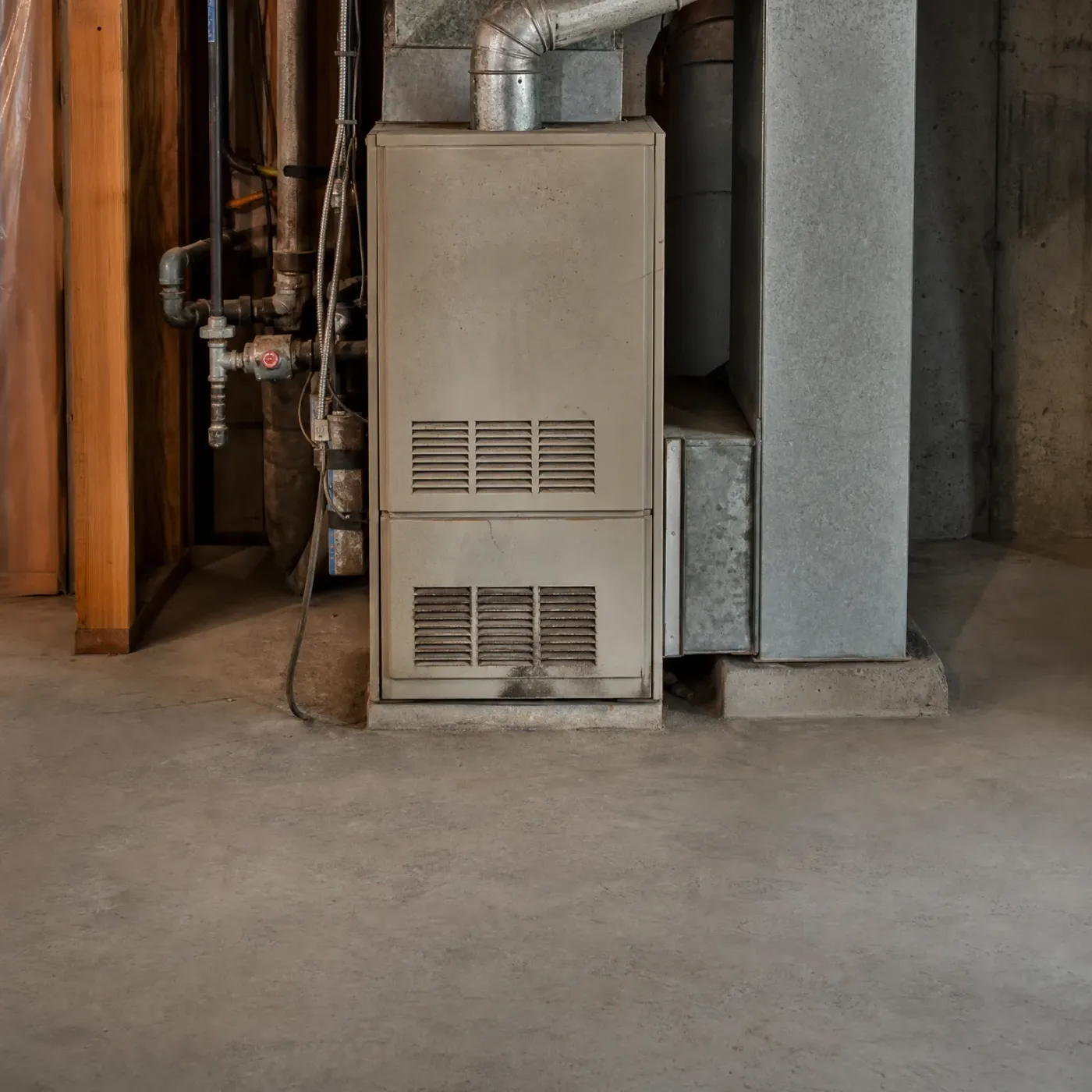
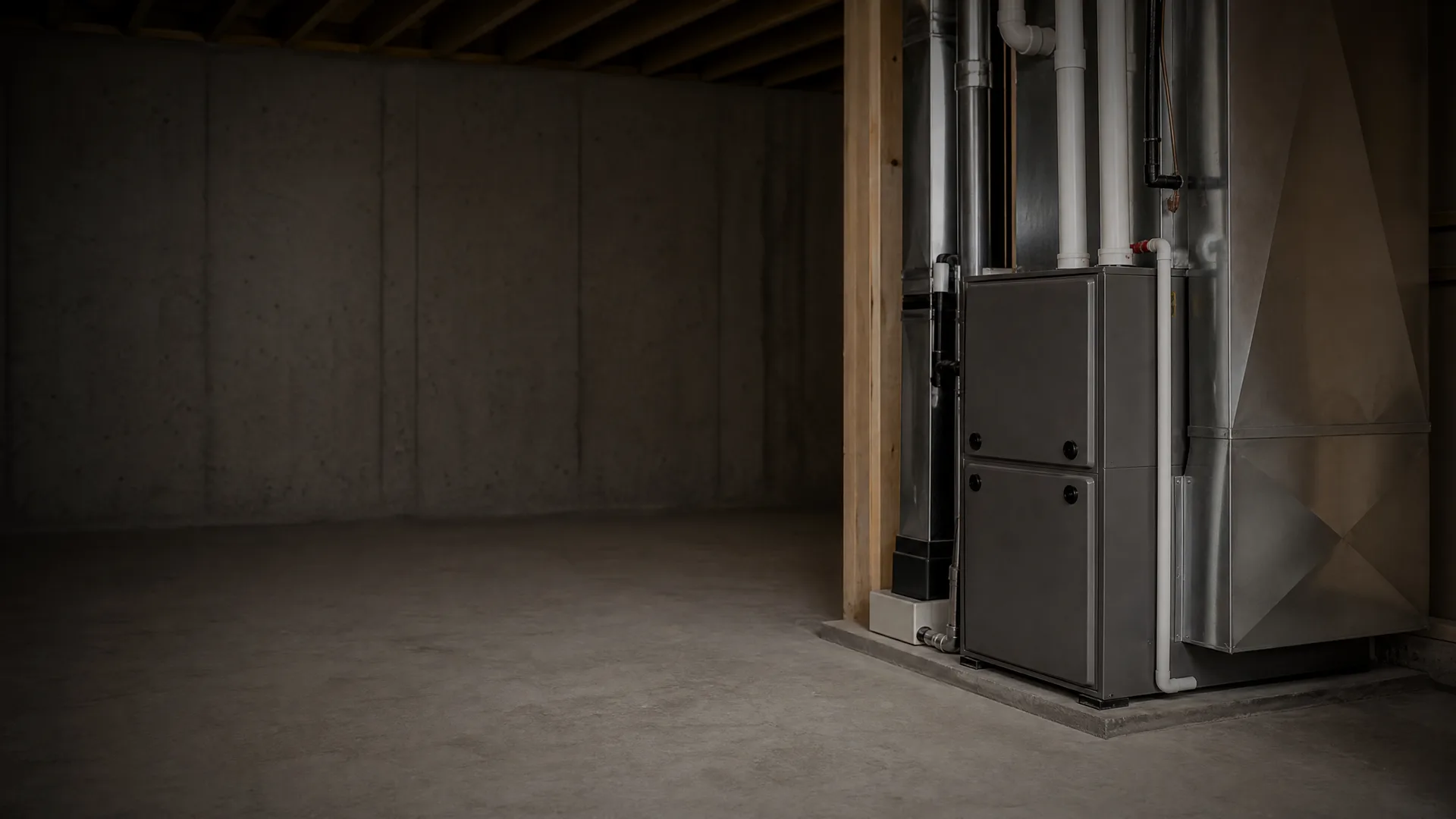
Before you get your furnace maintenanceAfter you get your furnace maintenance
Furnace running clean
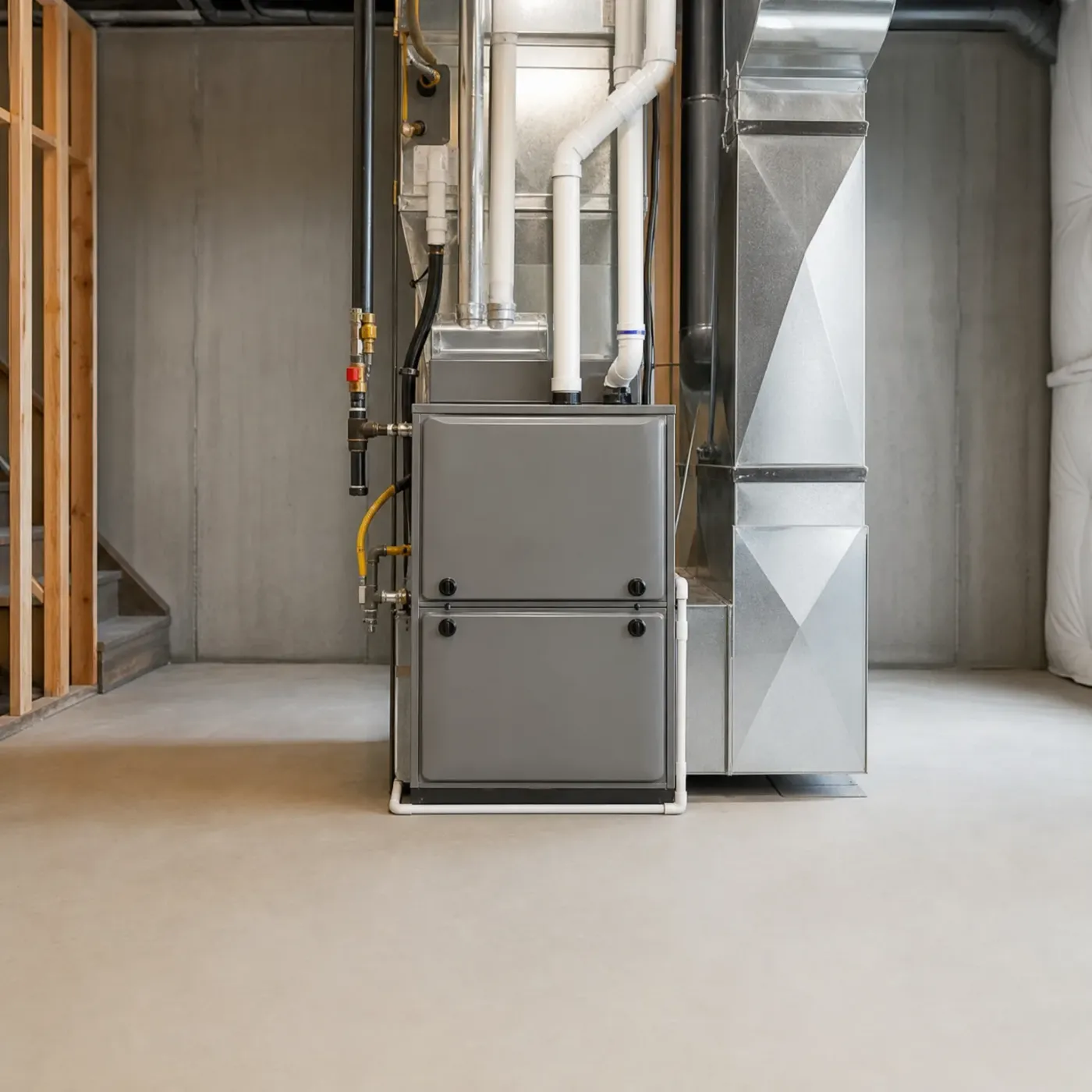
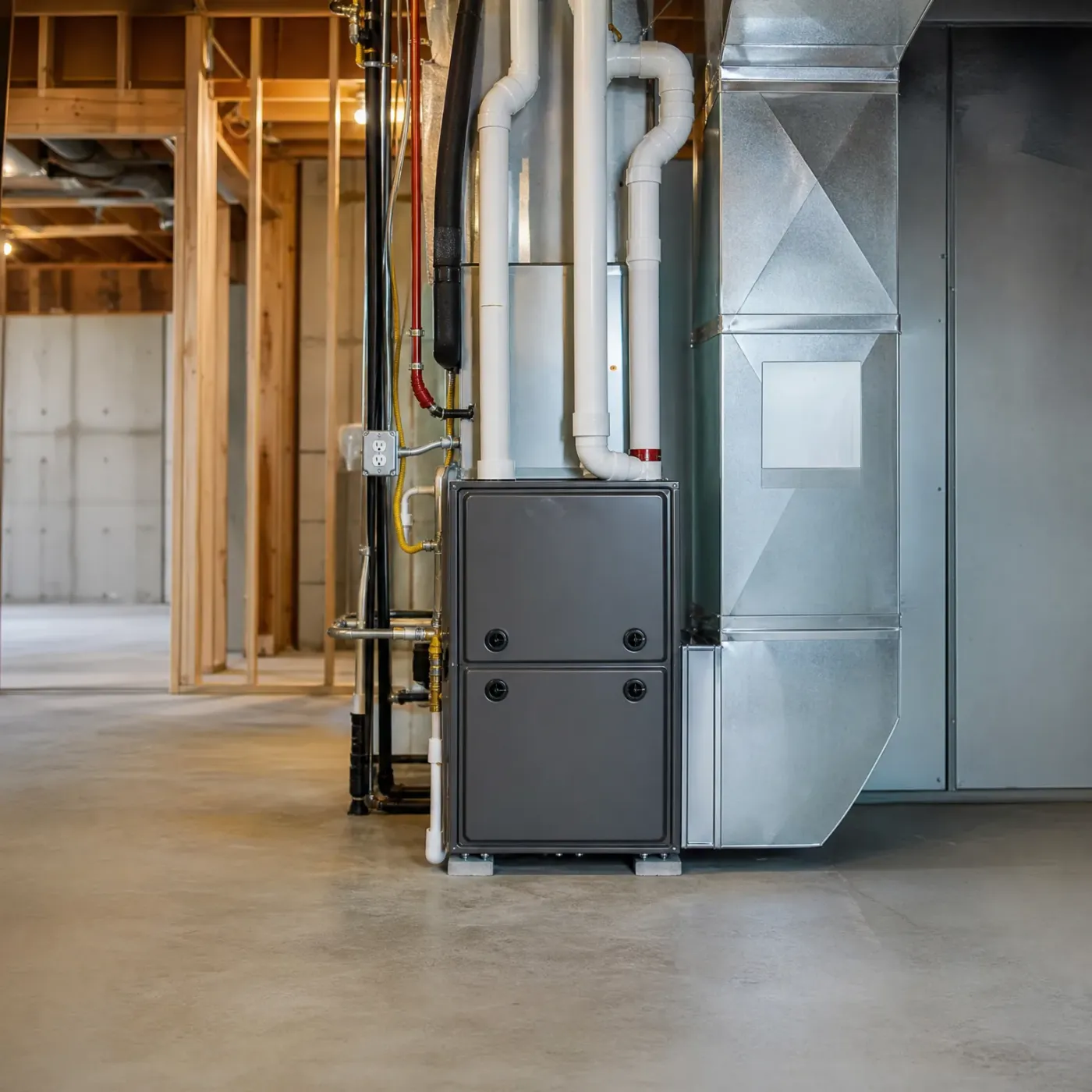
Air moves through the ductwork fast, the burners shut off as soon as the house hits temperature, and the blower stops with them. Shorter runs mean less dry air pushed through your rooms over the course of a day. The filter is doing its job, so the furnace isn't working harder than the thermostat is asking it to.
Furnace running dirty
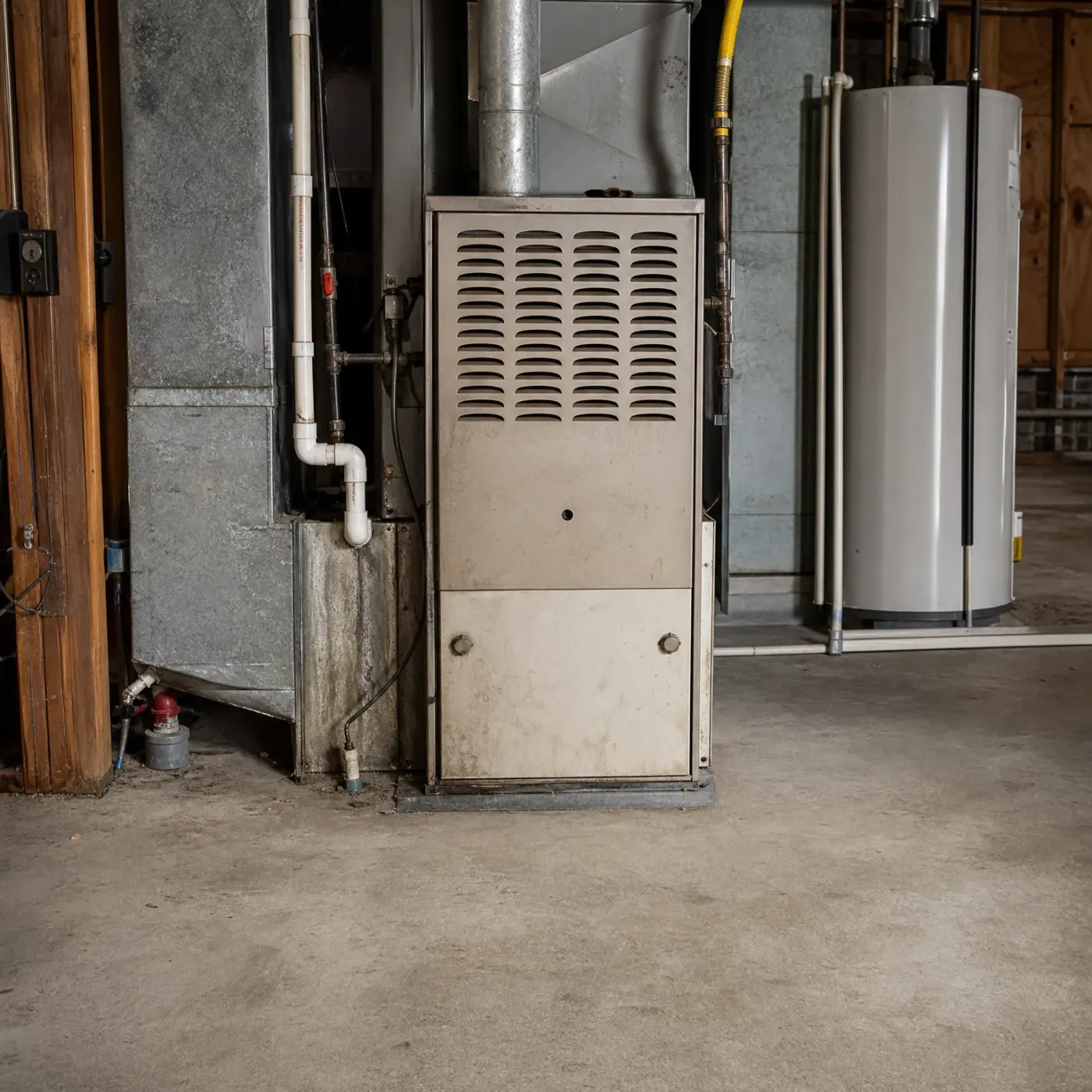
A clogged filter or a dusty blower wheel cuts the airflow, so the furnace takes longer to reach the same set temperature. Longer runs push more dry air through the house and cost more in gas and electricity to do it. The strain also wears on the parts that make the heat in the first place.
Winter nights average 40°F statewide
Nights here average 40°F in December, January and February, not cold enough to need the furnace running hard all night. If yours still runs long stretches to hold a room temperature, that's airflow, not the weather, and it's exactly what a yearly check catches.
NOAA nClimDiv 1991-2020 county normals weighted by homes
What a yearly check changes
Your furnace isn't the source of the dry air, but a dirty or clogged one makes it worse by running longer than it needs to.
Shorter burner cycles mean less dry air pushed through your rooms over the course of a day.
A furnace that's clean and pulling full airflow shuts off as soon as the house hits temperature, instead of dragging on.
A tech who services furnaces in your area every winter knows which parts tend to restrict airflow first in homes like yours.
One local, licensed contractor handles the visit, so you're not fielding calls from a handful of different companies.
The dryness was already there in the air outside, but how long your furnace runs decides how much of it you feel indoors.
The dryness in your house starts outside. Nothing a furnace does will change what the air was like before it came in through the return. What a furnace controls is how long it runs, and that's the part worth paying attention to. A unit pulling full airflow through a clean filter hits your set temperature and shuts off. One that's restricted somewhere, a dirty filter, a blower not moving the air it should, keeps the burners going longer to get the same result, and every extra minute is more dry air moving through your rooms.
That's the whole case for having someone look at it once a year instead of waiting for a problem to show up on its own. A tech who works on furnaces in your area all winter has seen what usually restricts airflow first in homes around here, and knows where to check before it turns into a longer run time you notice in your skin and your sinuses. You'd get one contractor for the visit, local and licensed, so it's a single appointment rather than a string of calls from companies you don't know.
None of this makes California winter air less dry. It decides how much of that dryness ends up inside your house, hour after hour, every time the furnace cycles on.
Finding a pro stops being your job
The pro who reaches out is licensed in California.