Tell us about the job
Takes about a minute. No obligation.
Sizing a furnace for Kern County starts with what the burner is actually being asked to carry. Homes in Kern County, CA run heat about six months a year, from November through April. A system that runs through that full stretch cycles its heat exchanger, igniter, and burner assembly repeatedly, and undersizing shows up in those parts first. A contractor working a quote here has to run a proper load calculation before settling on equipment, because a unit that is too small short-cycles, and a unit that is too large never reaches steady combustion. Either way, the heat exchanger pays the price.
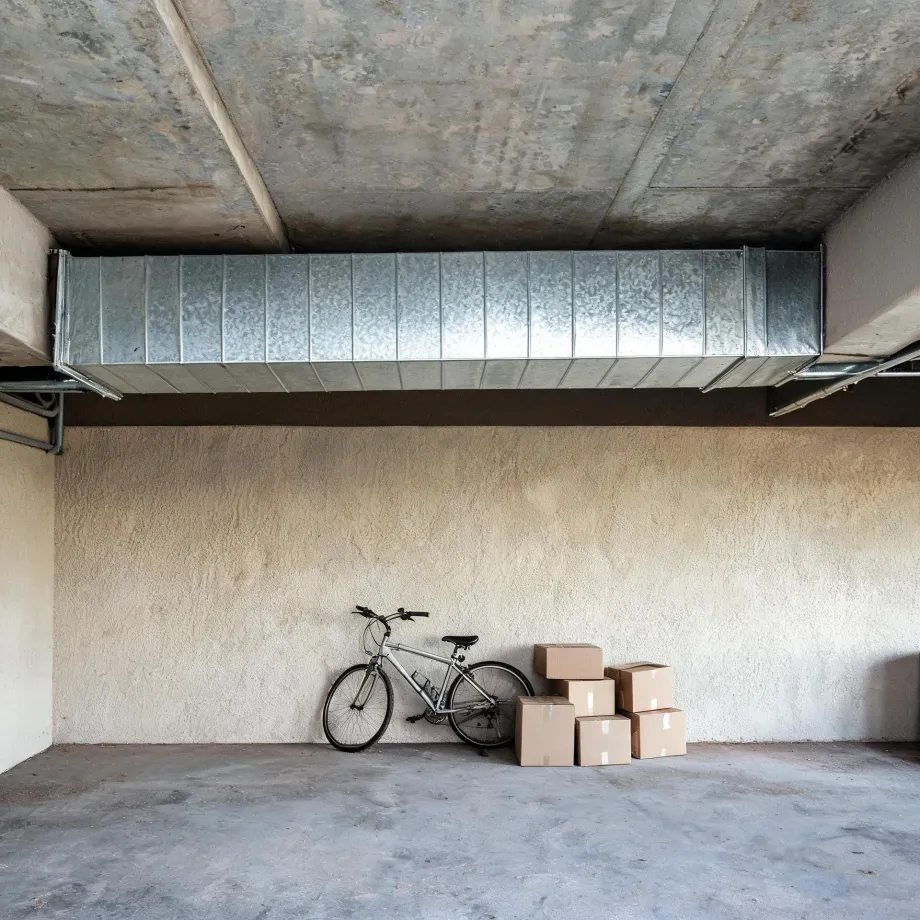
Existing ductwork is what a furnace installation turns on in much of Kern County's housing stock. Half the homes in Kern County, California were built in 1984 or earlier (2020-2024 ACS 5-year). Ducts laid in for the equipment of that era were sized around it, and a new furnace draws and distributes differently enough that a contractor has to open registers, check trunk dimensions, and confirm the system will actually move air the way the new unit expects before the install can proceed. The electrical side gets the same look. What a contractor finds in those two places is what sets the scope.
What Gets Installed With a New Furnace
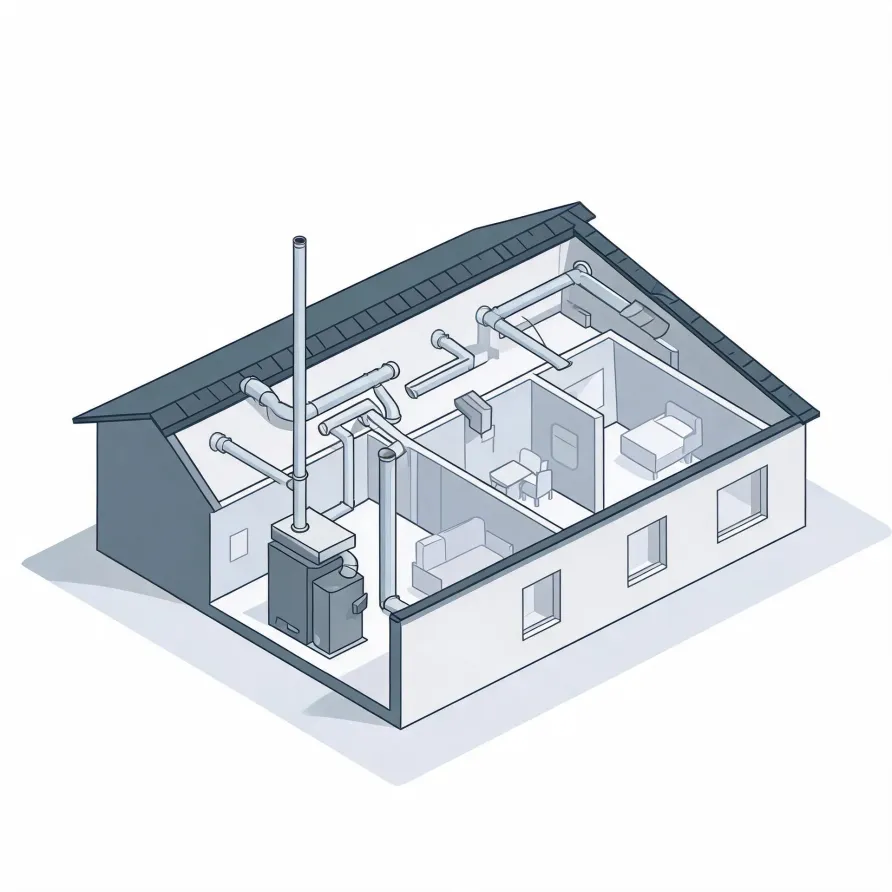
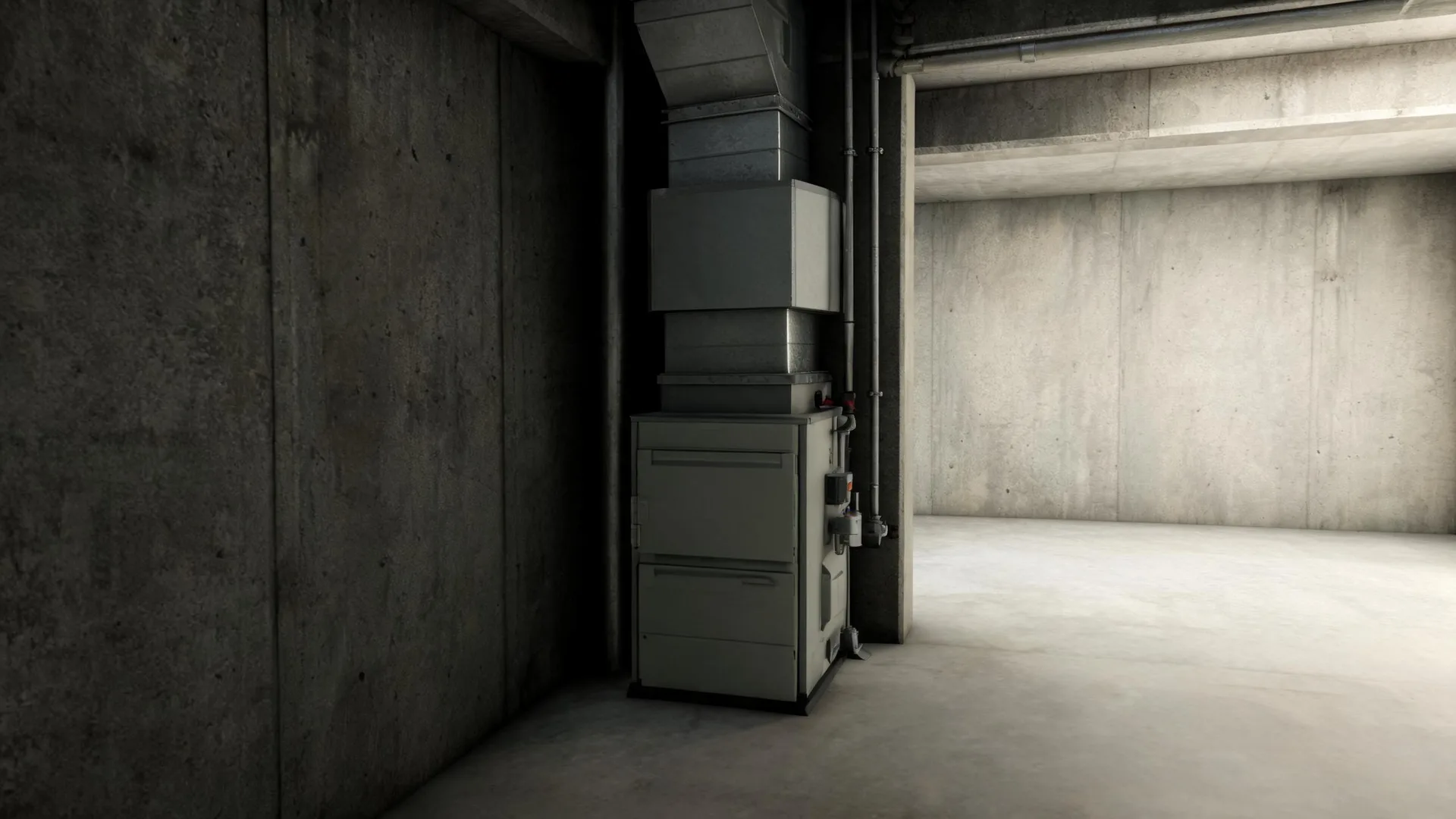
The furnace itself sits in a utility closet, basement, or garage and is the heart of what a contractor brings in. Inside the cabinet are the burners, the heat exchanger, and the blower motor. Each of those is a discrete component that gets selected, positioned, and connected before the system runs.
The flue pipe runs from the furnace to an exterior wall or roofline and carries combustion gases out of the house. Alongside it, the contractor sets the thermostat on an interior wall and runs the low-voltage wiring that tells the furnace when to fire.
The drawing shows the general layout of these components, and a licensed contractor determines exactly how each one is configured for your house.
Find a contractor in Kern CountyKern County, by the numbers
777 severe weather events were recorded in Kern County, California between 2015 and 2024.
NOAA National Centers for Environmental Information, Storm Events Database, bulk CSV export, events 2015-01-01 through 2024-12-31.Half the homes in Kern County, California were built in 1984 or earlier (2020-2024 ACS 5-year).
U.S. Census Bureau, 2020-2024 American Community Survey 5-Year EstimatesKern County, California holds 306,999 housing units (2020-2024 ACS 5-year).
U.S. Census Bureau, 2020-2024 American Community Survey 5-Year EstimatesOwners occupy 60.1% of the occupied homes in Kern County, California (2020-2024 ACS 5-year).
U.S. Census Bureau, 2020-2024 American Community Survey 5-Year EstimatesFurnace Installation Rules on the Books for Kern County, California5 codes, standards & laws
What the installation actually looks like
Non-weatherized gas furnaces manufactured on or after November 19, 2015 must reach 80.0 percent AFUE.
Non-weatherized oil-fired furnaces manufactured on or after November 19, 2015 must reach 83.0 percent AFUE.
Mobile home gas furnaces manufactured on or after November 19, 2015 must reach 80.0 percent AFUE.
Non-weatherized gas furnaces manufactured on or after December 18, 2028 must reach 95.0 percent AFUE, up from the 80.0 percent minimum that applies to units manufactured before that date.
Licensing and Legal Requirements in Kern County, California
California requires a state contractor license: it is a misdemeanour to engage in the business of, or act in the capacity of, a contractor in California without one, unless the work is exempt.
Severe Weather Events in Kern County
Weather puts real demands on heating equipment, and those demands vary by location. A furnace sized and installed for local conditions holds up differently than one spec'd without that context.
777 severe weather events, 2015–2024. Source: NOAA National Centers for Environmental Information, Storm Events Database.