Tell us about the job
Takes about a minute. No obligation.
Sizing a furnace for this house is a local calculation, not a catalog lookup. Homes in Santa Barbara County, CA run heat about seven months a year, from November through May. The burner and heat exchanger cycle through almost the entire calendar, which means a unit that was not matched to the actual load starts accumulating wear sooner than the homeowner expects. A contractor working a new installation here has to account for that demand before committing to equipment, because an undersized system will short-cycle through a long season rather than fail cleanly on a single cold night. The ductwork, the heat exchanger gauge, and the flue path all get specified against that reality.
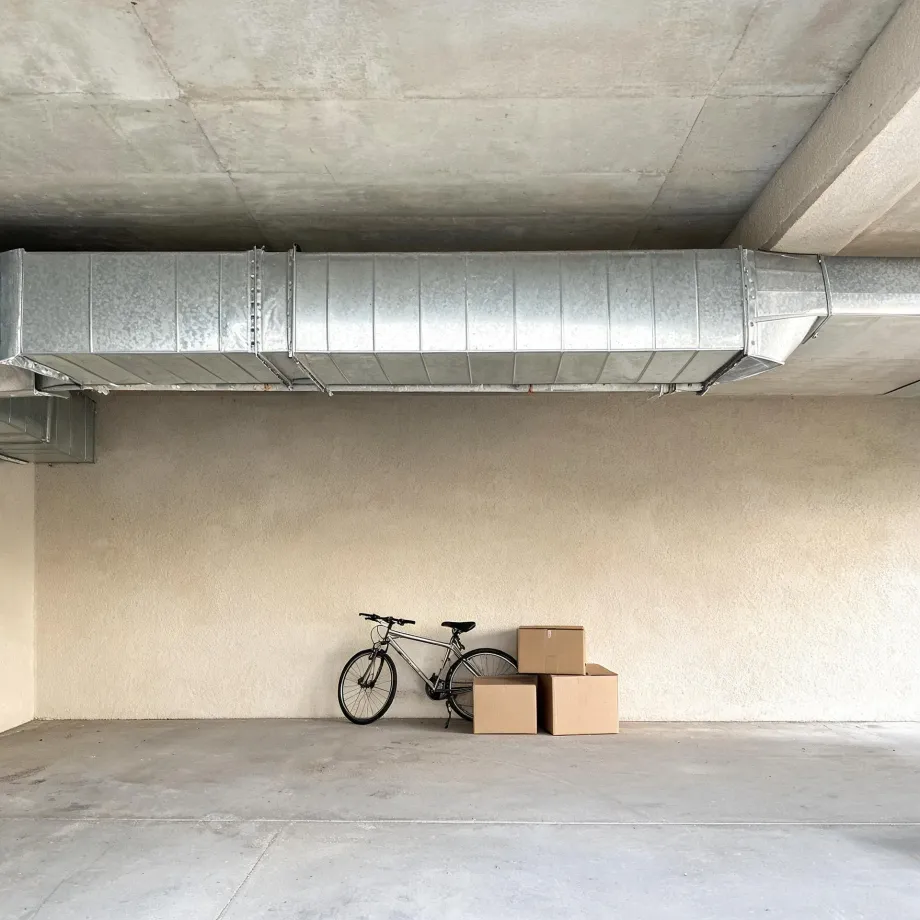
Older ductwork shapes a furnace installation before the new unit is even selected. Half the homes in Santa Barbara County, California were built in 1974 or earlier (2020-2024 ACS 5-year). That depth of housing stock means the ducts in a typical house here were designed around equipment that has since been replaced at least once, and the layout, sizing, and condition of those runs reflects decisions made for an earlier system. A contractor pricing a new furnace has to assess whether the existing ductwork moves air in a way that matches what the new unit needs, and where it does not, the duct work becomes part of the job. The electrical service gets the same check.
What Gets Installed With a New Furnace
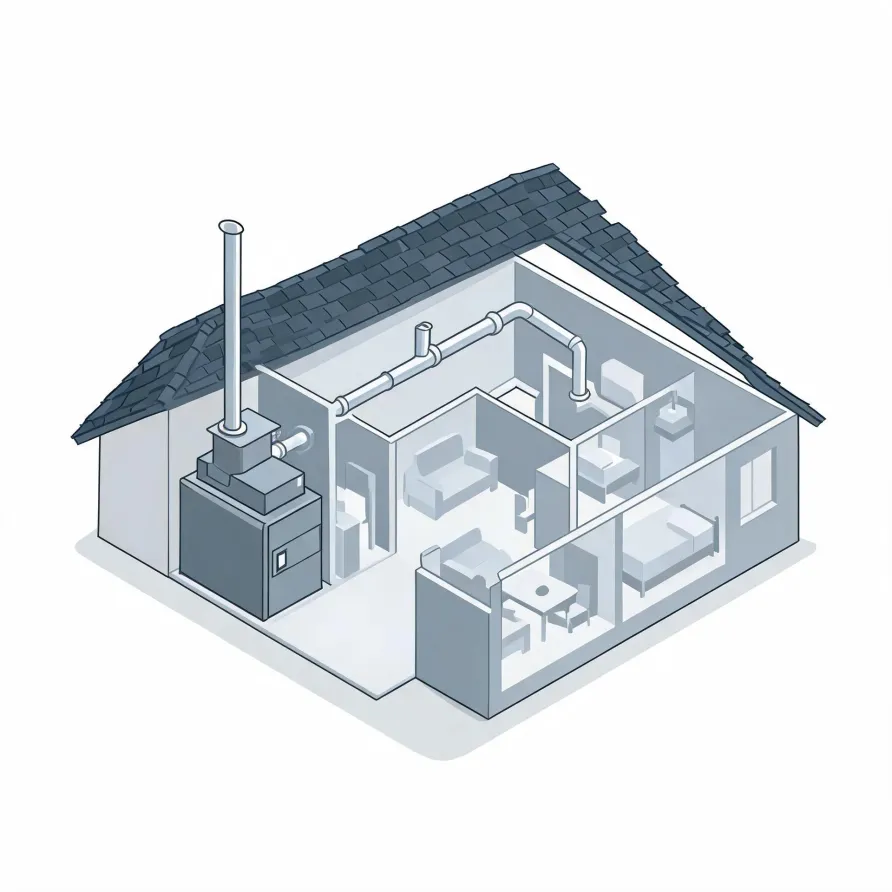
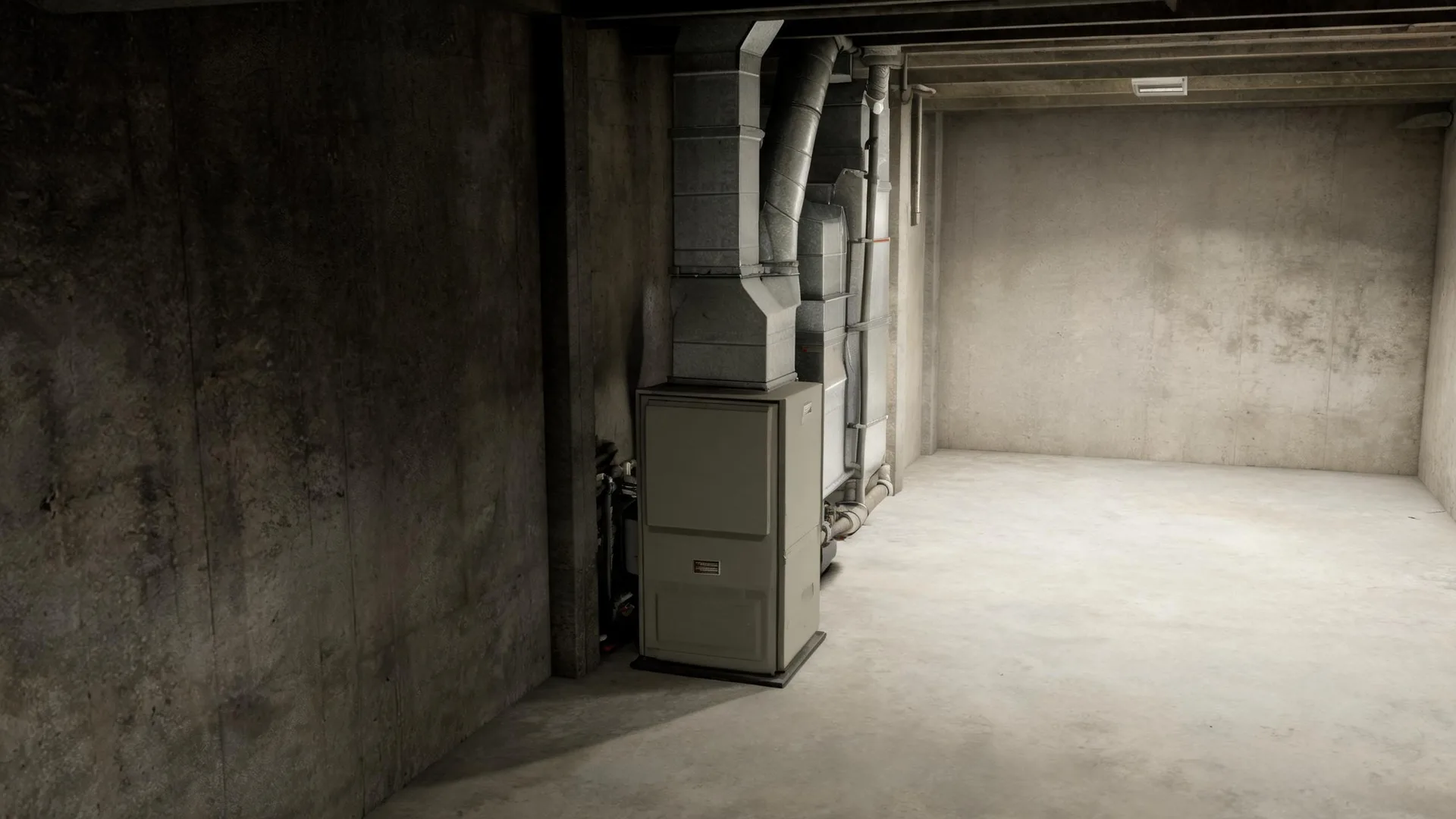
The furnace itself sits inside the house, most often in a utility closet, basement, or garage. It holds the burner assembly, the heat exchanger, and the blower in a single cabinet. The burner draws fuel and produces heat; the heat exchanger keeps combustion gases separate from the air your family breathes; the blower pushes conditioned air out toward the rest of the house.
A flue pipe runs from the furnace cabinet to an exterior vent, carrying combustion exhaust safely out of the living space. The air handler and the thermostat wire into the system as well, with the thermostat mounted on an interior wall where it reads the temperature of the occupied space and tells the furnace when to fire.
The drawing shows a representative layout, and a licensed contractor determines exactly which components and configurations apply to your home.
Find a contractor in Santa Barbara CountySanta Barbara County, by the numbers
36 severe weather events were recorded in Santa Barbara County, California between 2015 and 2024.
NOAA National Centers for Environmental Information, Storm Events Database, bulk CSV export, events 2015-01-01 through 2024-12-31.Half the homes in Santa Barbara County, California were built in 1974 or earlier (2020-2024 ACS 5-year).
U.S. Census Bureau, 2020-2024 American Community Survey 5-Year EstimatesSanta Barbara County, California holds 160,592 housing units (2020-2024 ACS 5-year).
U.S. Census Bureau, 2020-2024 American Community Survey 5-Year EstimatesOwners occupy 52.4% of the occupied homes in Santa Barbara County, California (2020-2024 ACS 5-year).
U.S. Census Bureau, 2020-2024 American Community Survey 5-Year EstimatesCodes & Standards Behind Furnace Installation in Santa Barbara County, California5 sourced rules & standards
What the installation actually looks like
Non-weatherized gas furnaces manufactured on or after November 19, 2015 must reach 80.0 percent AFUE.
Non-weatherized oil-fired furnaces manufactured on or after November 19, 2015 must reach 83.0 percent AFUE.
Mobile home gas furnaces manufactured on or after November 19, 2015 must reach 80.0 percent AFUE.
Non-weatherized gas furnaces manufactured on or after December 18, 2028 must reach 95.0 percent AFUE, up from the 80.0 percent minimum that applies to units manufactured before that date.
Licensing Rules for HVAC Work in Santa Barbara County, California
California requires a state contractor license: it is a misdemeanour to engage in the business of, or act in the capacity of, a contractor in California without one, unless the work is exempt.
Severe Weather Events in Santa Barbara County
Weather puts real demands on heating equipment, and those demands vary by location. What the climate does in Santa Barbara County shapes how hard a furnace has to work and what kind of installation holds up over time.
36 severe weather events, 2017–2024. Source: NOAA National Centers for Environmental Information, Storm Events Database.