Tell us about the job
Takes about a minute. No obligation.
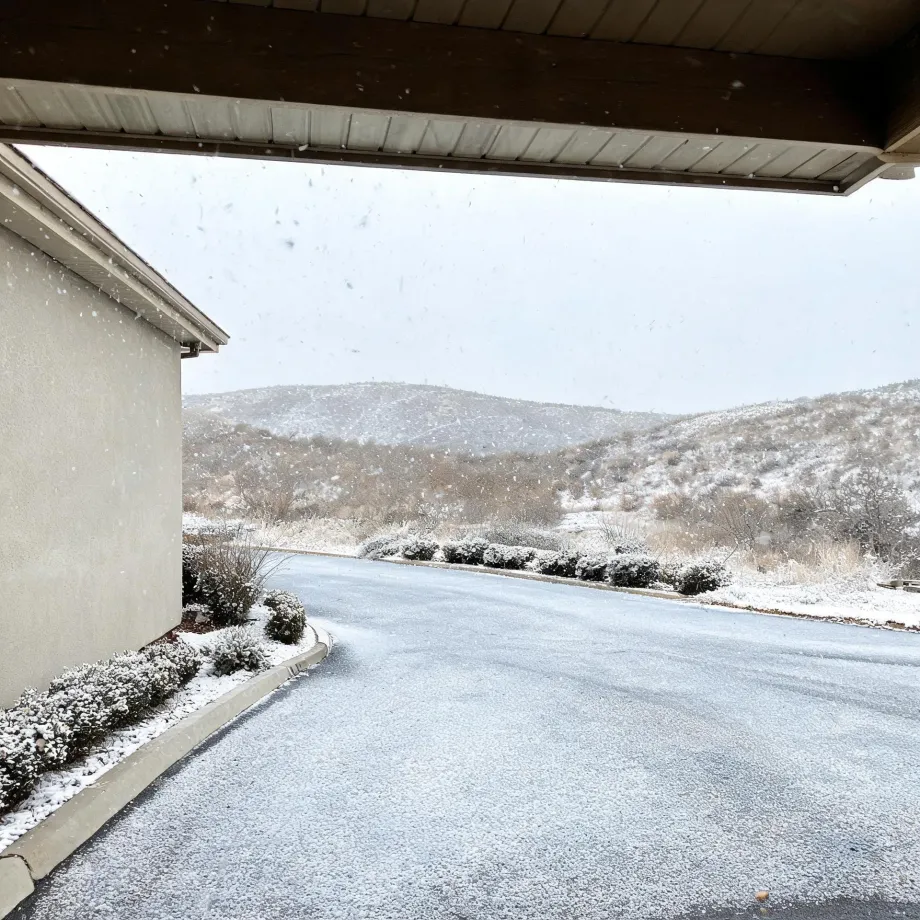
Size and installation quality on a furnace matter more here than a contractor quoting from a catalog might suggest. Homes in Solano County, CA run heat about six months a year, from November through April. The burner and heat exchanger cycle through that load repeatedly, and a unit that was undersized at installation or sealed poorly around its connections starts degrading where the cycling is hardest: at the igniter, at the heat exchanger joints, at the flue connections. A contractor quoting a replacement has to establish the right output for this county's demand before anything else on the job makes sense.
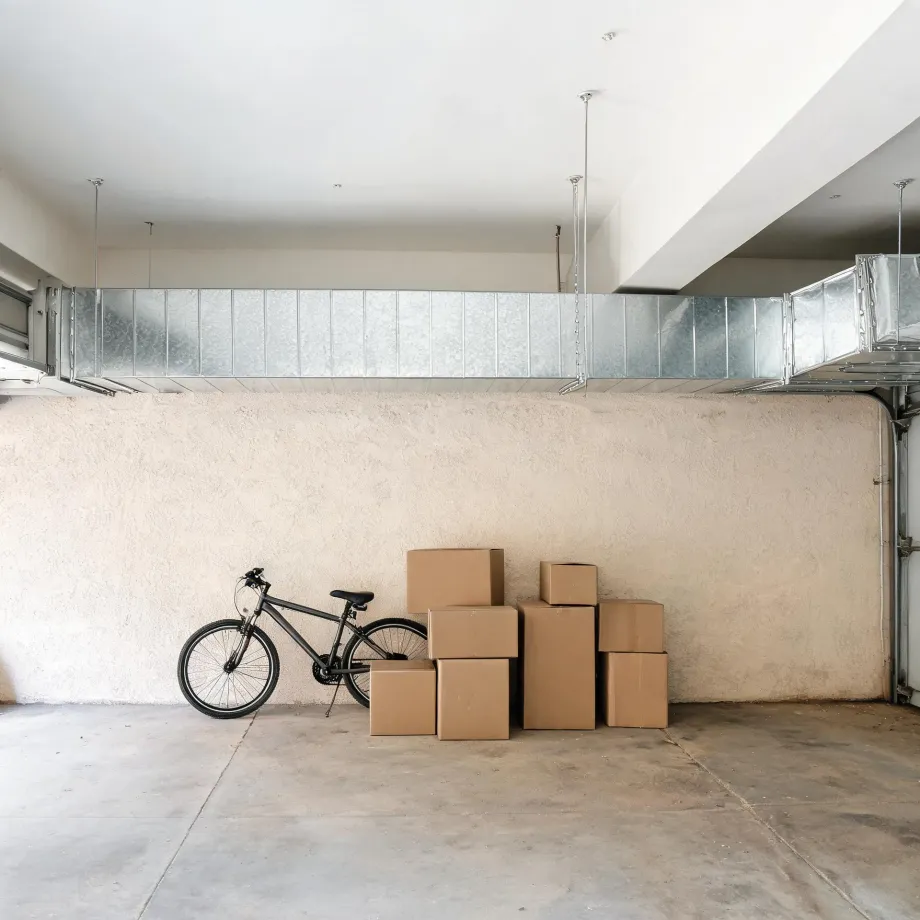
Ductwork laid in for a furnace that has since been replaced two or three times over does not automatically suit what a contractor drops in today. The routing, the sizing, the connection points all reflect decisions made for a different system. Half the homes in Solano County, California were built in 1982 or earlier (2020-2024 ACS 5-year). A contractor quoting a furnace replacement here has to assess whether the existing duct system will carry the new unit's output, and that assessment shapes the job before the equipment is ever priced.
What Gets Installed With a New Furnace
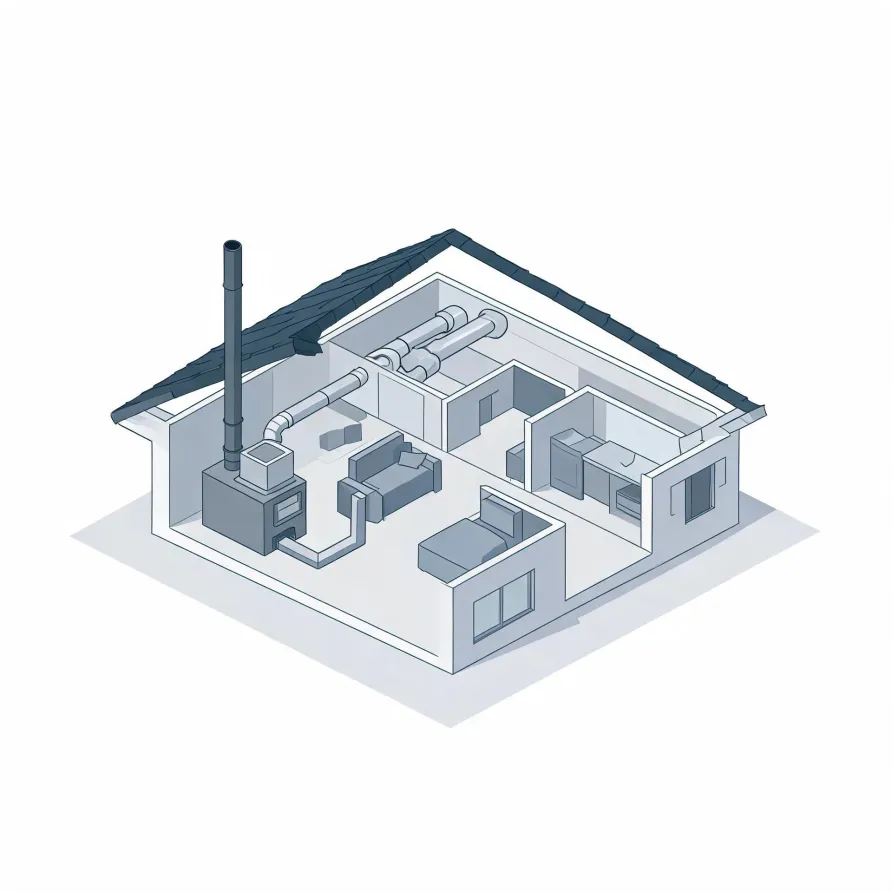
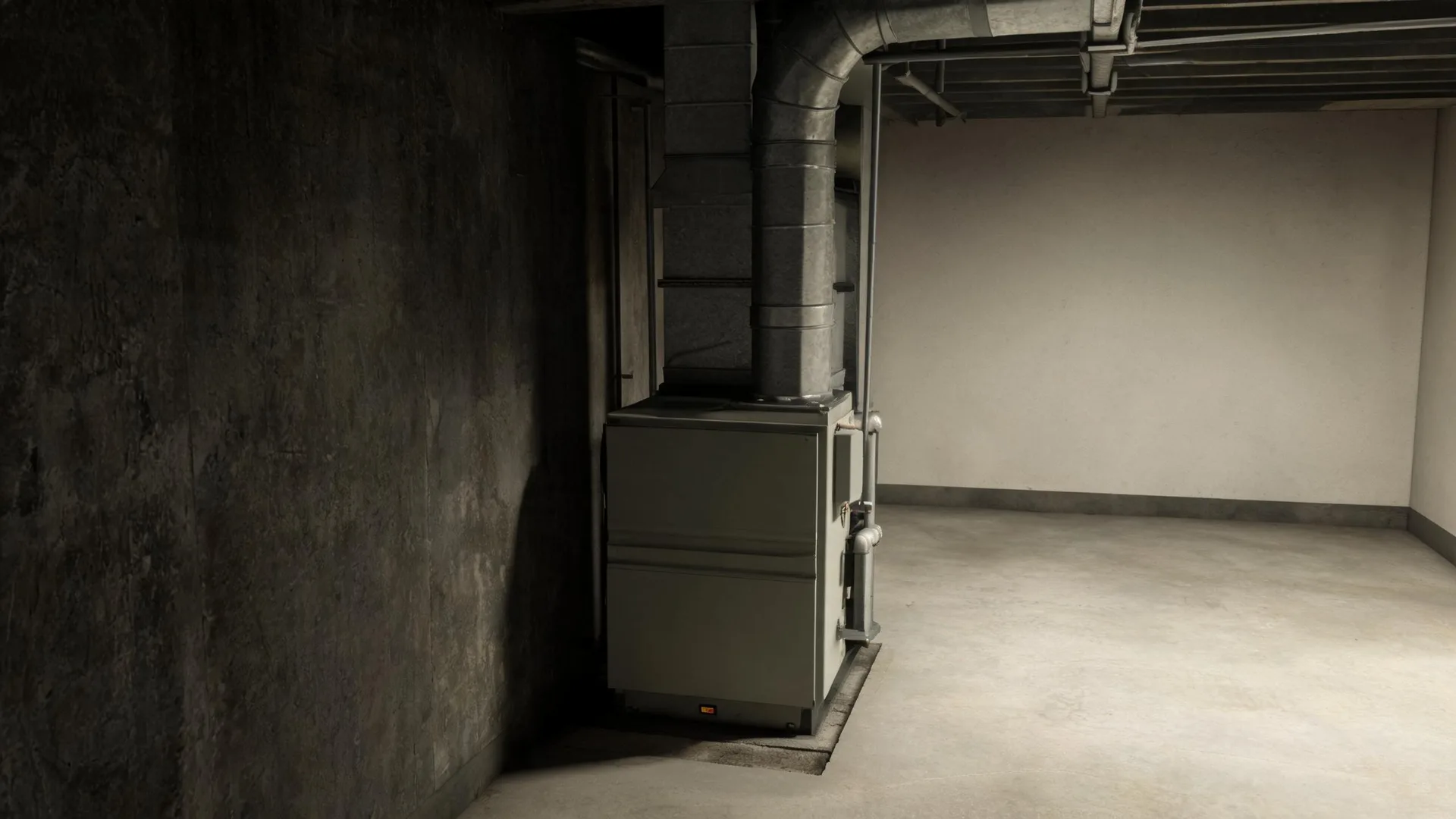
The furnace itself sits in a utility room, basement, or garage and is the box that produces heat. A burner assembly inside it ignites the fuel, and a heat exchanger sits directly above that, transferring warmth into the air stream. The blower motor, housed in the lower cabinet, pushes that air out through the supply side.
The flue pipe runs from the furnace cabinet up and out of the house, carrying combustion gases away. Beside the furnace, the contractor also sets the thermostat wiring connection point and fits the filter housing where the return air enters the cabinet before it reaches the blower.
The drawing shows a representative layout, and a licensed contractor determines exactly what applies to your home.
Find a contractor in Solano CountySolano County, by the numbers
53 severe weather events were recorded in Solano County, California between 2015 and 2024.
NOAA National Centers for Environmental Information, Storm Events Database, bulk CSV export, events 2015-01-01 through 2024-12-31.Half the homes in Solano County, California were built in 1982 or earlier (2020-2024 ACS 5-year).
U.S. Census Bureau, 2020-2024 American Community Survey 5-Year EstimatesSolano County, California holds 164,693 housing units (2020-2024 ACS 5-year).
U.S. Census Bureau, 2020-2024 American Community Survey 5-Year EstimatesOwners occupy 63.0% of the occupied homes in Solano County, California (2020-2024 ACS 5-year).
U.S. Census Bureau, 2020-2024 American Community Survey 5-Year EstimatesFurnace Installation Rules for Solano County, California5 codes, standards & licensing rules
What the installation looks like from start to finish
Non-weatherized gas furnaces manufactured on or after November 19, 2015 must reach 80.0 percent AFUE.
Non-weatherized oil-fired furnaces manufactured on or after November 19, 2015 must reach 83.0 percent AFUE.
Mobile home gas furnaces manufactured on or after November 19, 2015 must reach 80.0 percent AFUE.
Non-weatherized gas furnaces manufactured on or after December 18, 2028 must reach 95.0 percent AFUE, up from the 80.0 percent minimum that applies to units manufactured before that date.
Licensing and Legal Requirements for HVAC Installation in Solano County, California
California requires a state contractor license: it is a misdemeanour to engage in the business of, or act in the capacity of, a contractor in California without one, unless the work is exempt.
Weather Events in Solano County That Stress Heating Systems
Extreme weather puts direct demands on furnaces, pushing them harder and longer than mild conditions do. How much strain local weather places on a system is a Solano County question, and it shapes what a properly sized, properly installed furnace needs to handle.
53 severe weather events, 2015–2024. Source: NOAA National Centers for Environmental Information, Storm Events Database.