Tell us about the job
Takes about a minute. No obligation.
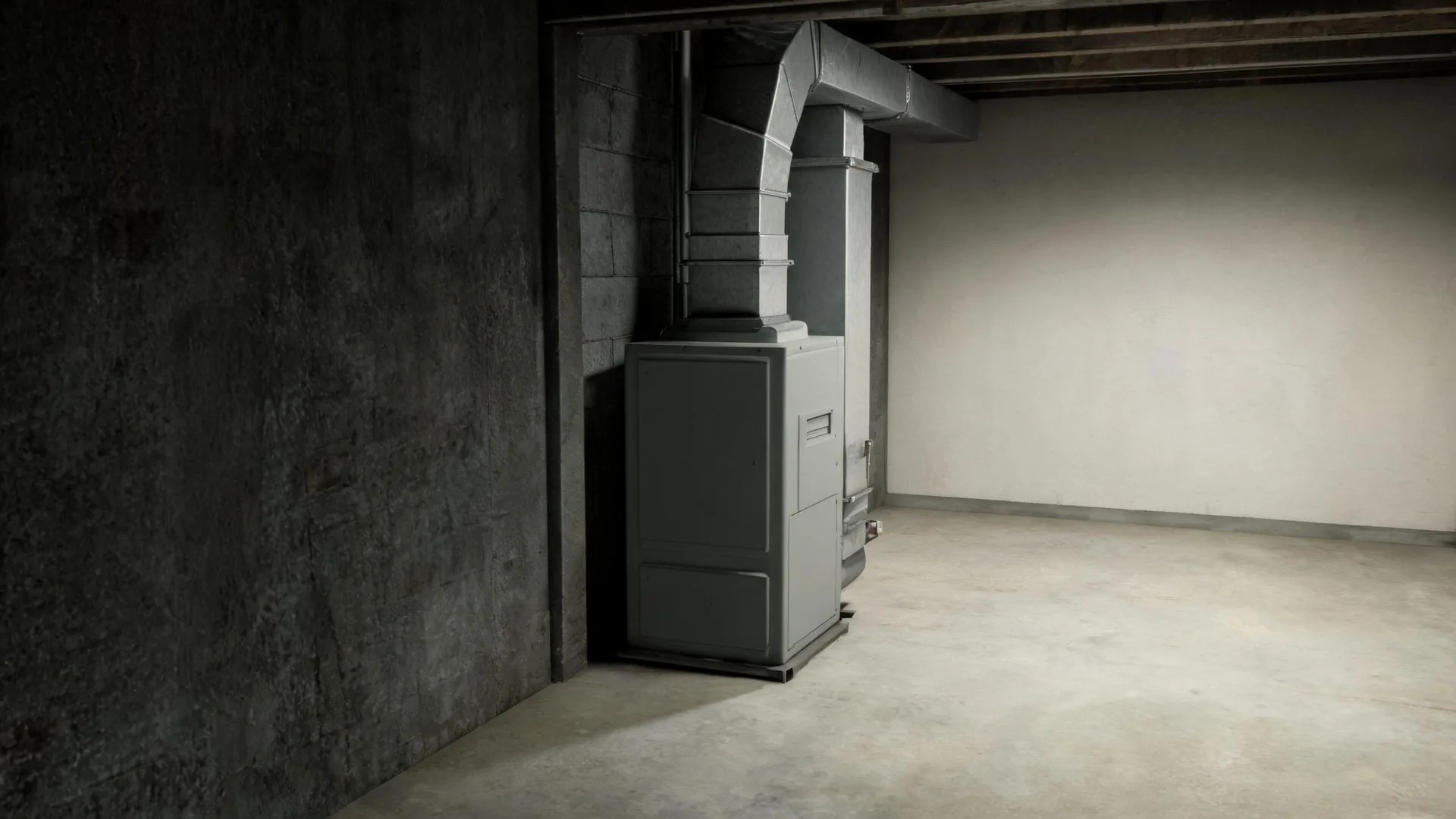
A furnace burner and heat exchanger cycle on and off every time the house calls for heat. Homes in Solano County, CA run heat about six months a year, from November through April. That kind of sustained cycling loads the ignition system, the heat exchanger, and the blower motor in ways that show up as cracks, failed igniters, or worn bearings by the time a contractor opens the unit. A contractor diagnosing a furnace here checks those components first, because they carry the season's full workload and give out before the parts that see less stress.
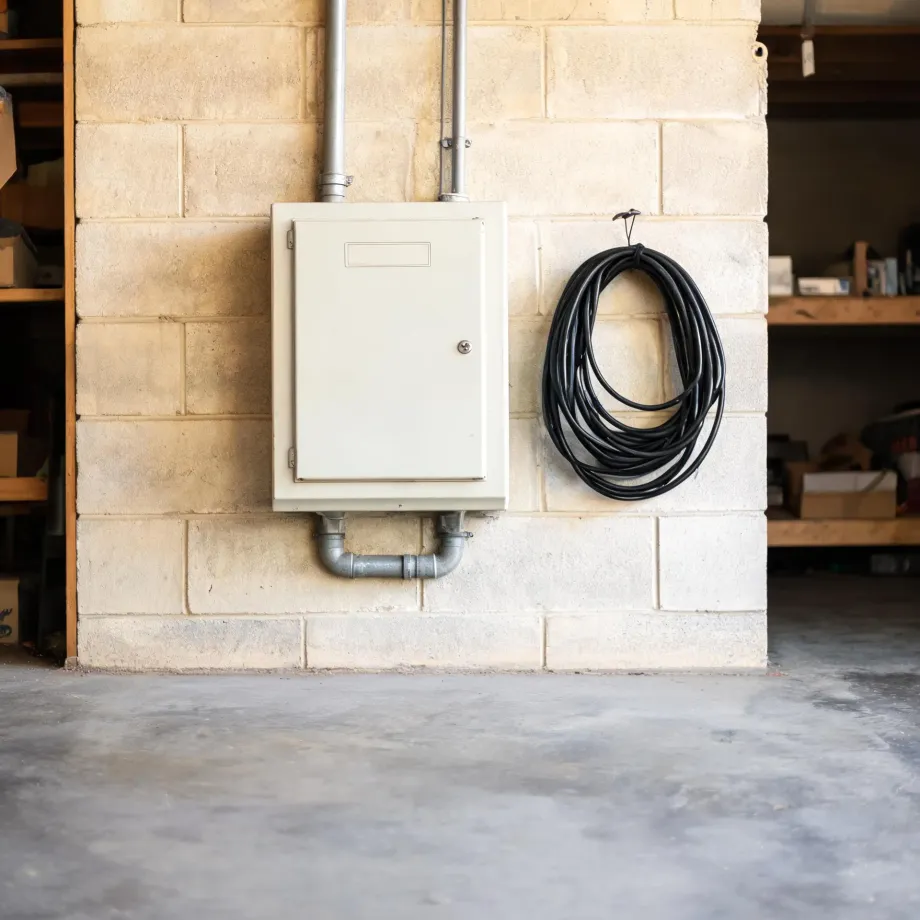
Successive furnace generations get fitted into the same cabinet openings, the same flue runs, the same return configurations that earlier systems occupied. Half the homes in Solano County, California were built in 1982 or earlier (2020-2024 ACS 5-year). That means a contractor opening a failed furnace here is often working through a repair history that shows what each prior system asked of the heat exchanger and burner assembly, and whether those components were patched or properly replaced each time. A part that looks serviceable from the outside can tell a different story once the cabinet is open and the flue connections are checked.
The Parts of a Furnace a Contractor Checks First
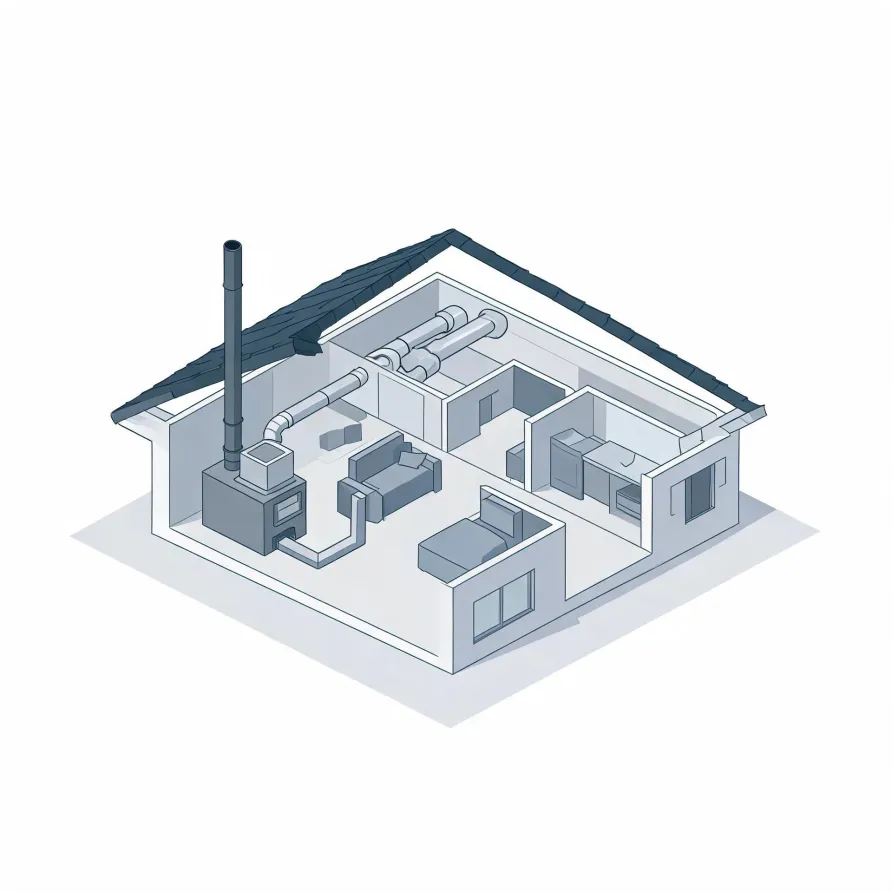
The heat exchanger sits at the core of the furnace cabinet and is where combustion heat transfers to the air that moves through your home. When it cracks or corrodes, combustion gases can enter the airstream. The burner assembly sits just below it, and a misfiring or clogged burner is often where a heating problem starts.
The blower motor and its fan wheel sit in the lower section of the cabinet and push conditioned air out into the supply plenum. The igniter and flame sensor are small components mounted near the burners, and either one failing will prevent the furnace from lighting or keep it from staying lit. The control board runs all of it and is what a contractor reads for fault codes before touching anything else.
The drawing shows a typical furnace layout, and a licensed contractor determines which components apply to the specific system and installation in your home.
Find a contractor in Solano CountySolano County, by the numbers
53 severe weather events were recorded in Solano County, California between 2015 and 2024.
NOAA National Centers for Environmental Information, Storm Events Database, bulk CSV export, events 2015-01-01 through 2024-12-31.Half the homes in Solano County, California were built in 1982 or earlier (2020-2024 ACS 5-year).
U.S. Census Bureau, 2020-2024 American Community Survey 5-Year EstimatesSolano County, California holds 164,693 housing units (2020-2024 ACS 5-year).
U.S. Census Bureau, 2020-2024 American Community Survey 5-Year EstimatesOwners occupy 63.0% of the occupied homes in Solano County, California (2020-2024 ACS 5-year).
U.S. Census Bureau, 2020-2024 American Community Survey 5-Year EstimatesFurnace Repair Rules on the Books for Solano County, California5 codes, standards & laws
What HVAC Repair Looks Like in Solano County
Non-weatherized gas furnaces manufactured on or after November 19, 2015 must reach 80.0 percent AFUE.
Non-weatherized oil-fired furnaces manufactured on or after November 19, 2015 must reach 83.0 percent AFUE.
Mobile home gas furnaces manufactured on or after November 19, 2015 must reach 80.0 percent AFUE.
Non-weatherized gas furnaces manufactured on or after December 18, 2028 must reach 95.0 percent AFUE, up from the 80.0 percent minimum that applies to units manufactured before that date.
Licensing Rules for HVAC Work in Solano County, California
California requires a state contractor license: it is a misdemeanour to engage in the business of, or act in the capacity of, a contractor in California without one, unless the work is exempt.
Severe Weather Events in Solano County
Extreme weather puts stress on furnace components, and the record of local events shapes how hard equipment in this area has had to work over time. That workload history is part of what drives repair needs, which is why a Solano County contractor reads it differently than one working elsewhere.
53 severe weather events, 2015–2024. Source: NOAA National Centers for Environmental Information, Storm Events Database.