Tell us about the job
Takes about a minute. No obligation.
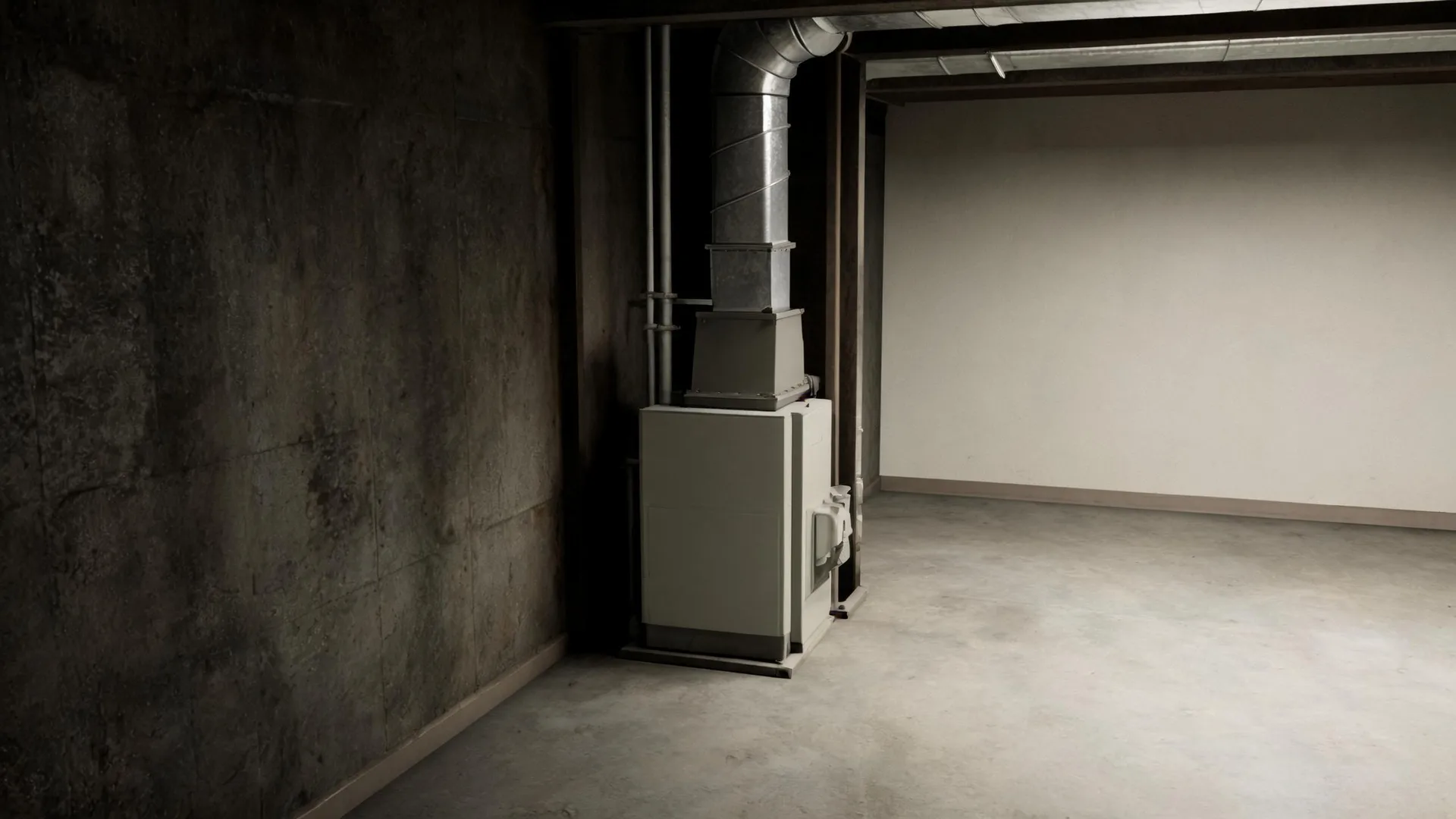
A furnace repair in Napa County starts with the components that do the actual work of combustion. Homes in Napa County, CA run heat about six months a year, from November through April. The heat exchanger cracks from repeated thermal cycling, the igniter wears from firing and cooling hundreds of times across those months, and the burner assembly collects residue that builds with every season. A contractor diagnosing a failed furnace here checks those parts before anything else, because they carry the cumulative load of a heating season that runs well into spring.
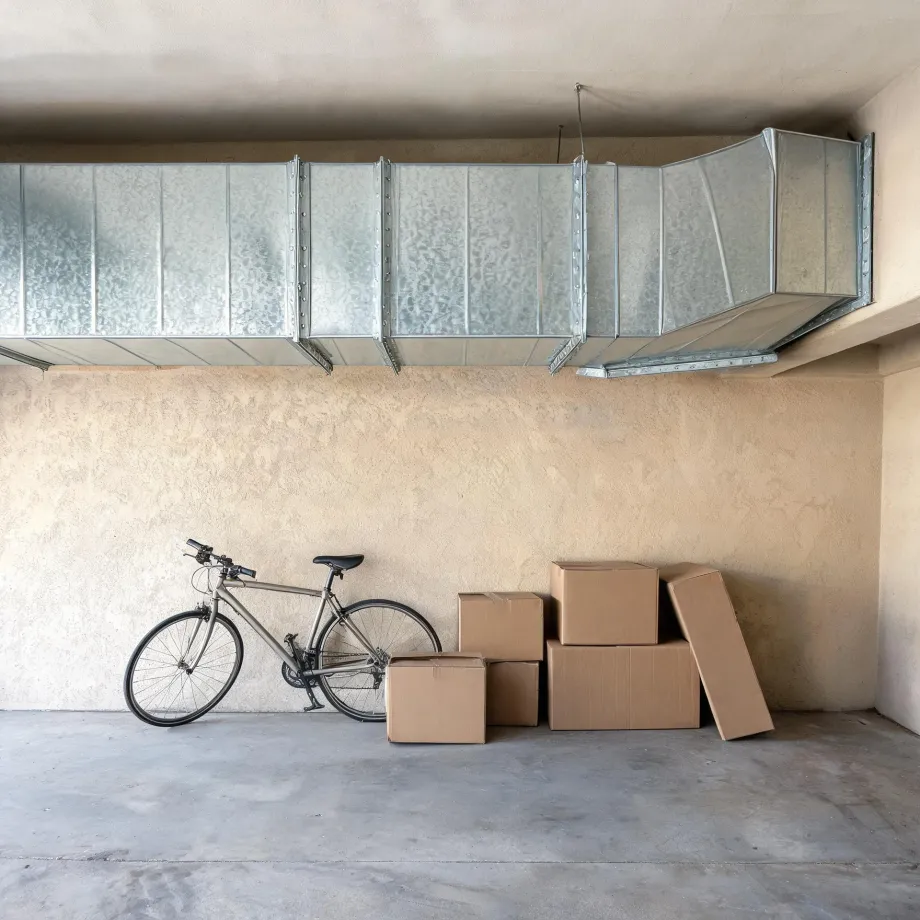
Ductwork in much of Napa County's housing stock was sized and routed for equipment that is no longer in it, and each replacement since has worked around whatever the previous one left behind. Half the homes in Napa County, California were built in 1976 or earlier (2020-2024 ACS 5-year). That history shows up inside an opened furnace as mismatched connections, patches at the plenum, or a flue arrangement a contractor has to trace before quoting the repair. Parts availability compounds this: components from successive generations of equipment do not always cross, and a contractor pulling a failed part has to confirm what is actually in the system before ordering anything.
The Parts of a Furnace a Contractor Checks First
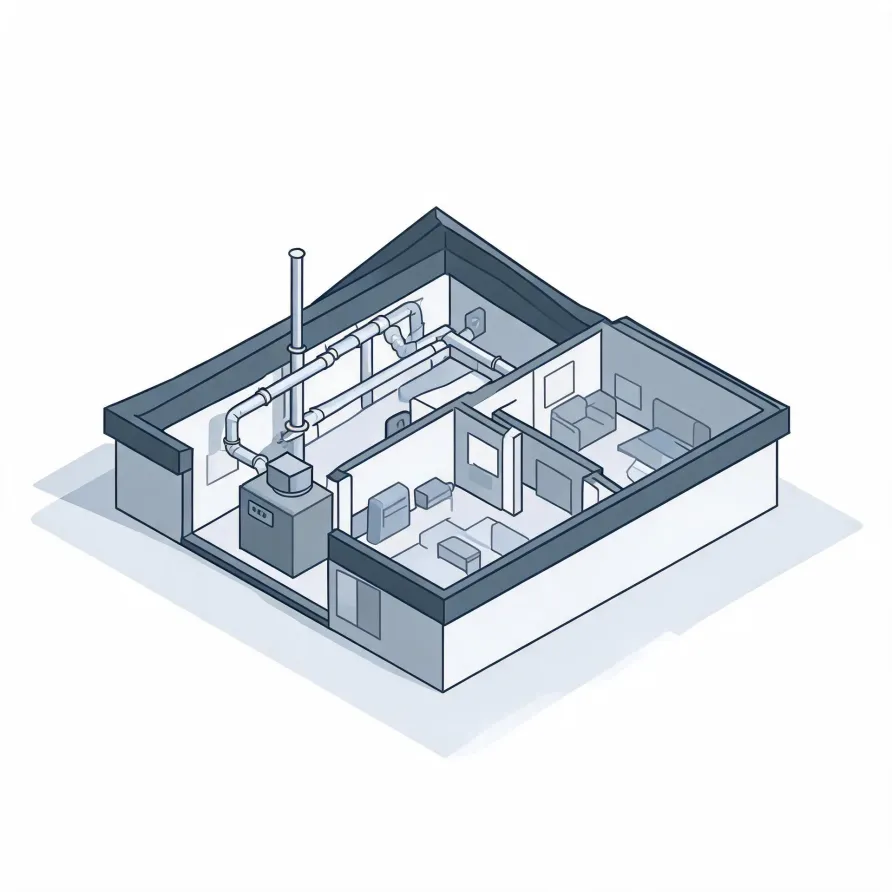
The heat exchanger sits at the core of the furnace cabinet and is where combustion heat transfers to your home's air supply. Cracks or failures here are serious. The burner assembly, which sits just below it, is where fuel ignites, and a contractor will look at both when tracing heat or flame problems.
The blower motor and fan sit in the lower section of the cabinet and push conditioned air out through the supply plenum into your duct system. The inducer motor, the ignitor, the flame sensor, and the control board all sit within or directly on the cabinet as well. Each one has a specific job, and a fault in any of them produces a recognizable symptom a contractor can trace.
The drawing shows a typical furnace layout, and a licensed contractor determines which components apply and what condition they are in for your specific system.
Find a contractor in Napa CountyNapa County, by the numbers
75 severe weather events were recorded in Napa County, California between 2015 and 2024.
NOAA National Centers for Environmental Information, Storm Events Database, bulk CSV export, events 2015-01-01 through 2024-12-31.Half the homes in Napa County, California were built in 1976 or earlier (2020-2024 ACS 5-year).
U.S. Census Bureau, 2020-2024 American Community Survey 5-Year EstimatesNapa County, California holds 55,817 housing units (2020-2024 ACS 5-year).
U.S. Census Bureau, 2020-2024 American Community Survey 5-Year EstimatesOwners occupy 63.4% of the occupied homes in Napa County, California (2020-2024 ACS 5-year).
U.S. Census Bureau, 2020-2024 American Community Survey 5-Year EstimatesCodes & Licensing That Govern Furnace Repair in Napa County, California5 sourced rules and standards
What Happens When a Contractor Comes Out
Non-weatherized gas furnaces manufactured on or after November 19, 2015 must reach 80.0 percent AFUE.
Non-weatherized oil-fired furnaces manufactured on or after November 19, 2015 must reach 83.0 percent AFUE.
Mobile home gas furnaces manufactured on or after November 19, 2015 must reach 80.0 percent AFUE.
Non-weatherized gas furnaces manufactured on or after December 18, 2028 must reach 95.0 percent AFUE, up from the 80.0 percent minimum that applies to units manufactured before that date.
Licensing Rules for HVAC Repair in Napa County, California
California requires a state contractor license: it is a misdemeanour to engage in the business of, or act in the capacity of, a contractor in California without one, unless the work is exempt.
Weather Stress on HVAC Equipment in Napa County
Furnaces work harder when outdoor conditions swing hard, and repeated stress shortens the life of components that might otherwise hold up for years. How much load a system carries is a local question, and the record below shows what weather in this county has actually looked like.
75 severe weather events, 2015–2024. Source: NOAA National Centers for Environmental Information, Storm Events Database.