Tell us about the job
Takes about a minute. No obligation.
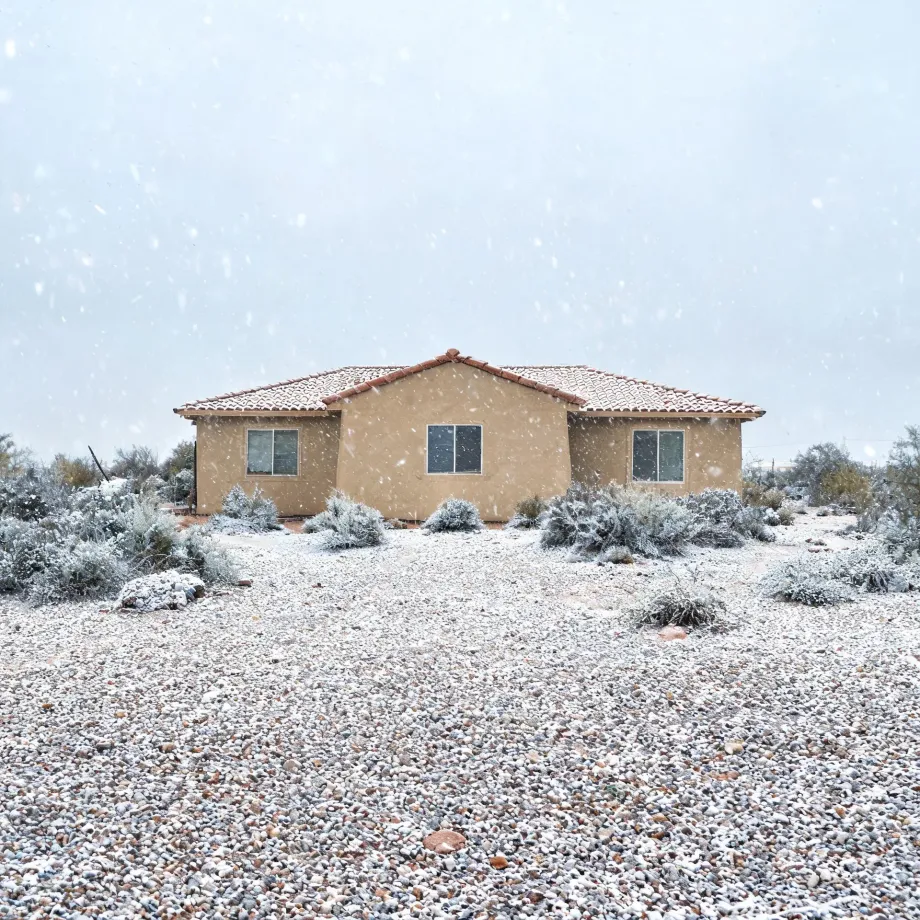
A furnace in Imperial County sits idle through most of the calendar year, then runs steadily through winter. Homes in Imperial County, CA run heat about three months a year, from December through February. The burner, heat exchanger, and ignition system cycle hard through those months, then go cold and stay cold. That pattern of concentrated use followed by long standoff is what produces the cracked heat exchangers and failed igniters a contractor finds when a homeowner calls in December. By the time a system is asked to run again, a fault that formed at the end of the previous season has had months to settle in undetected.
Furnace parts wear at their own pace, but finding them is a separate problem. Half the homes in Imperial County, California were built in 1988 or earlier (2020-2024 ACS 5-year). Stock built that long ago was originally fitted with equipment generations removed from what sits in those houses now, and the furnaces running in that stock draw on parts catalogs that grow thinner each year. A contractor who opens a failed unit here faces two questions at once: what failed, and whether the part it takes is still in production. Those two questions do not always have the same answer.
The Parts of a Furnace a Contractor Checks First
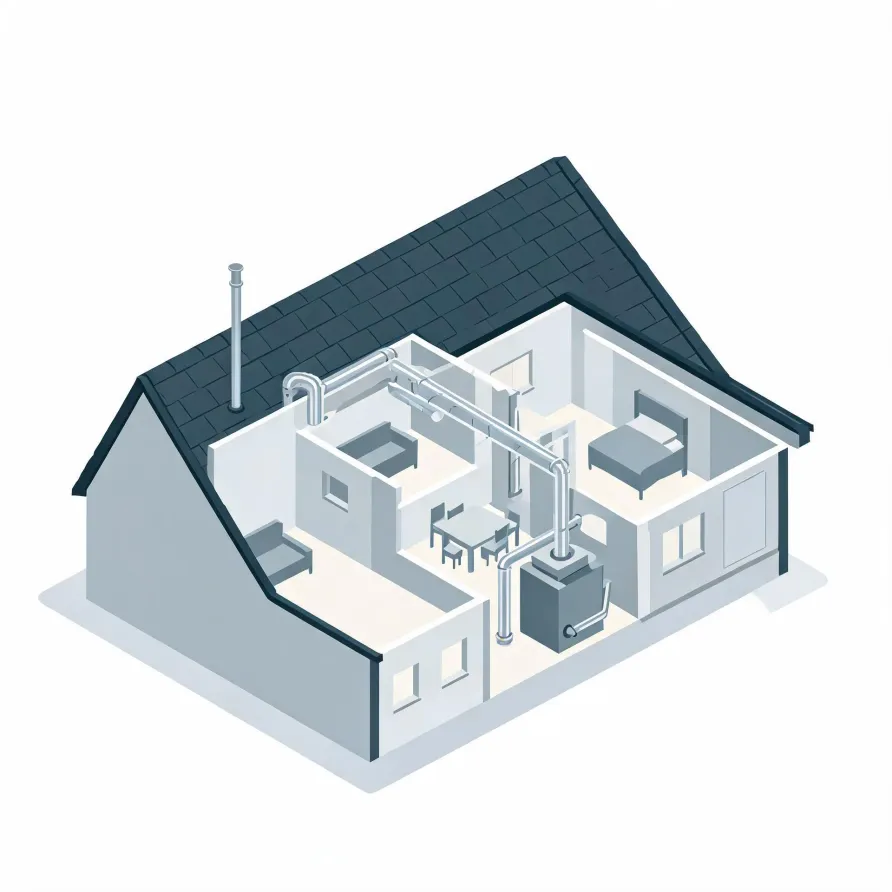
The heat exchanger sits inside the furnace cabinet, usually in a utility closet, basement, or garage, and it is the piece that warms the air before it moves through the house. Cracks or corrosion here are a common cause of uneven heat and, more seriously, carbon monoxide concerns. The burner assembly sits just below it and is where a contractor looks when the furnace fails to ignite or runs a short cycle.
The blower motor and its fan wheel sit in the lower section of the cabinet and push conditioned air into the supply ducts. The control board and the igniter are also in the cabinet, and either one can stop the whole system when it fails. A flue pipe runs from the cabinet to the outside and carries combustion gases out of the home.
The drawing shows a typical furnace layout, and a licensed contractor determines which components apply and what condition they are in for your specific system.
Find a contractor in Imperial CountyImperial County, by the numbers
67 severe weather events were recorded in Imperial County, California between 2015 and 2024.
NOAA National Centers for Environmental Information, Storm Events Database, bulk CSV export, events 2015-01-01 through 2024-12-31.Half the homes in Imperial County, California were built in 1988 or earlier (2020-2024 ACS 5-year).
U.S. Census Bureau, 2020-2024 American Community Survey 5-Year EstimatesImperial County, California holds 58,044 housing units (2020-2024 ACS 5-year).
U.S. Census Bureau, 2020-2024 American Community Survey 5-Year EstimatesOwners occupy 56.8% of the occupied homes in Imperial County, California (2020-2024 ACS 5-year).
U.S. Census Bureau, 2020-2024 American Community Survey 5-Year EstimatesCodes & Standards Governing Furnace Repair in Imperial County, California5 sourced rules and standards
What HVAC Repair Looks Like in Imperial County
Non-weatherized gas furnaces manufactured on or after November 19, 2015 must reach 80.0 percent AFUE.
Non-weatherized oil-fired furnaces manufactured on or after November 19, 2015 must reach 83.0 percent AFUE.
Mobile home gas furnaces manufactured on or after November 19, 2015 must reach 80.0 percent AFUE.
Non-weatherized gas furnaces manufactured on or after December 18, 2028 must reach 95.0 percent AFUE, up from the 80.0 percent minimum that applies to units manufactured before that date.
Licensing and Legal Requirements in Imperial County, California
California requires a state contractor license: it is a misdemeanour to engage in the business of, or act in the capacity of, a contractor in California without one, unless the work is exempt.
Severe Weather Events in Imperial County
Extreme weather puts hours on a furnace fast, and those hours show up later as worn parts, dropped pressures, and repair calls. How hard the weather swings in Imperial County is a local fact, and it shapes what a furnace here is asked to do.
67 severe weather events, 2015–2024. Source: NOAA National Centers for Environmental Information, Storm Events Database.