Tell us about the job
Takes about a minute. No obligation.
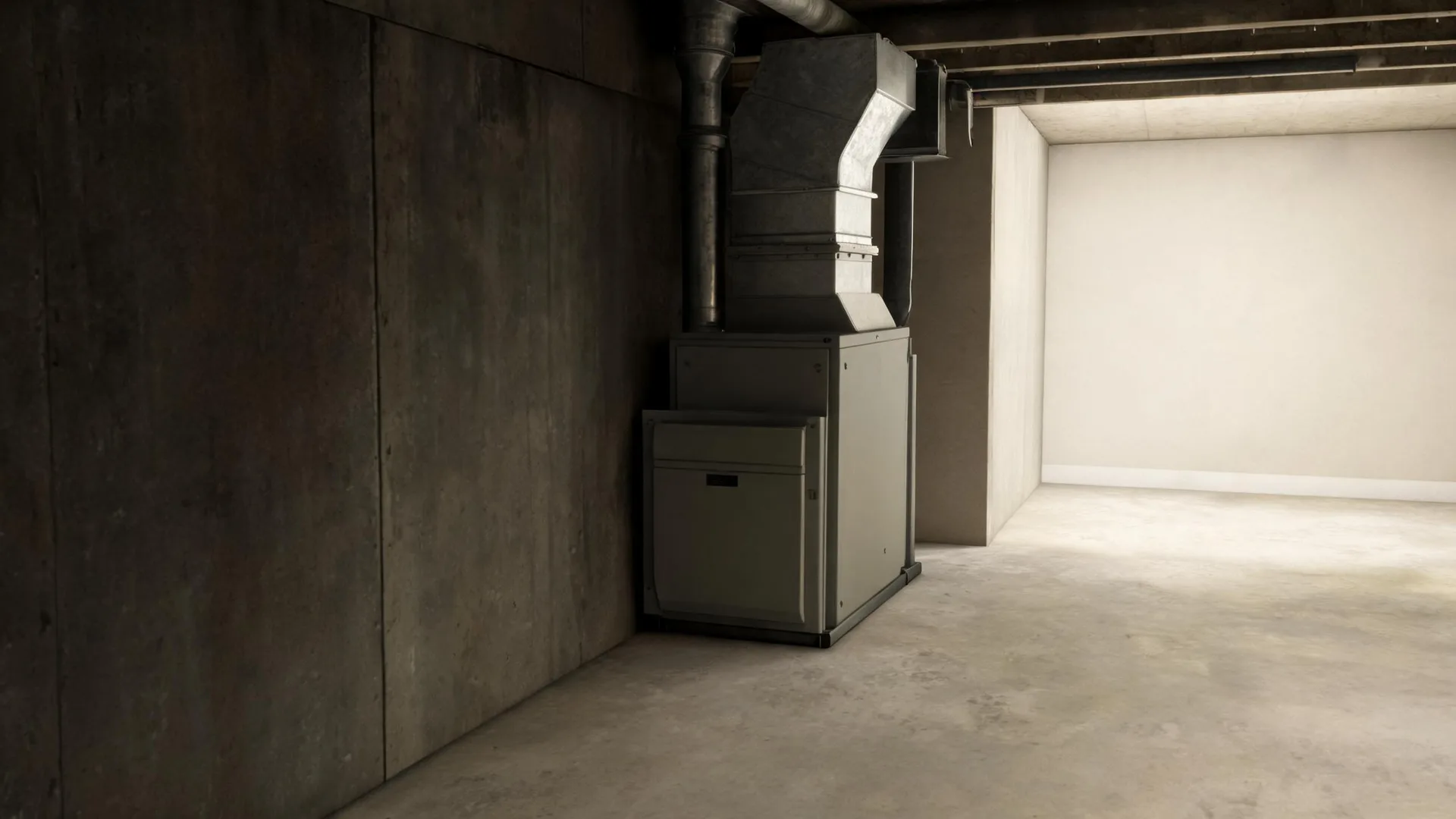
A furnace repair in San Diego County starts with the parts that cycle hardest: the burner, the igniter, and the heat exchanger. Homes in San Diego County, CA run heat about six months a year, from November through April. Every firing cycle stresses the heat exchanger through expansion and contraction, and the igniter wears down from repeated starts across that stretch. By the time a system trips a fault, those components have already logged a long history of stress. A contractor who opens the unit has to account for that accumulated wear before settling on a repair scope, because a part that looks borderline in September often does not survive the next season.
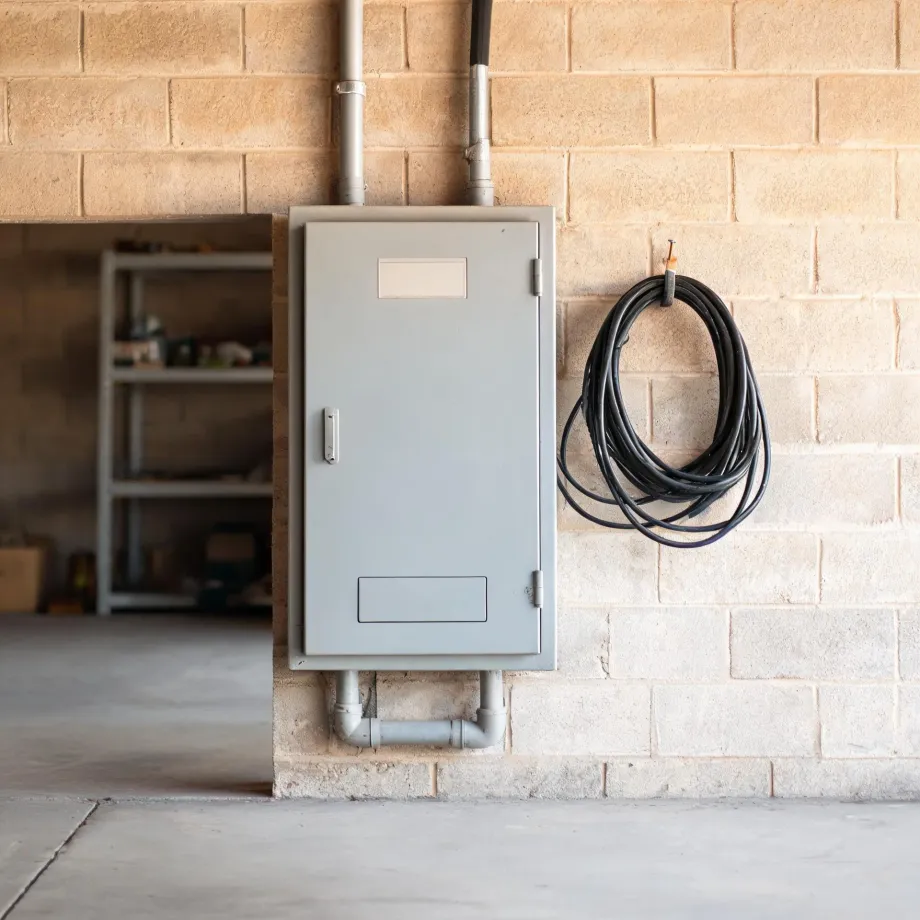
Ductwork in a house this old was sized and routed for equipment that has since been replaced at least once, sometimes more. What that history does to a furnace is visible only after the cabinet is open: heat exchangers carry stress from years of thermal cycling, burner assemblies wear in ways that vary by how the system was serviced, and the parts a contractor needs may no longer be in active production. Half the homes in San Diego County, California were built in 1980 or earlier (2020-2024 ACS 5-year). That figure explains why a furnace repair here rarely ends at the obvious symptom. A contractor working through an older system is pricing against a supply chain that gets thinner the further back the unit's lineage runs.
The Parts of a Furnace a Contractor Checks First
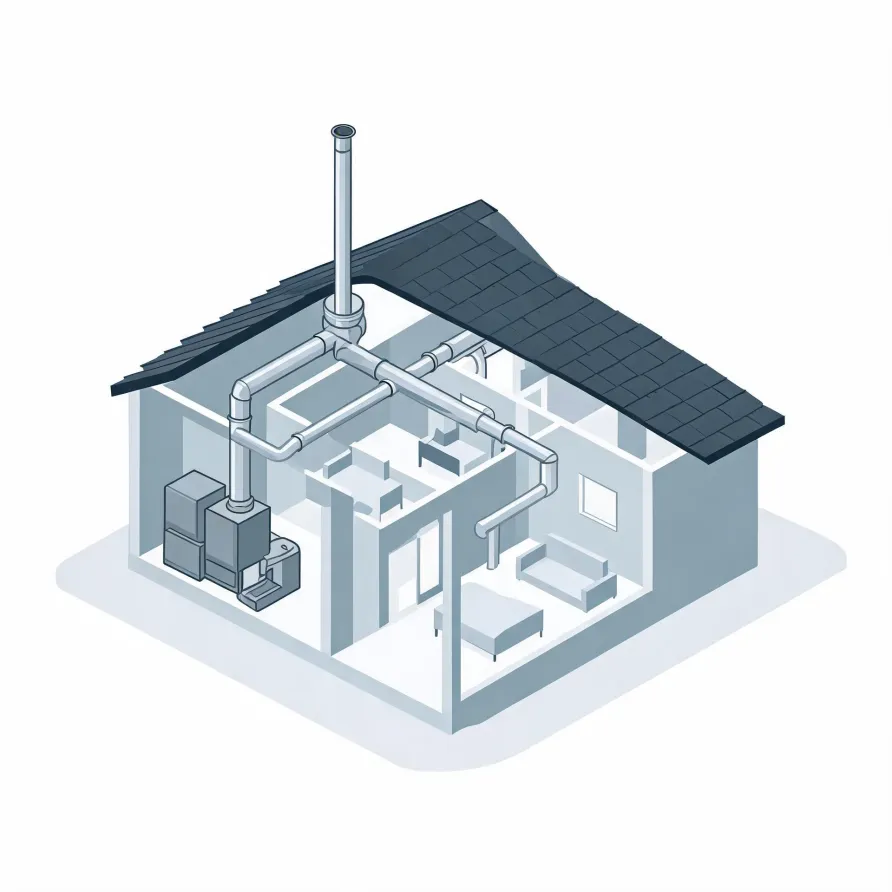
The heat exchanger sits at the core of the furnace cabinet, transferring heat from the burner flame to the air moving through your home. Cracks or blockages here are a common source of trouble. The burner assembly sits directly below it, and a contractor will look at both when combustion problems are the complaint.
The blower motor and its fan wheel live in the lower section of the cabinet, pushing conditioned air out into the ducts. The igniter, flame sensor, and control board are all housed within the same cabinet, and each one can be the culprit when a furnace runs poorly, short-cycles, or refuses to start.
The drawing shows a typical furnace layout, and a licensed contractor determines which components apply to the specific unit and installation in your home.
Find a contractor in San Diego CountySan Diego County, by the numbers
442 severe weather events were recorded in San Diego County, California between 2015 and 2024.
NOAA National Centers for Environmental Information, Storm Events Database, bulk CSV export, events 2015-01-01 through 2024-12-31.Half the homes in San Diego County, California were built in 1980 or earlier (2020-2024 ACS 5-year).
U.S. Census Bureau, 2020-2024 American Community Survey 5-Year EstimatesSan Diego County, California holds 1,250,641 housing units (2020-2024 ACS 5-year).
U.S. Census Bureau, 2020-2024 American Community Survey 5-Year EstimatesOwners occupy 54.6% of the occupied homes in San Diego County, California (2020-2024 ACS 5-year).
U.S. Census Bureau, 2020-2024 American Community Survey 5-Year EstimatesCodes & Standards Governing Furnace Repair in San Diego County, California5 sourced rules and standards
What HVAC Repair Looks Like in San Diego County
Non-weatherized gas furnaces manufactured on or after November 19, 2015 must reach 80.0 percent AFUE.
Non-weatherized oil-fired furnaces manufactured on or after November 19, 2015 must reach 83.0 percent AFUE.
Mobile home gas furnaces manufactured on or after November 19, 2015 must reach 80.0 percent AFUE.
Non-weatherized gas furnaces manufactured on or after December 18, 2028 must reach 95.0 percent AFUE, up from the 80.0 percent minimum that applies to units manufactured before that date.
Licensing and Legal Requirements for HVAC Repair in San Diego County, California
California requires a state contractor license: it is a misdemeanour to engage in the business of, or act in the capacity of, a contractor in California without one, unless the work is exempt.
Weather Events in San Diego County That Stress HVAC Equipment
Furnaces in San Diego County run harder when outside conditions push past normal ranges, and that workload shows up as wear over time. Weather stress is one of the main reasons repair needs cluster the way they do in a given area.
442 severe weather events, 2015–2024. Source: NOAA National Centers for Environmental Information, Storm Events Database.