Tell us about the job
Takes about a minute. No obligation.
Homes in Los Angeles County, CA run heat about six months a year, from November through April. The burner and ignition system take the full weight of that cycling: every start, every shutoff, every time the heat exchanger expands and contracts under load. A contractor diagnosing a furnace here opens with those components, because that is where the wear lands. Cracks in the heat exchanger, a fouled igniter, a flame sensor that trips on a cold morning when demand is highest: these are the findings that follow from what the equipment has actually been running through.
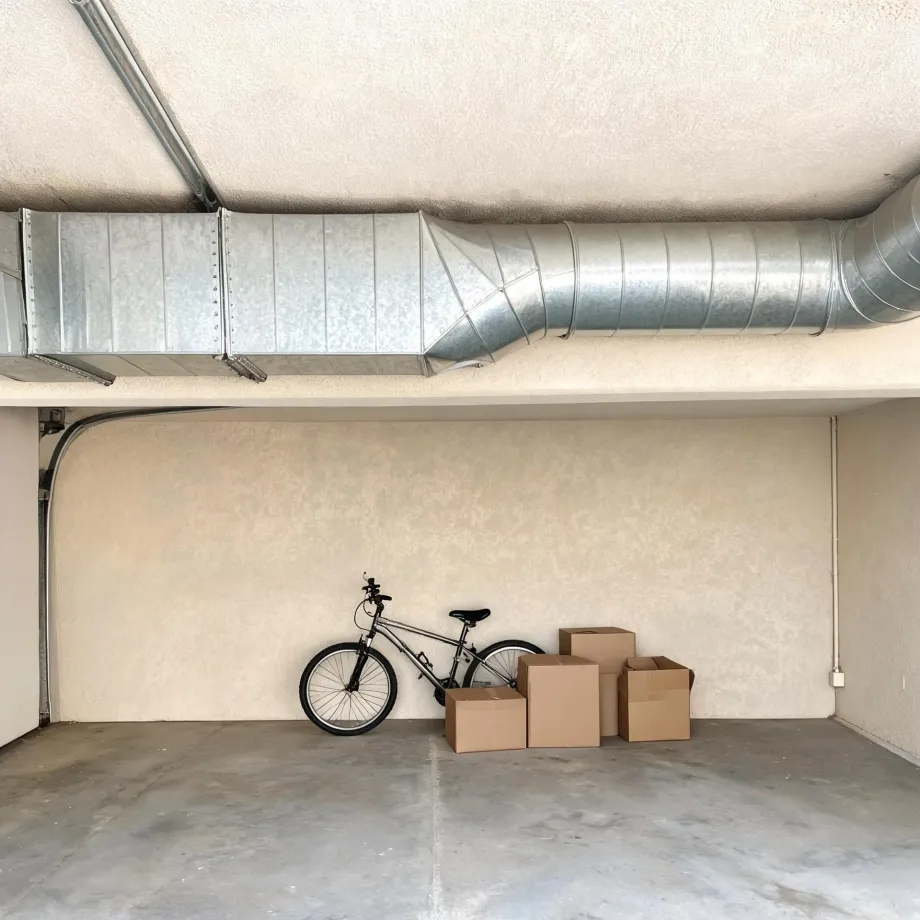
Ductwork in a house built for mid-century heating runs through wall cavities and crawl spaces sized for the original system, and a contractor opening a furnace here often finds that what failed inside is a part the supply house no longer stocks. Half the homes in Los Angeles County, California were built in 1965 or earlier (2020-2024 ACS 5-year). That gap between when the house was built and what the manufacturer still supports is where a furnace repair in this county either stays a repair or becomes a longer conversation about what can still be sourced and what cannot.
The Parts of a Furnace a Contractor Checks First
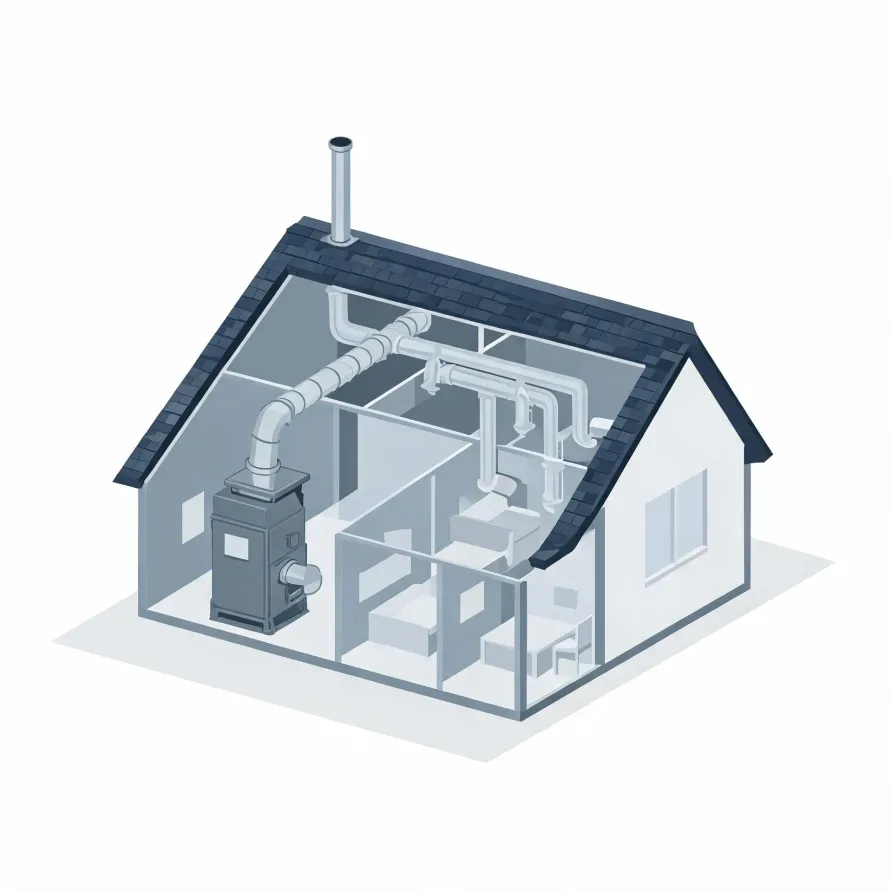
The heat exchanger sits inside the furnace cabinet, usually in a basement, utility closet, or garage, and it is the part that warms the air before it moves into the house. Cracks or stress fractures here are a common source of both heat loss and safety concerns. The burner assembly sits just below it and is where a contractor looks when the furnace fails to light or runs unevenly.
The blower motor sits at the base of the cabinet and pushes conditioned air out through the supply side of the system. The inducer motor and the flue assembly sit at the top of the cabinet and move combustion gases out of the house. The control board ties those components together, and when symptoms are scattered or hard to trace, it is often where a contractor looks last.
The drawing shows a general layout of these components, and a licensed contractor determines what applies to the specific equipment and configuration in your home.
Find a contractor in Los Angeles CountyLos Angeles County, by the numbers
136 severe weather events were recorded in Los Angeles County, California between 2015 and 2024.
NOAA National Centers for Environmental Information, Storm Events Database, bulk CSV export, events 2015-01-01 through 2024-12-31.Half the homes in Los Angeles County, California were built in 1965 or earlier (2020-2024 ACS 5-year).
U.S. Census Bureau, 2020-2024 American Community Survey 5-Year EstimatesLos Angeles County, California holds 3,650,466 housing units (2020-2024 ACS 5-year).
U.S. Census Bureau, 2020-2024 American Community Survey 5-Year EstimatesOwners occupy 45.9% of the occupied homes in Los Angeles County, California (2020-2024 ACS 5-year).
U.S. Census Bureau, 2020-2024 American Community Survey 5-Year EstimatesCodes & Standards Covering Furnace Repair in Los Angeles County, California5 sourced rules and standards
What HVAC Repair Looks Like in Los Angeles County
Non-weatherized gas furnaces manufactured on or after November 19, 2015 must reach 80.0 percent AFUE.
Non-weatherized oil-fired furnaces manufactured on or after November 19, 2015 must reach 83.0 percent AFUE.
Mobile home gas furnaces manufactured on or after November 19, 2015 must reach 80.0 percent AFUE.
Non-weatherized gas furnaces manufactured on or after December 18, 2028 must reach 95.0 percent AFUE, up from the 80.0 percent minimum that applies to units manufactured before that date.
Licensing and Legal Requirements in Los Angeles County, California
California requires a state contractor license: it is a misdemeanour to engage in the business of, or act in the capacity of, a contractor in California without one, unless the work is exempt.
Severe Weather Events in Los Angeles County
Extreme weather puts stress on furnaces that steady, mild conditions never do. How hard the equipment in Los Angeles County works over its lifetime is partly a local question, and the record below is part of that picture.
136 severe weather events, 2015–2024. Source: NOAA National Centers for Environmental Information, Storm Events Database.