Tell us about the job
Takes about a minute. No obligation.
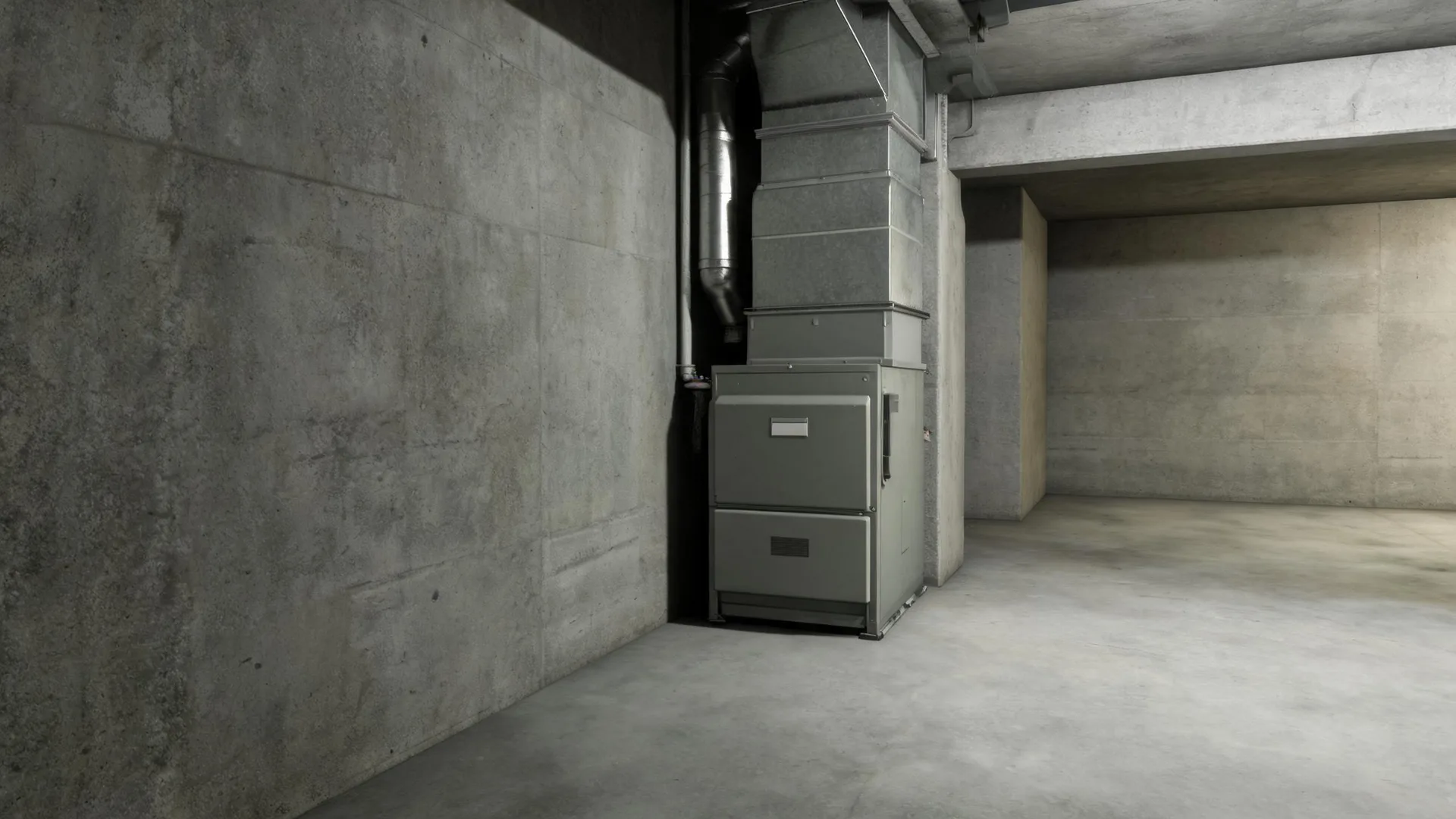
Furnace repairs in Ventura County start with the parts that actually cycle: the burner, the igniter, and the heat exchanger. Homes in Ventura County, CA run heat about seven months a year, from November through May. A furnace running that long each year puts repeated thermal stress on the heat exchanger in particular, and cracks or fatigue there are what a contractor looks for before pricing anything else. The ignition system wears in step with every startup, and a contractor who skips it on a diagnosed call is likely to be back.
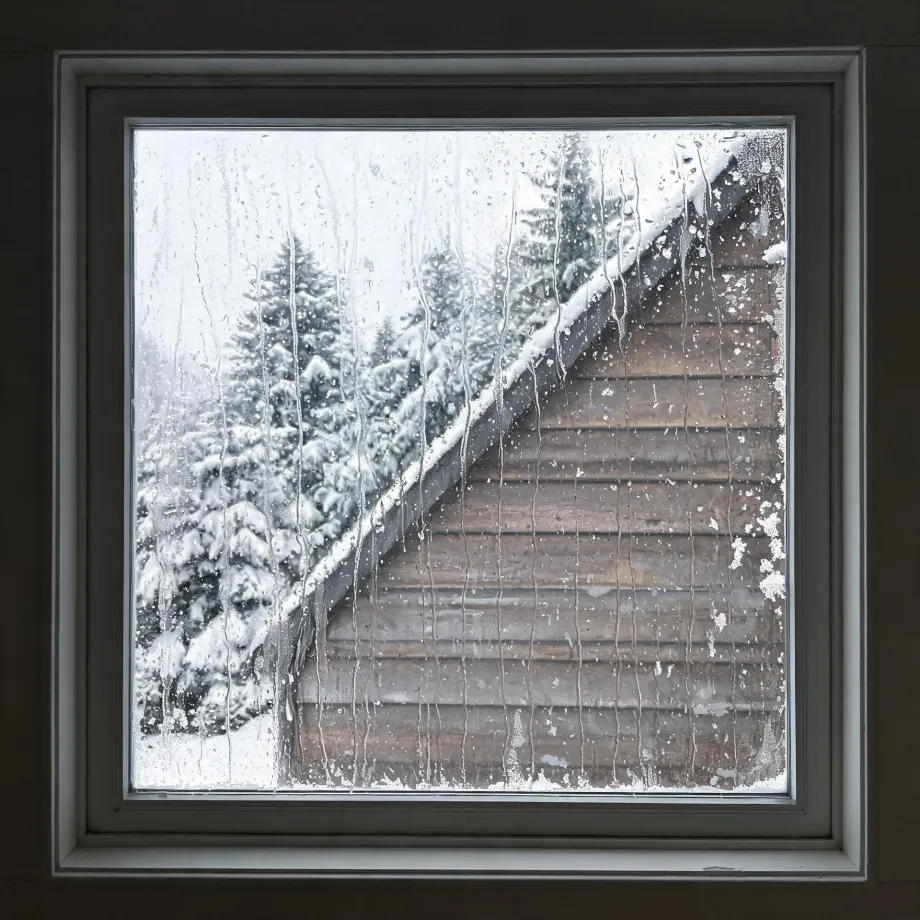
Furnace repair in housing this old runs into a particular problem once the unit is open: the components inside are often from generations of equipment whose parts have moved off standard distributor shelves and into specialty or salvage supply. Half the homes in Ventura County, California were built in 1978 or earlier (2020-2024 ACS 5-year). A contractor working a furnace in a house from that era may pull the cover and find a heat exchanger or burner assembly whose replacement parts require sourcing outside the usual channels, which changes both the time and the cost of the repair before the diagnostic conversation is even finished.
The Parts of a Furnace a Contractor Checks First
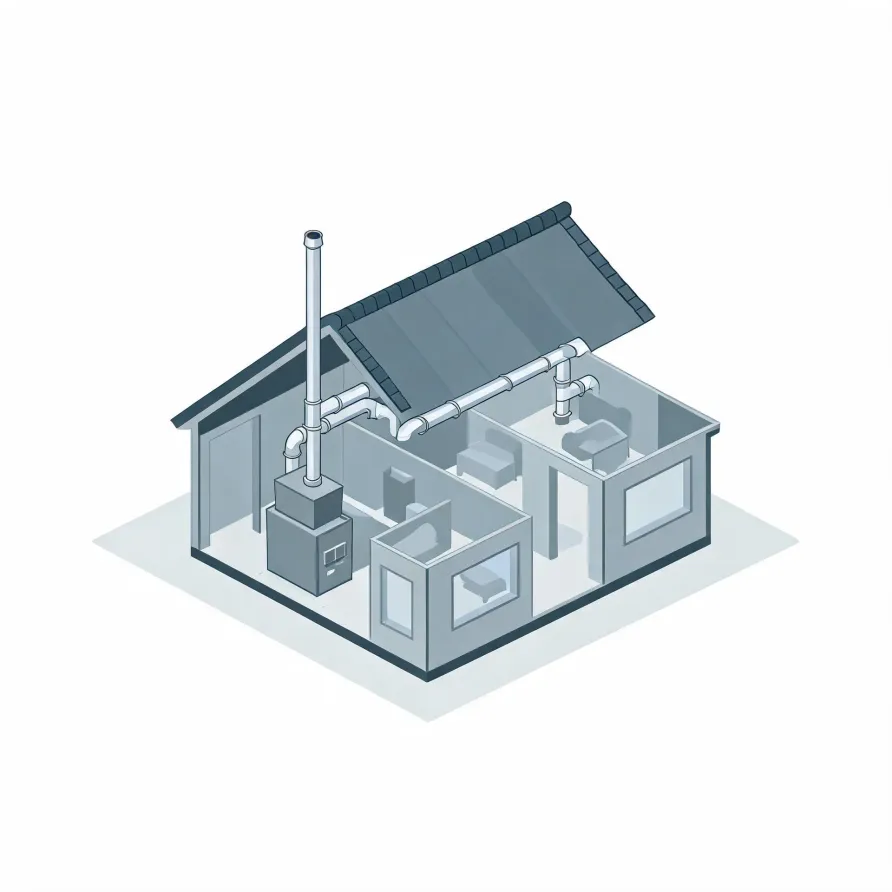
The heat exchanger sits at the core of the furnace cabinet and is the piece a contractor looks at closely when something smells wrong or the house stops warming evenly. The burner assembly feeds it, and when ignition is weak or inconsistent, that is where the diagnosis starts. The blower motor pulls air across the exchanger and pushes it into the supply side of the house.
The flue or exhaust vent runs from the top of the furnace to the outside and carries combustion gases out. The control board sits inside the cabinet and coordinates every other part. The gas valve, the pressure switches, and the flame sensor all connect back to it, and a fault in any one of them usually shows up as a board error before a contractor even opens the cabinet.
The drawing shows the general layout of a furnace system, and a licensed contractor determines which parts apply to the specific equipment and installation in your home.
Find a contractor in Ventura CountyVentura County by the numbers
43 severe weather events were recorded in Ventura County, California between 2015 and 2024.
NOAA National Centers for Environmental Information, Storm Events Database, bulk CSV export, events 2015-01-01 through 2024-12-31.Half the homes in Ventura County, California were built in 1978 or earlier (2020-2024 ACS 5-year).
U.S. Census Bureau, 2020-2024 American Community Survey 5-Year EstimatesVentura County, California holds 295,878 housing units (2020-2024 ACS 5-year).
U.S. Census Bureau, 2020-2024 American Community Survey 5-Year EstimatesOwners occupy 64.6% of the occupied homes in Ventura County, California (2020-2024 ACS 5-year).
U.S. Census Bureau, 2020-2024 American Community Survey 5-Year EstimatesCodes & Standards Covering Furnace Repair in Ventura County, California5 sourced rules and standards
What happens when the contractor shows up
Non-weatherized gas furnaces manufactured on or after November 19, 2015 must reach 80.0 percent AFUE.
Non-weatherized oil-fired furnaces manufactured on or after November 19, 2015 must reach 83.0 percent AFUE.
Mobile home gas furnaces manufactured on or after November 19, 2015 must reach 80.0 percent AFUE.
Non-weatherized gas furnaces manufactured on or after December 18, 2028 must reach 95.0 percent AFUE, up from the 80.0 percent minimum that applies to units manufactured before that date.
Licensing and Legal Requirements in Ventura County, California
California requires a state contractor license: it is a misdemeanour to engage in the business of, or act in the capacity of, a contractor in California without one, unless the work is exempt.
Weather Events in Ventura County and Your Furnace
Extreme weather puts real stress on heating equipment, cycling it hard and fast in ways that wear components down. How much of that a furnace in Ventura County absorbs year to year shapes what repairs it needs and how soon.
43 severe weather events, 2016–2024. Source: NOAA National Centers for Environmental Information, Storm Events Database.