Tell us about the job
Takes about a minute. No obligation.
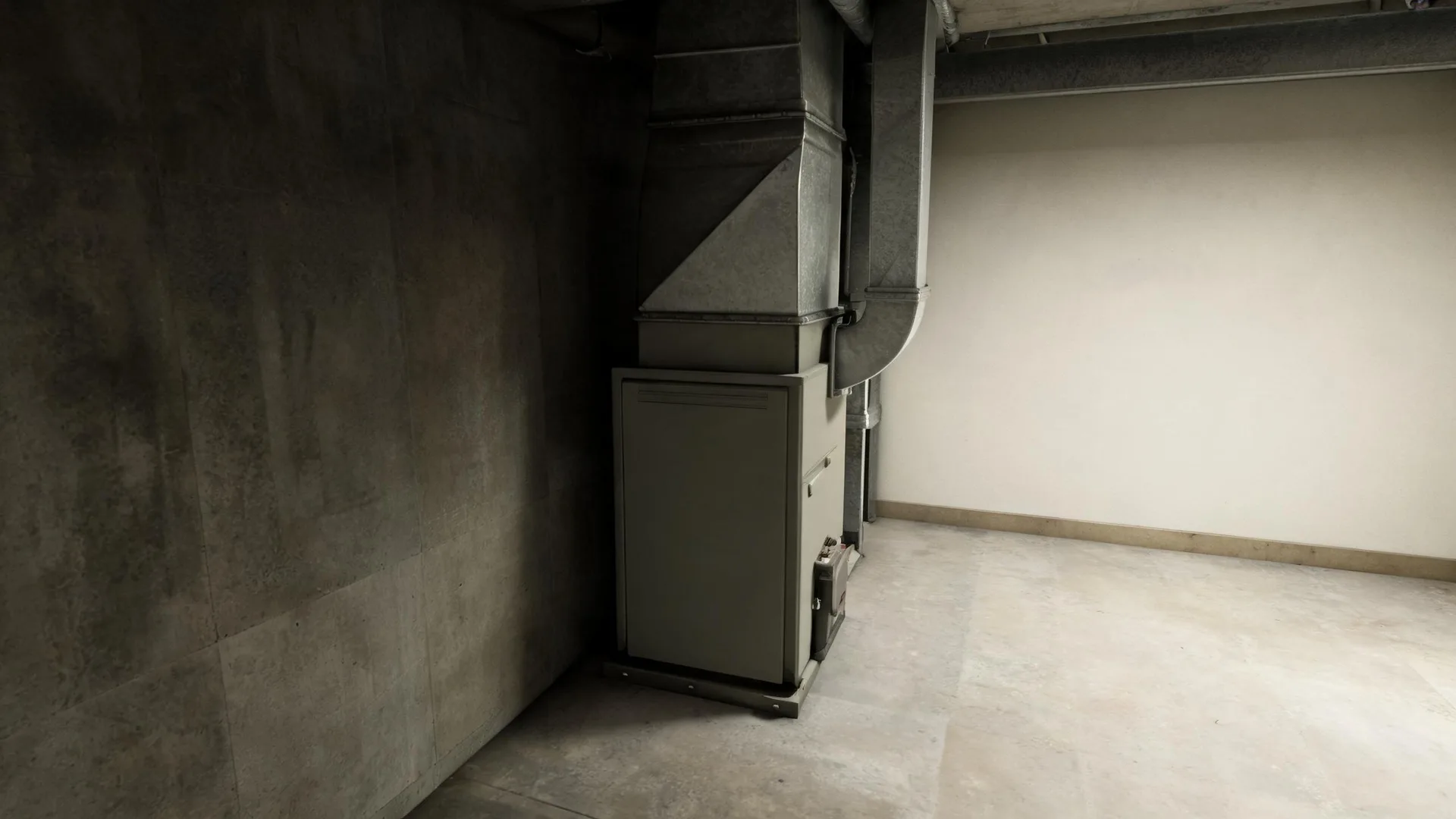
A furnace repair in San Mateo County starts with the ignition system and the burner, and there is a straightforward reason for that. Homes in San Mateo County, CA run heat about seven months a year, from November through May. Cycling through that much of the calendar pushes the igniter, the flame sensor, and the heat exchanger harder than equipment in a shorter season ever sees. A contractor who skips straight to the blower or the controls on the first visit is working backward. The components that fire and re-fire all winter are the ones that fail, and those are what gets opened first.
Furnace parts are the variable that changes how a repair goes in San Mateo County. Half the homes in San Mateo County, California were built in 1966 or earlier (2020-2024 ACS 5-year). A house that old has been through at least one furnace replacement, sometimes more, and each swap narrows the parts universe for whatever is running now. When a contractor opens the unit, what decides the job is whether the components that need replacing are still in production in a compatible form, or whether sourcing them means delays, substitutions, or a conversation with the homeowner about a different path.
The Parts of a Furnace a Contractor Checks First
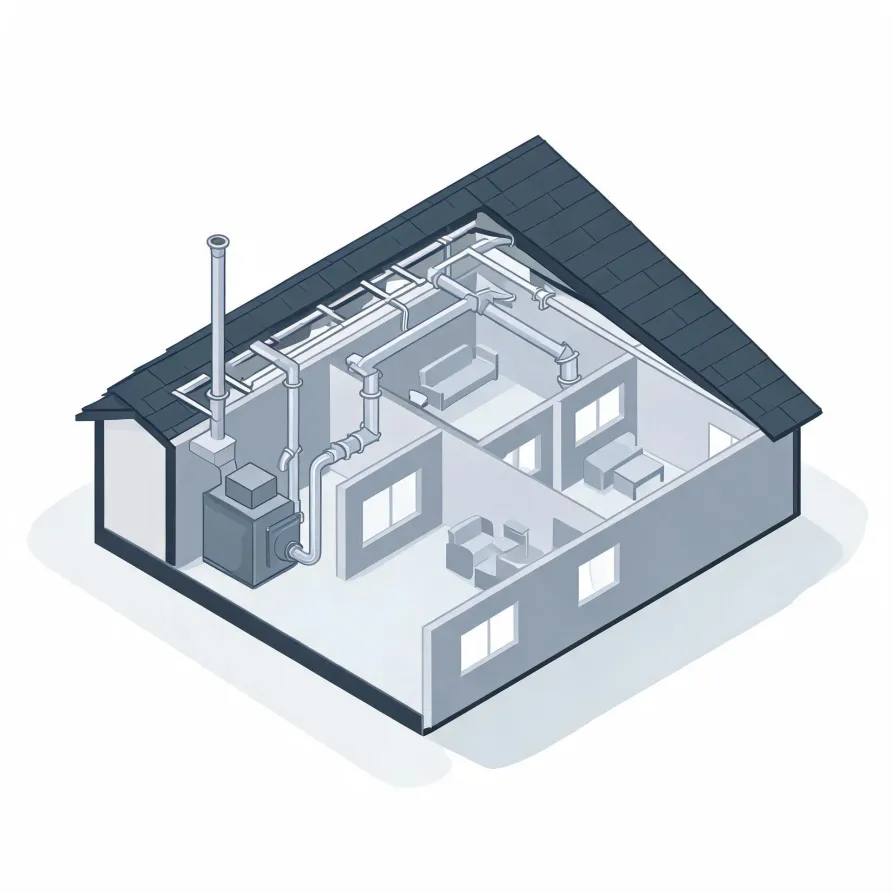
The heat exchanger sits at the core of the furnace cabinet and is where combustion gases transfer warmth to the air moving through your home. A cracked or corroded heat exchanger is one of the first things a contractor looks at, because a failure there affects both heating output and safety. The burners sit just below it and are checked for even flame, blockage, and ignition problems.
The blower motor and its fan wheel sit in the lower section of the cabinet and push conditioned air out through the supply ducts. Alongside those, the control board and the flame sensor are the pieces that tell the system when and how to fire. A fault in either one can shut the furnace down or cause it to short-cycle.
The drawing shows the general layout of a furnace system, and a licensed contractor determines which components apply and what condition they are in for your specific installation.
Find a contractor in San Mateo CountySan Mateo County, by the record
282 severe weather events were recorded in San Mateo County, California between 2015 and 2024.
NOAA National Centers for Environmental Information, Storm Events Database, bulk CSV export, events 2015-01-01 through 2024-12-31.Half the homes in San Mateo County, California were built in 1966 or earlier (2020-2024 ACS 5-year).
U.S. Census Bureau, 2020-2024 American Community Survey 5-Year EstimatesSan Mateo County, California holds 287,184 housing units (2020-2024 ACS 5-year).
U.S. Census Bureau, 2020-2024 American Community Survey 5-Year EstimatesOwners occupy 58.5% of the occupied homes in San Mateo County, California (2020-2024 ACS 5-year).
U.S. Census Bureau, 2020-2024 American Community Survey 5-Year EstimatesCodes & Standards Governing Furnace Repair in San Mateo County, California5 sourced rules and standards
What HVAC Repair Looks Like in San Mateo County
Non-weatherized gas furnaces manufactured on or after November 19, 2015 must reach 80.0 percent AFUE.
Non-weatherized oil-fired furnaces manufactured on or after November 19, 2015 must reach 83.0 percent AFUE.
Mobile home gas furnaces manufactured on or after November 19, 2015 must reach 80.0 percent AFUE.
Non-weatherized gas furnaces manufactured on or after December 18, 2028 must reach 95.0 percent AFUE, up from the 80.0 percent minimum that applies to units manufactured before that date.
What San Mateo County and California Require for HVAC Repair
California requires a state contractor license: it is a misdemeanour to engage in the business of, or act in the capacity of, a contractor in California without one, unless the work is exempt.
Severe Weather Events in San Mateo County
Weather puts work on a furnace. Every episode of cold, wind, or sudden temperature swing is a demand on the equipment, and those demands add up over time in ways that show up as wear, failure, and repair calls.
282 severe weather events, 2015–2024. Source: NOAA National Centers for Environmental Information, Storm Events Database.