Tell us about the job
Takes about a minute. No obligation.
A furnace repair in Santa Clara County starts with the parts that carry the real load: the burner, the heat exchanger, and the ignition system. Homes in Santa Clara County, CA run heat about seven months a year, from November through May. Across that stretch of cycling on and off, those components wear faster than the cabinet or the blower housing around them. A contractor pricing a repair here checks the ignition assembly and inspects the heat exchanger for cracks before quoting anything else, because those are the parts the season has been working hardest.
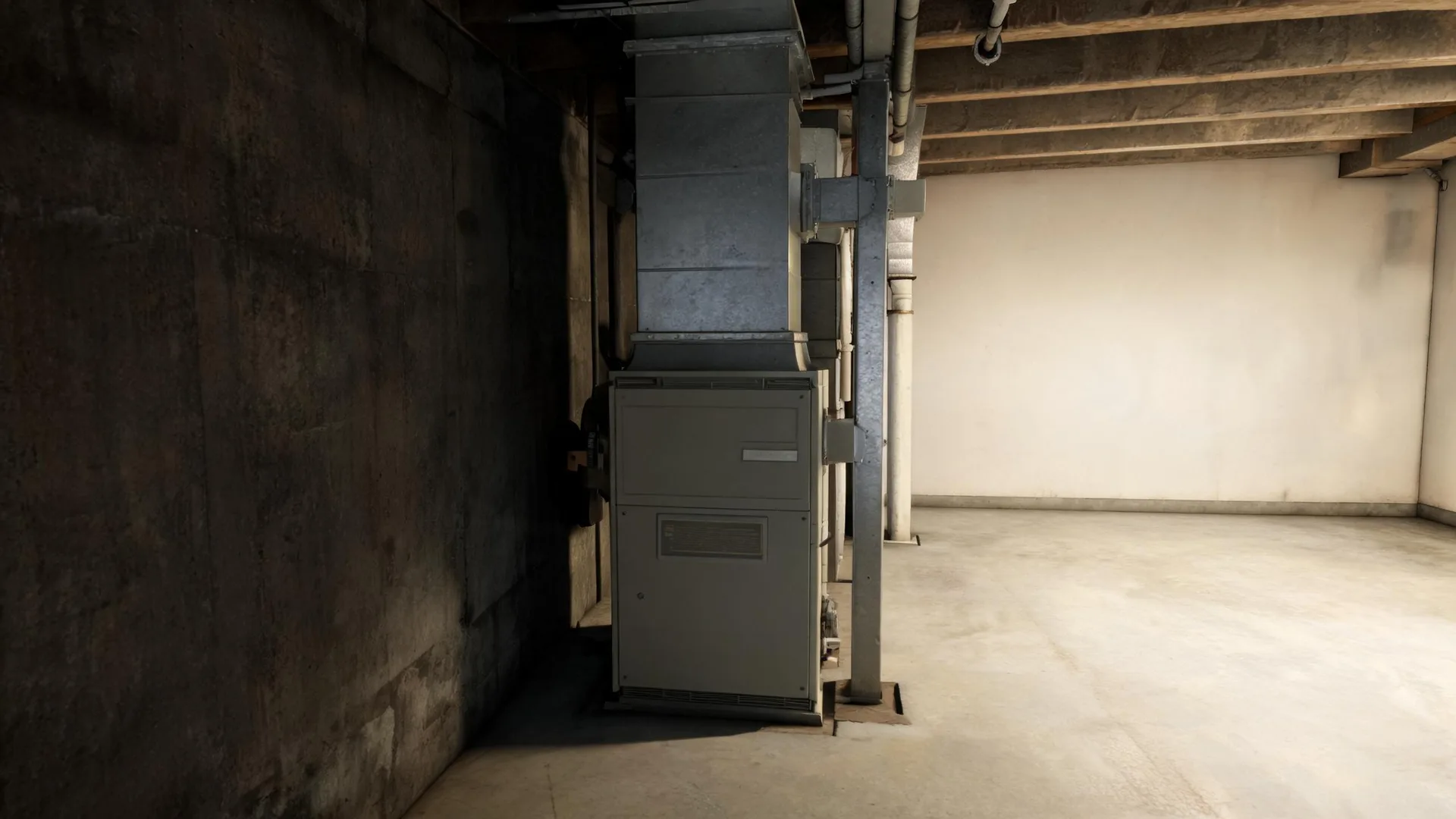
Furnaces in the older half of Santa Clara County's housing stock are running in houses that have outlasted the parts catalogs they were originally sized against. Half the homes in Santa Clara County, California were built in 1975 or earlier (2020-2024 ACS 5-year). A contractor opening a furnace in this stock will check whether the heat exchanger, the igniter, or the control board it takes can still be sourced, because a unit that age may carry components its manufacturer no longer supplies. That availability question is what shapes the repair, and it is answered inside the equipment, not from the outside.
The Parts of a Furnace a Contractor Checks First
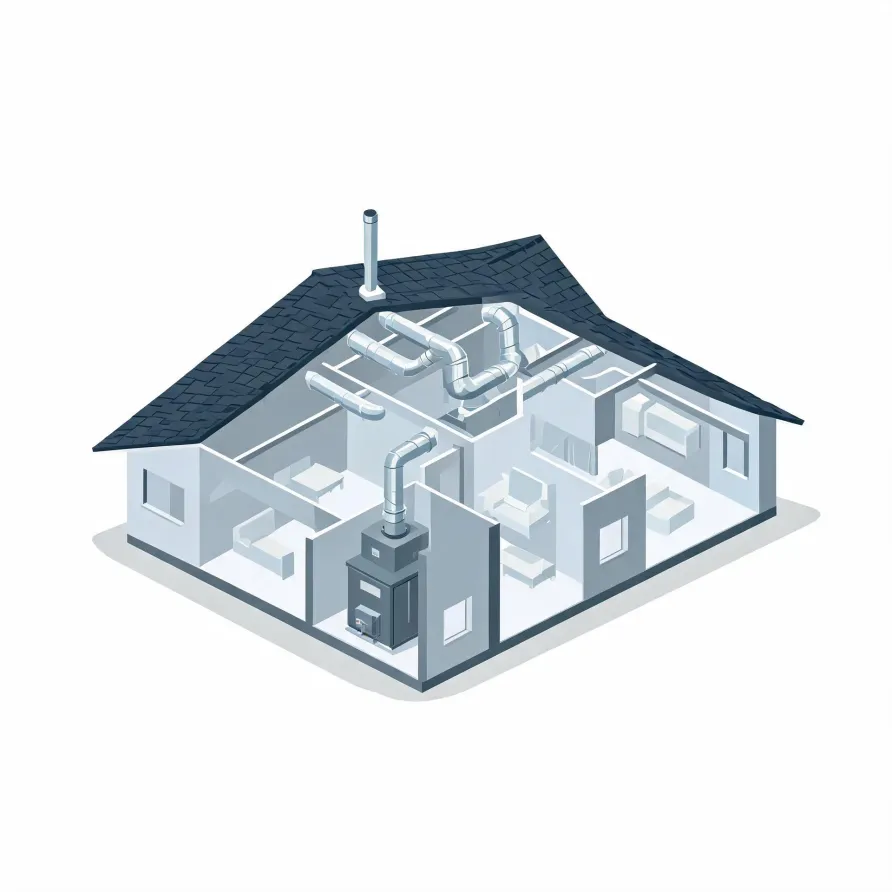
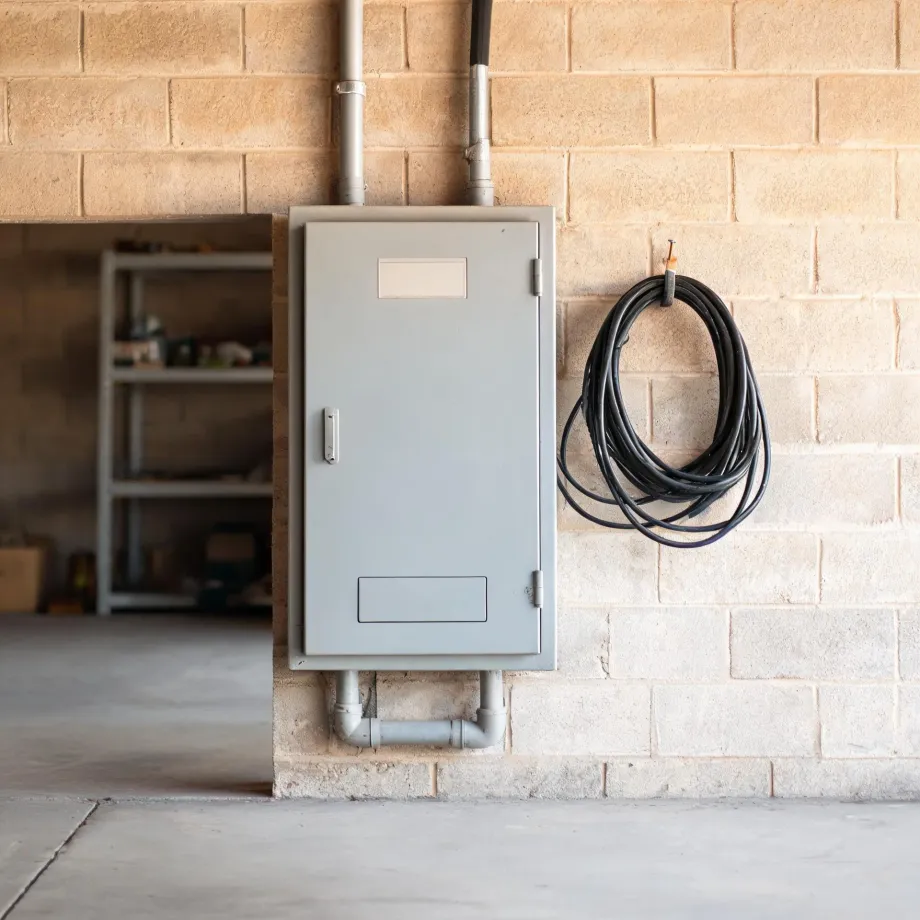
The heat exchanger sits inside the furnace cabinet in the utility space and is the first thing a contractor examines when the system is producing no heat or the wrong kind. The burner assembly, which fires just below it, and the igniter are checked next. A failed igniter is one of the more common reasons a furnace runs the blower but puts out no warmth.
The blower motor sits at the base of the cabinet and pushes conditioned air out through the supply side of the duct system. The flue or exhaust vent runs from the top or back of the cabinet to the outside, and a contractor checks it for blockages or cracks that would force the unit to shut down on a safety trip. The control board, mounted inside the cabinet door, coordinates all of it and shows fault codes that point a contractor toward the failed component.
The drawing shows a representative furnace layout, and a licensed contractor determines which components apply and what work is needed in your specific home.
Find a contractor in Santa Clara CountySanta Clara County, by the numbers
298 severe weather events were recorded in Santa Clara County, California between 2015 and 2024.
NOAA National Centers for Environmental Information, Storm Events Database, bulk CSV export, events 2015-01-01 through 2024-12-31.Half the homes in Santa Clara County, California were built in 1975 or earlier (2020-2024 ACS 5-year).
U.S. Census Bureau, 2020-2024 American Community Survey 5-Year EstimatesSanta Clara County, California holds 698,837 housing units (2020-2024 ACS 5-year).
U.S. Census Bureau, 2020-2024 American Community Survey 5-Year EstimatesOwners occupy 55.1% of the occupied homes in Santa Clara County, California (2020-2024 ACS 5-year).
U.S. Census Bureau, 2020-2024 American Community Survey 5-Year EstimatesCodes & Standards Covering Furnace Repair in Santa Clara County, California5 sourced rules and standards
What HVAC Repair Looks Like in Santa Clara County
Non-weatherized gas furnaces manufactured on or after November 19, 2015 must reach 80.0 percent AFUE.
Non-weatherized oil-fired furnaces manufactured on or after November 19, 2015 must reach 83.0 percent AFUE.
Mobile home gas furnaces manufactured on or after November 19, 2015 must reach 80.0 percent AFUE.
Non-weatherized gas furnaces manufactured on or after December 18, 2028 must reach 95.0 percent AFUE, up from the 80.0 percent minimum that applies to units manufactured before that date.
Licensing and Legal Requirements in Santa Clara County, California
California requires a state contractor license: it is a misdemeanour to engage in the business of, or act in the capacity of, a contractor in California without one, unless the work is exempt.
Weather Stress on HVAC Equipment in Santa Clara County
Furnaces work harder when outside conditions push against them, and how hard they work over time shapes when parts fail and what repairs cost. Santa Clara County weather is the local pressure a furnace here absorbs, which is why it belongs on a page about keeping that equipment running.
298 severe weather events, 2015–2024. Source: NOAA National Centers for Environmental Information, Storm Events Database.