Tell us about the job
Takes about a minute. No obligation.
Sizing a furnace for a Sutter County home starts with understanding what the burner and heat exchanger are actually being asked to carry. Homes in Sutter County, CA run heat about six months a year, from November through April. The ignition system cycles every time the furnace calls for heat, and across a season that long, those cycles accumulate on the same components week after week. A contractor quoting a replacement here factors that load into both equipment selection and installation quality, because a unit that is undersized or poorly sealed will show it in the heat exchanger long before the calendar gives it any real rest.
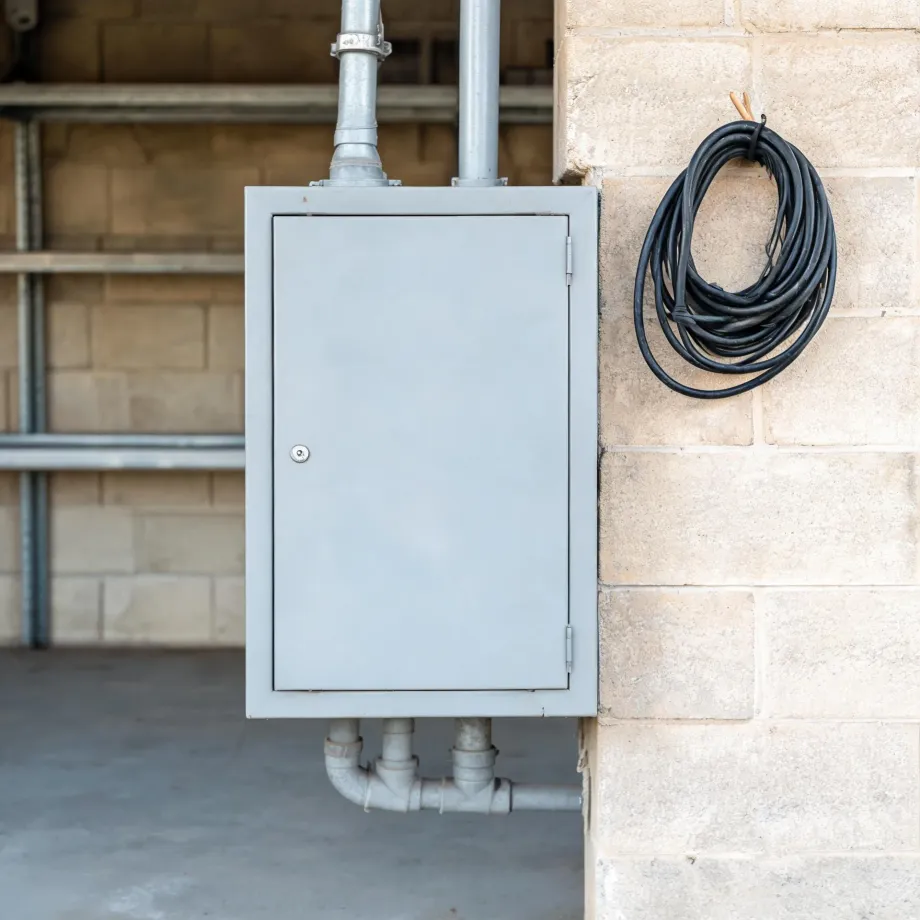
Ductwork sized for a furnace that is no longer made does not automatically carry a new one. A contractor installing a furnace here has to assess what the existing system actually moves before the new unit is chosen, because a mismatch between duct capacity and equipment output means the installation is wrong before it is finished. Half the homes in Sutter County, California were built in 1982 or earlier (2020-2024 ACS 5-year). That depth of stock means the duct question comes first, not the equipment question, and the electrical service gets the same scrutiny: panels in houses of that vintage were not designed around the loads modern furnaces draw. Getting both right is what the assessment is for.
What Gets Installed With a New Furnace
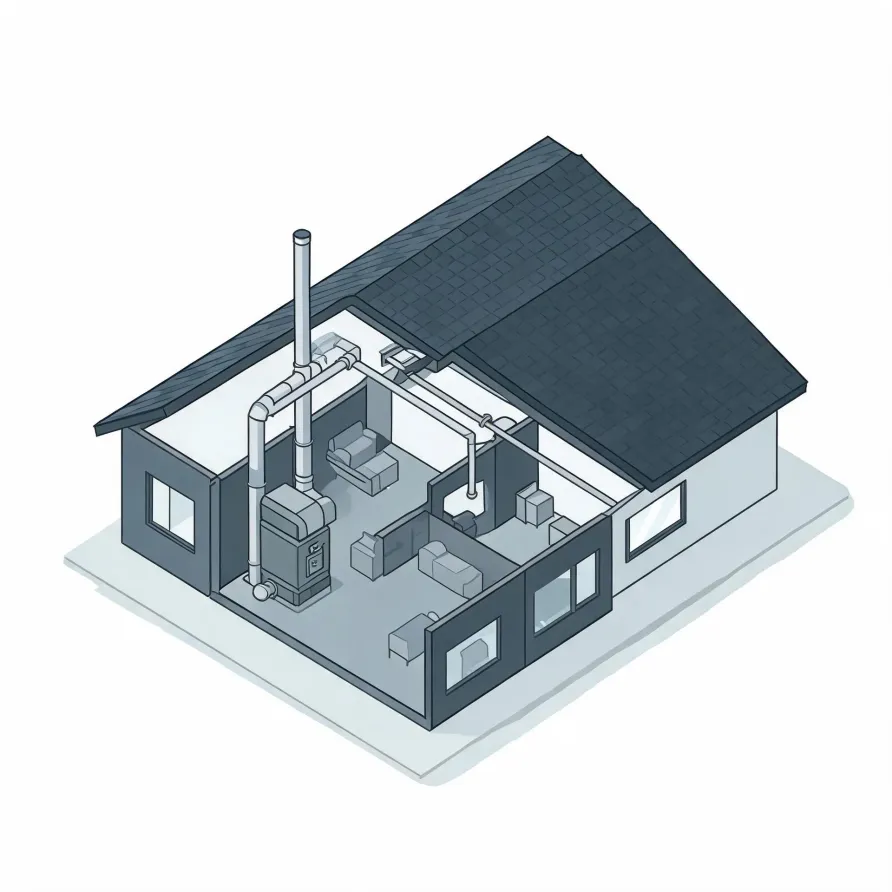
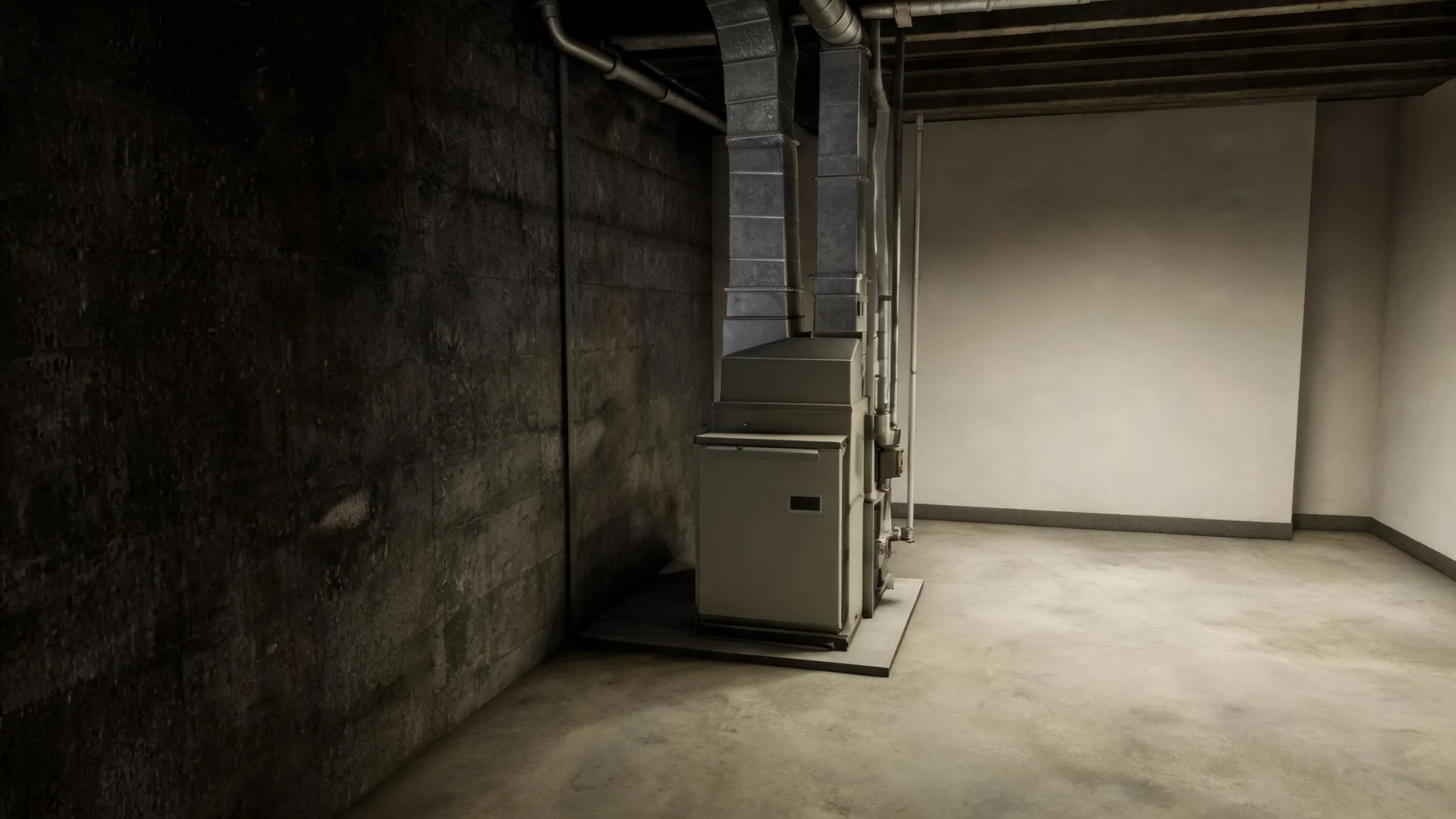
The furnace itself sits in the basement, utility closet, or garage and is the unit that generates heat. Attached to it, the heat exchanger is where combustion gases are kept separate from the air your home breathes. The burner assembly mounts inside the cabinet, and the blower motor below it pushes conditioned air out into the house.
The flue pipe runs from the furnace up and out of the house, carrying exhaust gases away from the living space. Alongside it, the gas line connects to the furnace's valve, and the thermostat mounts on an interior wall to tell the system when to fire.
The drawing shows a typical layout, and a licensed contractor determines exactly which components apply to your house and how they are configured.
Find a contractor in Sutter CountySutter County, by the record
61 severe weather events were recorded in Sutter County, California between 2015 and 2024.
NOAA National Centers for Environmental Information, Storm Events Database, bulk CSV export, events 2015-01-01 through 2024-12-31.Half the homes in Sutter County, California were built in 1982 or earlier (2020-2024 ACS 5-year).
U.S. Census Bureau, 2020-2024 American Community Survey 5-Year EstimatesSutter County, California holds 34,798 housing units (2020-2024 ACS 5-year).
U.S. Census Bureau, 2020-2024 American Community Survey 5-Year EstimatesOwners occupy 61.3% of the occupied homes in Sutter County, California (2020-2024 ACS 5-year).
U.S. Census Bureau, 2020-2024 American Community Survey 5-Year EstimatesFurnace Installation Rules That Apply in Sutter County, California5 sourced standards and codes
What happens when the contractor comes out
Non-weatherized gas furnaces manufactured on or after November 19, 2015 must reach 80.0 percent AFUE.
Non-weatherized oil-fired furnaces manufactured on or after November 19, 2015 must reach 83.0 percent AFUE.
Mobile home gas furnaces manufactured on or after November 19, 2015 must reach 80.0 percent AFUE.
Non-weatherized gas furnaces manufactured on or after December 18, 2028 must reach 95.0 percent AFUE, up from the 80.0 percent minimum that applies to units manufactured before that date.
Licensing Rules for HVAC Work in Sutter County, California
California requires a state contractor license: it is a misdemeanour to engage in the business of, or act in the capacity of, a contractor in California without one, unless the work is exempt.
Severe Weather Events in Sutter County
Sutter County's climate puts real demand on heating equipment, and that demand shifts with what the weather does from year to year. A furnace sized and installed for local conditions holds up better than one spec'd to a generic standard.
61 severe weather events, 2016–2024. Source: NOAA National Centers for Environmental Information, Storm Events Database.