Tell us about the job
Takes about a minute. No obligation.
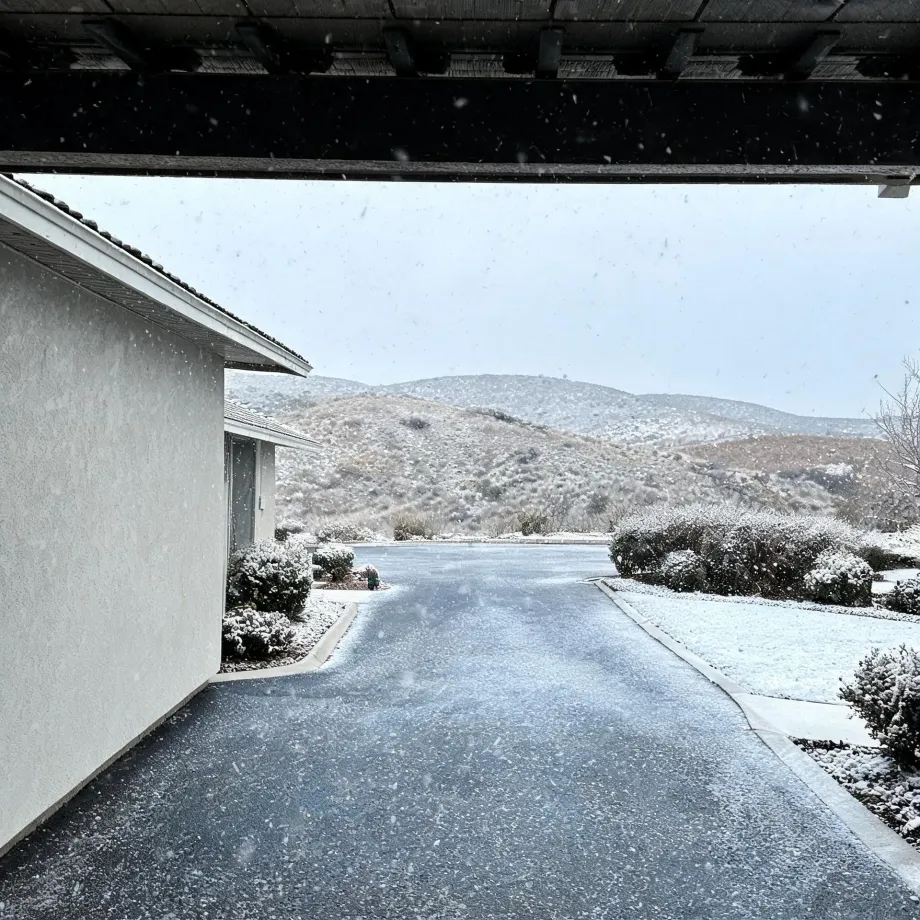
A furnace in this area puts its burner, heat exchanger, and ignition system through steady cycling for the bulk of the year, and that load shows in what a contractor finds when they open the equipment. Homes in Humboldt County, CA run heat about eight months a year, from October through May. Cracks in a heat exchanger, worn igniter contacts, and draft inducer motor fatigue all track with accumulated run time rather than with any single event. A contractor diagnosing a furnace here checks those components first because that is where the hours collect.
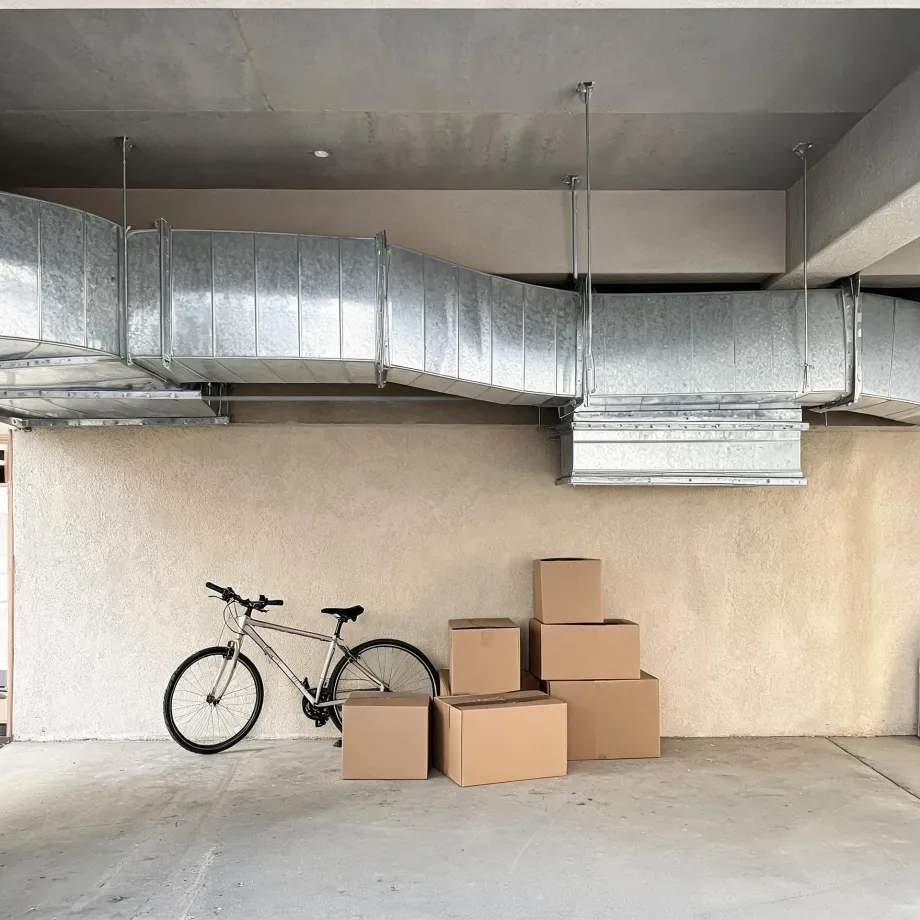
Ductwork in a house this old was sized and routed for whatever system was running when the house was new, and the furnace that replaced it may have been running long enough to accumulate its own wear history. Half the homes in Humboldt County, California were built in 1973 or earlier (2020-2024 ACS 5-year). A contractor opening a furnace in stock like this is checking heat exchanger condition, burner wear, and whether the control board or igniter the unit takes is still in production. When a part turns out to be discontinued, the repair decision changes: patch what is there or move to a replacement unit, and that call gets made at the cabinet, on the evidence found inside it.
The Parts of a Furnace a Contractor Checks First
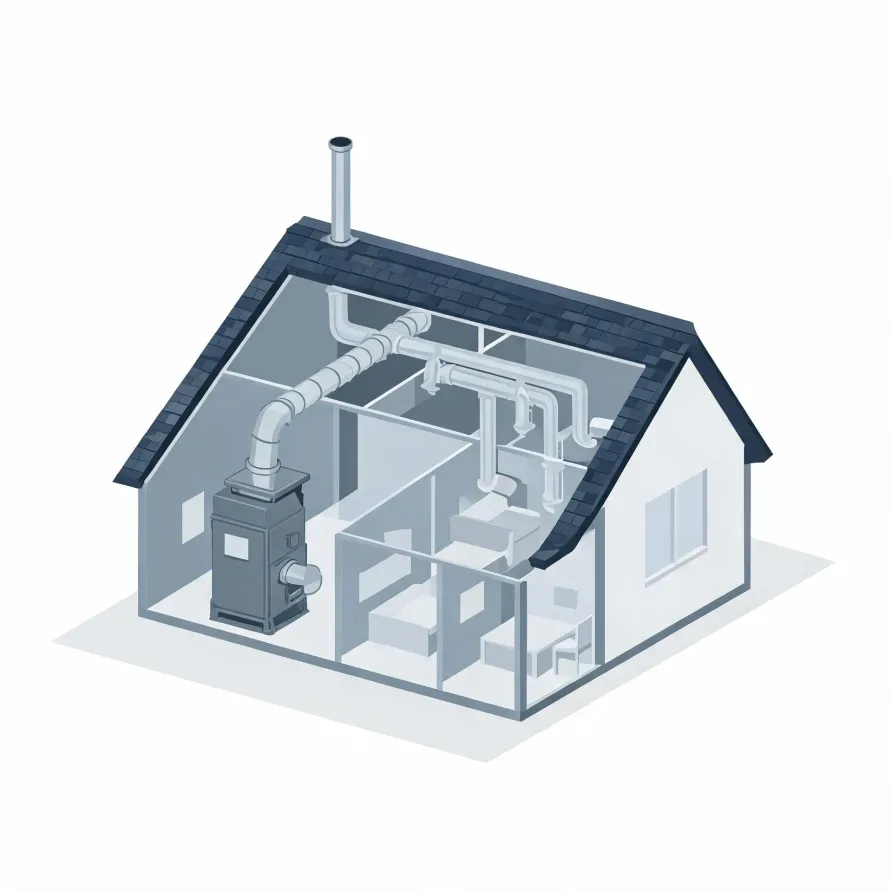
The furnace itself sits in a utility room, basement, or garage and is the first place a contractor looks. Inside it, the heat exchanger, burners, and blower motor each have a distinct job, and a fault in any one of them shows up differently. A cracked heat exchanger, a burner that won't ignite, or a blower that runs but moves little air all point the diagnosis in a different direction.
The flue pipe carries combustion gases out of the house and connects to the furnace at the top or rear. The thermostat on the wall and the limit switches inside the cabinet are smaller parts, but either one can shut the system down or cause it to run erratically. A contractor checks these alongside the main components because a simple sensor failure can mimic a much larger problem.
The drawing shows the general layout of a furnace system, and a licensed contractor determines which parts apply and what condition they are in for the specific unit in your home.
Find a contractor in Humboldt CountyHumboldt County, by the record
282 severe weather events were recorded in Humboldt County, California between 2015 and 2024.
NOAA National Centers for Environmental Information, Storm Events Database, bulk CSV export, events 2015-01-01 through 2024-12-31.Half the homes in Humboldt County, California were built in 1973 or earlier (2020-2024 ACS 5-year).
U.S. Census Bureau, 2020-2024 American Community Survey 5-Year EstimatesHumboldt County, California holds 62,883 housing units (2020-2024 ACS 5-year).
U.S. Census Bureau, 2020-2024 American Community Survey 5-Year EstimatesOwners occupy 56.5% of the occupied homes in Humboldt County, California (2020-2024 ACS 5-year).
U.S. Census Bureau, 2020-2024 American Community Survey 5-Year EstimatesCodes & Standards Covering Furnace Repair in Humboldt County, California5 sourced rules and standards
What happens when a contractor comes out for HVAC repair in Humboldt County
Non-weatherized gas furnaces manufactured on or after November 19, 2015 must reach 80.0 percent AFUE.
Non-weatherized oil-fired furnaces manufactured on or after November 19, 2015 must reach 83.0 percent AFUE.
Mobile home gas furnaces manufactured on or after November 19, 2015 must reach 80.0 percent AFUE.
Non-weatherized gas furnaces manufactured on or after December 18, 2028 must reach 95.0 percent AFUE, up from the 80.0 percent minimum that applies to units manufactured before that date.
Licensing Rules for HVAC Repair in Humboldt County, California
California requires a state contractor license: it is a misdemeanour to engage in the business of, or act in the capacity of, a contractor in California without one, unless the work is exempt.
Severe Weather Events in Humboldt County
Weather puts direct stress on heating equipment. Hard conditions force furnaces to run longer and work harder, and that load accumulates over time in ways that show up as repairs.
282 severe weather events, 2015–2024. Source: NOAA National Centers for Environmental Information, Storm Events Database.