Tell us about the job
Takes about a minute. No obligation.
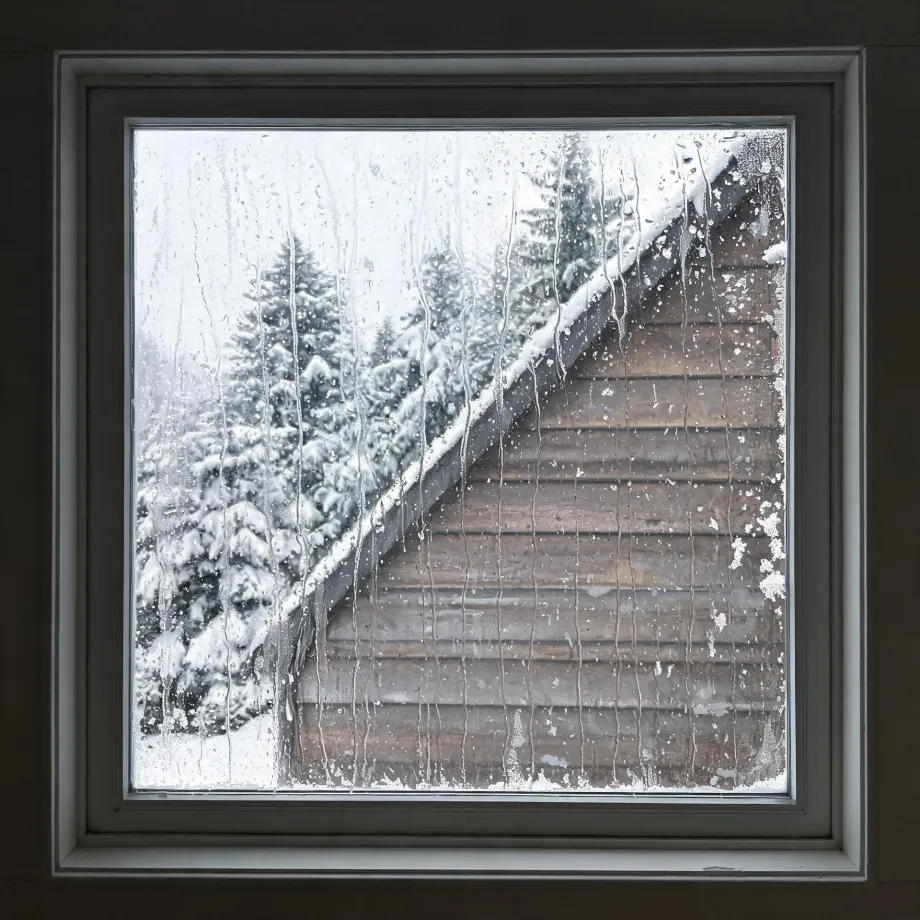
A furnace in Plumas County earns its wear across nearly the whole calendar. Homes in Plumas County, CA run heat about ten months a year, from September through June. The heat exchanger, burner, and ignition system cycle through that stretch without meaningful rest, and the parts that fail in a long heating season are almost always the ones that cycle most: igniters, heat exchanger seals, and blower motors. When a contractor opens a furnace here for a repair diagnosis, the cumulative load on those components is already high, and that shapes which parts get priced first.
Furnace parts in a house built for a different heating era do not always have a current catalog number. Half the homes in Plumas County, California were built in 1981 or earlier (2020-2024 ACS 5-year). A contractor who opens a furnace in stock like this may find a heat exchanger, an igniter, or a control board that the original manufacturer has discontinued, which changes what the repair costs and how long it takes to source the part. That supply question is what decides whether the job closes in a day or stretches into a back-order.
The Parts of a Furnace a Contractor Checks First
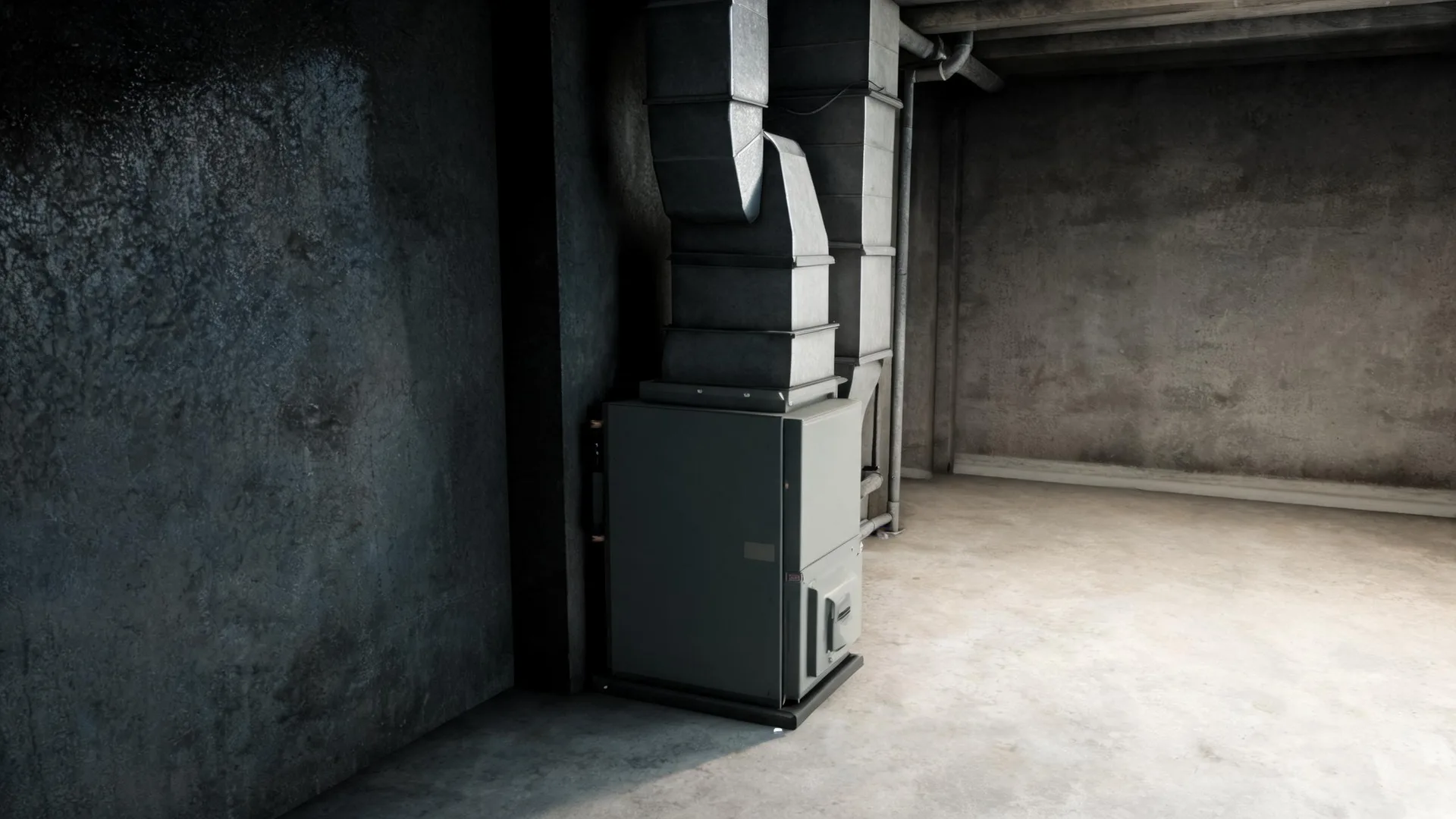
The heat exchanger sits at the core of the furnace cabinet in your utility space, basement, or closet, and it is the piece that separates combustion gases from the air your household breathes. When it cracks, the furnace often shuts itself down on a safety trip. The burners sit just below it, and a contractor reads their flame color and pattern to tell whether combustion is clean or troubled.
The blower motor and its wheel sit in the lower half of the cabinet, pulling return air across the heat exchanger and pushing it into the supply duct. The control board mounts inside the cabinet wall and coordinates every sequence from ignition to shutdown. The inducer motor, the pressure switches, the flame sensor, and the gas valve each have a defined role in that sequence, and a fault in any one of them shows up as a pattern a contractor can trace.
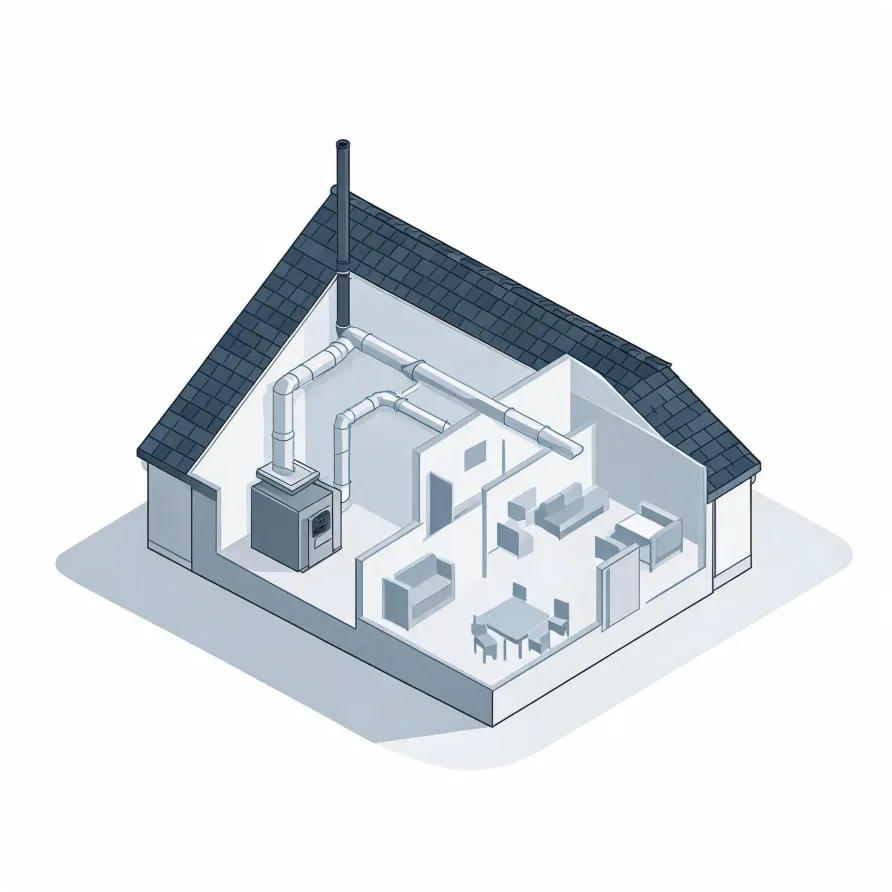
The drawing shows a typical furnace layout, and a licensed contractor determines which components apply and what condition they are in for your specific system.
Find a contractor in Plumas CountyPlumas County, by the numbers
202 severe weather events were recorded in Plumas County, California between 2015 and 2024.
NOAA National Centers for Environmental Information, Storm Events Database, bulk CSV export, events 2015-01-01 through 2024-12-31.Half the homes in Plumas County, California were built in 1981 or earlier (2020-2024 ACS 5-year).
U.S. Census Bureau, 2020-2024 American Community Survey 5-Year EstimatesPlumas County, California holds 14,921 housing units (2020-2024 ACS 5-year).
U.S. Census Bureau, 2020-2024 American Community Survey 5-Year EstimatesOwners occupy 74.6% of the occupied homes in Plumas County, California (2020-2024 ACS 5-year).
U.S. Census Bureau, 2020-2024 American Community Survey 5-Year EstimatesCodes & Standards Behind Furnace Repair in Plumas County, California5 sourced rules and standards
What the repair visit looks like
Non-weatherized gas furnaces manufactured on or after November 19, 2015 must reach 80.0 percent AFUE.
Non-weatherized oil-fired furnaces manufactured on or after November 19, 2015 must reach 83.0 percent AFUE.
Mobile home gas furnaces manufactured on or after November 19, 2015 must reach 80.0 percent AFUE.
Non-weatherized gas furnaces manufactured on or after December 18, 2028 must reach 95.0 percent AFUE, up from the 80.0 percent minimum that applies to units manufactured before that date.
Licensing Rules for HVAC Work in Plumas County, California
California requires a state contractor license: it is a misdemeanour to engage in the business of, or act in the capacity of, a contractor in California without one, unless the work is exempt.
Weather Events in Plumas County That Put Heating Systems to Work
Furnaces in Plumas County carry the load every time conditions turn harsh. How much strain that puts on a heating system over time is a local question, and local weather history is part of the answer.
202 severe weather events, 2015–2024. Source: NOAA National Centers for Environmental Information, Storm Events Database.