Tell us about the job
Takes about a minute. No obligation.
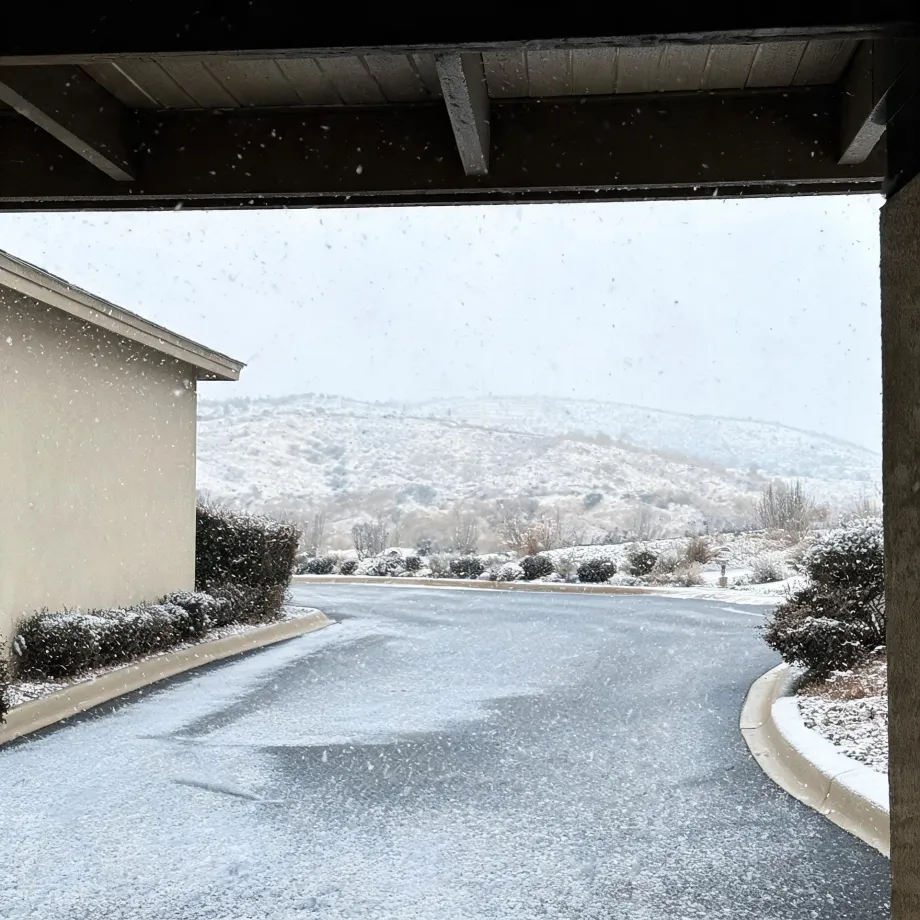
A furnace in Sierra County gets very little time off. Homes in Sierra County, CA run heat about ten months a year, from September through June. The burner cycles and the ignition system fires repeatedly across that span, and those parts accumulate wear faster than components in a shorter season would allow. When a contractor opens a call here, the heat exchanger, the igniter, and the burner assembly are where they look first, because the hours are on those parts. Ductwork and filters matter, but the combustion side of the system has earned the first look.
Furnace parts are the variable that shapes a repair job here. Half the homes in Sierra County, California were built in 1971 or earlier (2020-2024 ACS 5-year). A system running in a house from that era was likely installed or replaced well after the original build, but the furnace models that suit this stock tend to be old enough that specific heat exchangers, igniters, and control boards sit at the edge of what distributors still carry. When a contractor opens a unit, the condition of those components decides whether the repair closes in a day or stretches while parts are sourced.
The Parts of a Furnace a Contractor Checks First
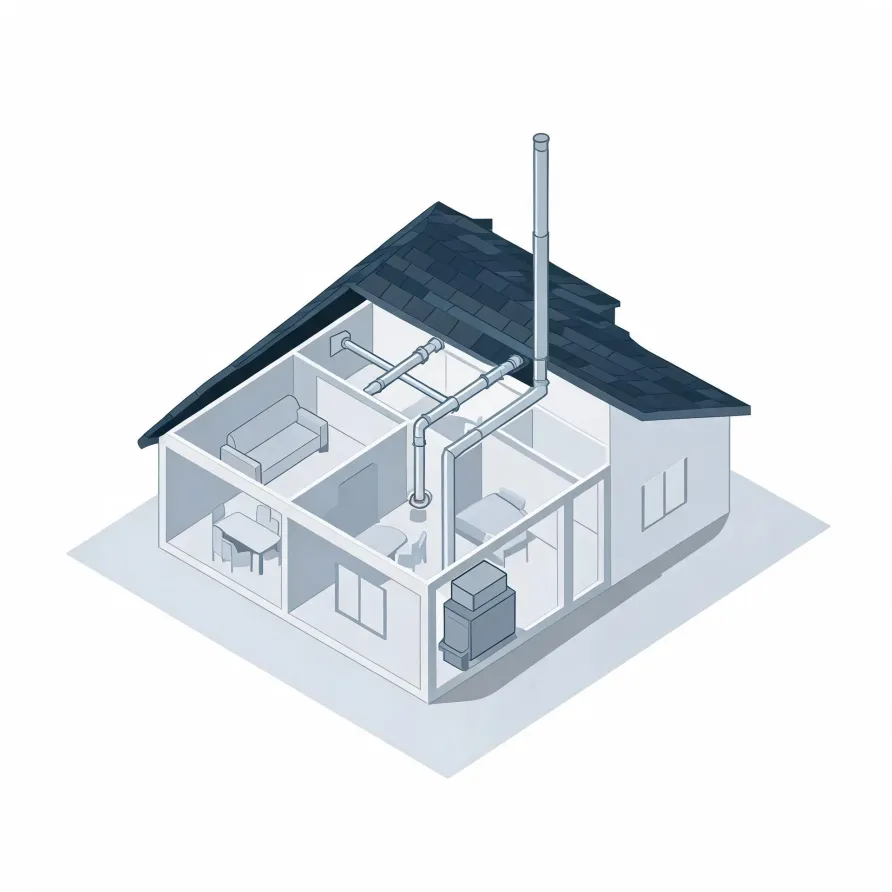
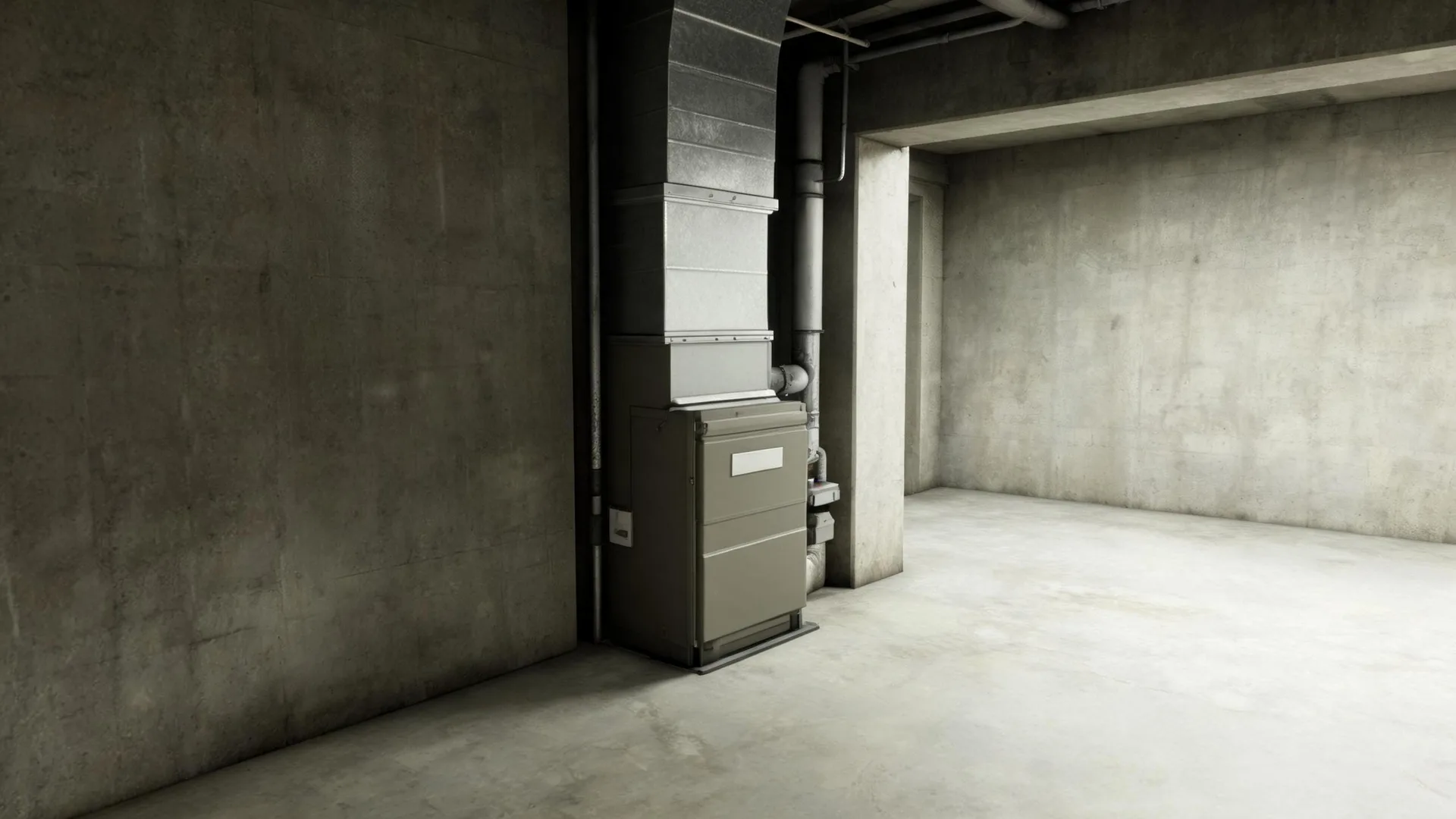
The heat exchanger sits inside the furnace cabinet, usually in a basement, utility closet, or garage, and it is where combustion heat transfers to the air moving through your home. Cracks or corrosion here are serious. The burner assembly, just below it, is where the contractor looks when the system runs but heats poorly or fails to light.
The blower motor pushes conditioned air into the duct system and sits at the base of the cabinet. The flue pipe runs from the top of the furnace to an exterior vent, and a contractor checks it when combustion gases are not exhausting cleanly. The control board and flame sensor are small components inside the cabinet that govern ignition and operation, and either one can stop a furnace cold when it fails.
The drawing shows the general layout of a furnace system, and a licensed contractor determines which components apply to your specific installation.
Find a contractor in Sierra CountySierra County, by the numbers
347 severe weather events were recorded in Sierra County, California between 2015 and 2024.
NOAA National Centers for Environmental Information, Storm Events Database, bulk CSV export, events 2015-01-01 through 2024-12-31.Half the homes in Sierra County, California were built in 1971 or earlier (2020-2024 ACS 5-year).
U.S. Census Bureau, 2020-2024 American Community Survey 5-Year EstimatesSierra County, California holds 2,120 housing units (2020-2024 ACS 5-year).
U.S. Census Bureau, 2020-2024 American Community Survey 5-Year EstimatesOwners occupy 72.1% of the occupied homes in Sierra County, California (2020-2024 ACS 5-year).
U.S. Census Bureau, 2020-2024 American Community Survey 5-Year EstimatesFurnace Repair Rules & Codes for Sierra County, California5 sourced rules and standards
What Happens When a Contractor Comes Out
Non-weatherized gas furnaces manufactured on or after November 19, 2015 must reach 80.0 percent AFUE.
Non-weatherized oil-fired furnaces manufactured on or after November 19, 2015 must reach 83.0 percent AFUE.
Mobile home gas furnaces manufactured on or after November 19, 2015 must reach 80.0 percent AFUE.
Non-weatherized gas furnaces manufactured on or after December 18, 2028 must reach 95.0 percent AFUE, up from the 80.0 percent minimum that applies to units manufactured before that date.
What Sierra County and California Require for HVAC Repair
California requires a state contractor license: it is a misdemeanour to engage in the business of, or act in the capacity of, a contractor in California without one, unless the work is exempt.
Severe Weather Events in Sierra County
Furnaces in Sierra County work against the local climate, and local weather is what sets the pace of wear, stress cycles, and repair frequency. A chart of recorded weather events puts that workload in concrete terms.
347 severe weather events, 2015–2024. Source: NOAA National Centers for Environmental Information, Storm Events Database.