Tell us about the job
Takes about a minute. No obligation.
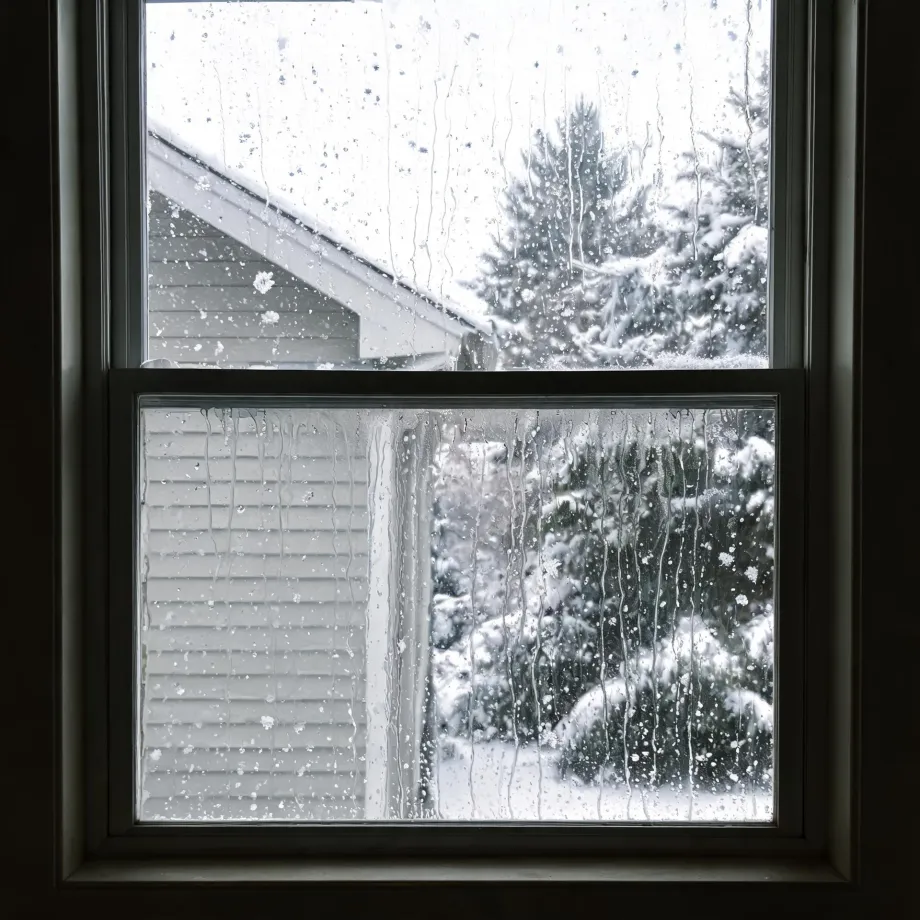
A furnace running a repair call in Lassen County has already put heavy work on its heat exchanger, burner, and ignition system. Homes in Lassen County, CA run heat about ten months a year, from September through June. That means a contractor diagnosing a fault here traces it through parts that have cycled hard and repeatedly, not ones sitting close to new. Cracks in a heat exchanger and igniter wear are the findings that show up first, because those are the components the long heating season loads most directly. A short idle period in summer leaves little time for minor faults to surface before cold weather returns and the system has to perform again.
Older furnace stock accumulates wear in specific places: heat exchangers, ignitors, and control boards that were made for runs that ended long ago. Half the homes in Lassen County, California were built in 1977 or earlier (2020-2024 ACS 5-year). A contractor who opens a furnace in a house like this has to establish what the unit actually takes before a repair scope means anything, because a part that looks standard may sit on a weeks-long backorder or have no current equivalent at all. That gap between what the system needs and what a supplier can ship today is often what decides whether a repair is straightforward or turns into a longer conversation about options.
The Parts of a Furnace a Contractor Checks First
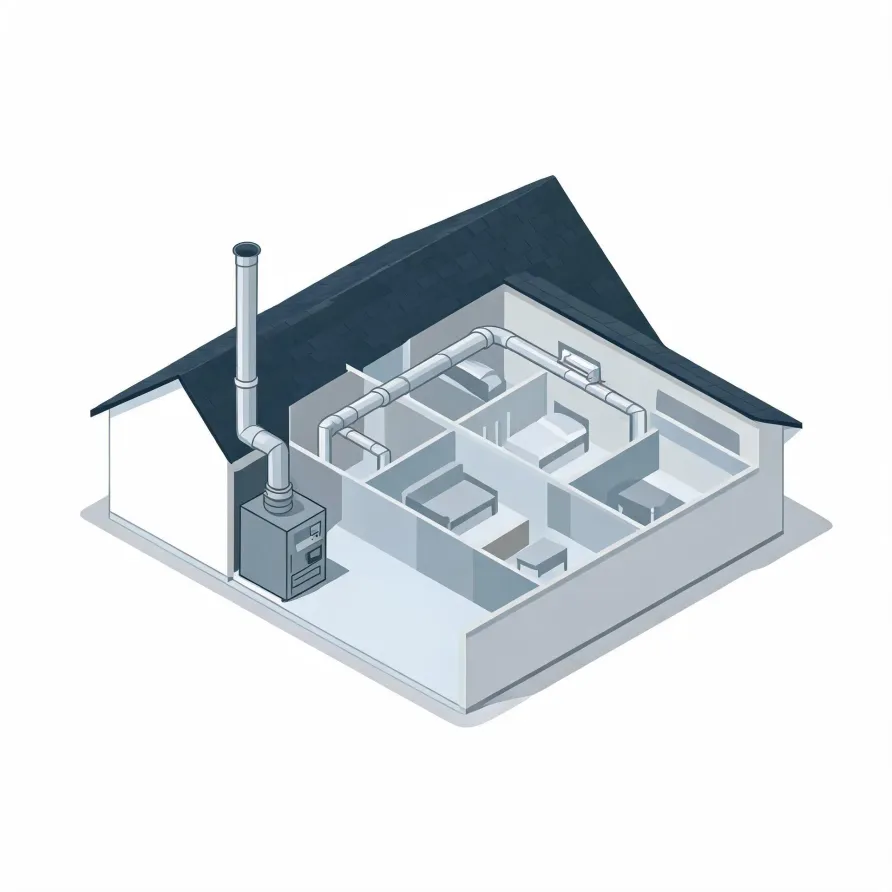
The heat exchanger sits at the center of the furnace cabinet and is where a contractor looks early when a furnace blows cold air or shuts off unexpectedly. The burner assembly, just upstream of it, is the part that ignites the fuel. A cracked exchanger or a fouled burner accounts for a large share of heating failures.
The blower motor and its fan wheel sit at the base of the cabinet and push conditioned air into the duct system. The control board, mounted inside the cabinet panel, governs the sequence of ignition, heat, and airflow. The flue pipe runs from the top of the cabinet to an exterior vent, and a contractor checks it when combustion gases are suspected of backing up.
The drawing shows a typical furnace layout, and a licensed contractor determines which parts apply to the specific equipment and installation in your home.
Find a contractor in Lassen CountyLassen County, by the numbers
206 severe weather events were recorded in Lassen County, California between 2015 and 2024.
NOAA National Centers for Environmental Information, Storm Events Database, bulk CSV export, events 2015-01-01 through 2024-12-31.Half the homes in Lassen County, California were built in 1977 or earlier (2020-2024 ACS 5-year).
U.S. Census Bureau, 2020-2024 American Community Survey 5-Year EstimatesLassen County, California holds 12,231 housing units (2020-2024 ACS 5-year).
U.S. Census Bureau, 2020-2024 American Community Survey 5-Year EstimatesOwners occupy 68.2% of the occupied homes in Lassen County, California (2020-2024 ACS 5-year).
U.S. Census Bureau, 2020-2024 American Community Survey 5-Year EstimatesCodes & Standards Governing Furnace Repair in Lassen County, California5 sourced rules and standards
What happens when a contractor comes out for HVAC repair in Lassen County
Non-weatherized gas furnaces manufactured on or after November 19, 2015 must reach 80.0 percent AFUE.
Non-weatherized oil-fired furnaces manufactured on or after November 19, 2015 must reach 83.0 percent AFUE.
Mobile home gas furnaces manufactured on or after November 19, 2015 must reach 80.0 percent AFUE.
Non-weatherized gas furnaces manufactured on or after December 18, 2028 must reach 95.0 percent AFUE, up from the 80.0 percent minimum that applies to units manufactured before that date.
What Lassen County and California Require for HVAC Repair
California requires a state contractor license: it is a misdemeanour to engage in the business of, or act in the capacity of, a contractor in California without one, unless the work is exempt.
Weather Stress on HVAC Equipment in Lassen County
Heating equipment works against whatever the climate throws at it, and Lassen County's weather sets the terms for how hard a furnace has to work and how often it breaks. Repair demand here follows local conditions, which is why the weather record below belongs on this page.
206 severe weather events, 2015–2024. Source: NOAA National Centers for Environmental Information, Storm Events Database.