Tell us about the job
Takes about a minute. No obligation.
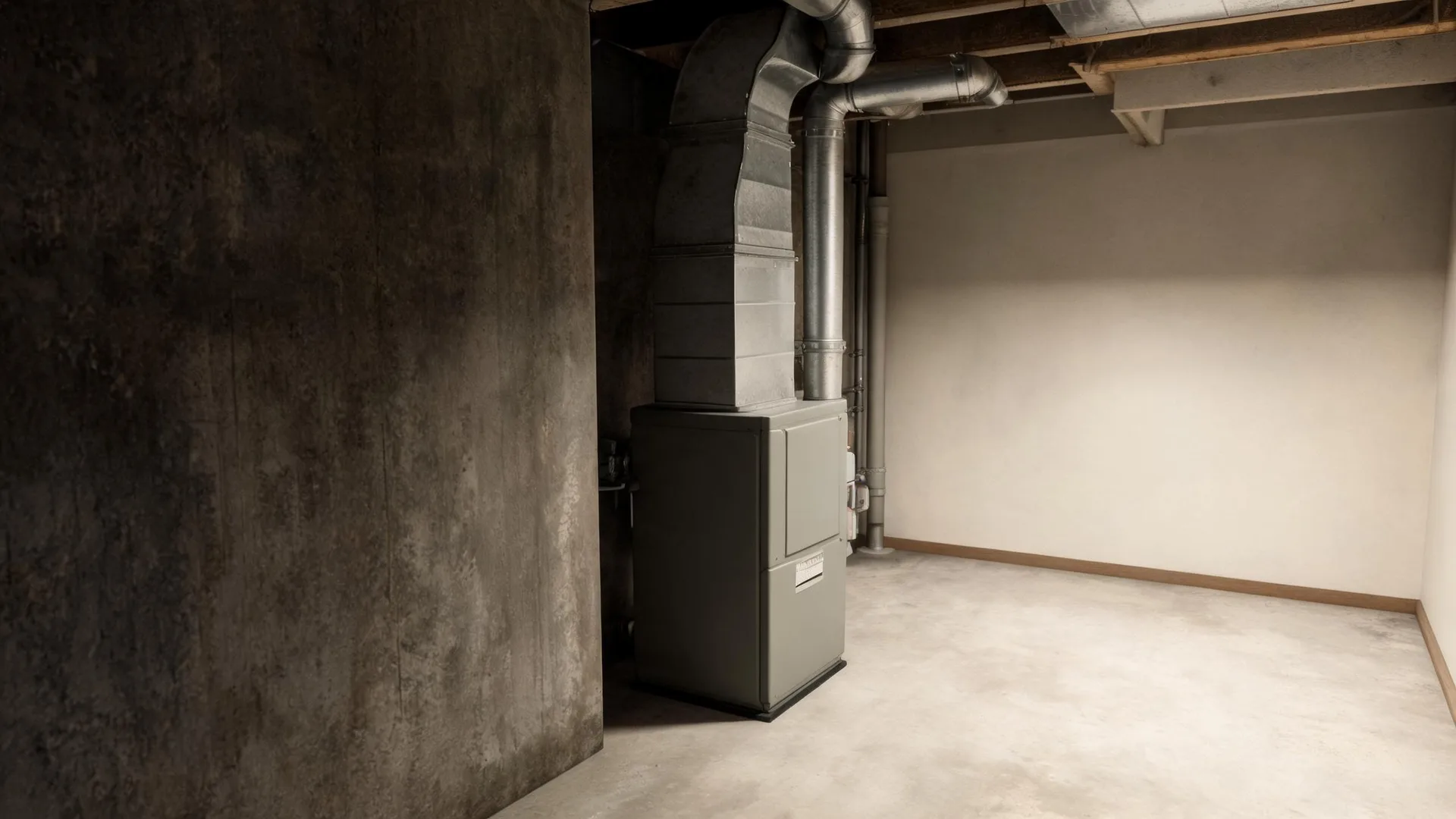
A furnace repair in San Joaquin County starts at the components that take the most punishment: the burner, the heat exchanger, and the ignition system. Homes in San Joaquin County, CA run heat about six months a year, from November through April. Each firing cycle stresses those parts, and a system that has run through enough of them will show wear at the ignition assembly or hairline cracking at the heat exchanger well before anything else gives out. A contractor arriving at a breakdown here checks those first, because that is where the load has been going.
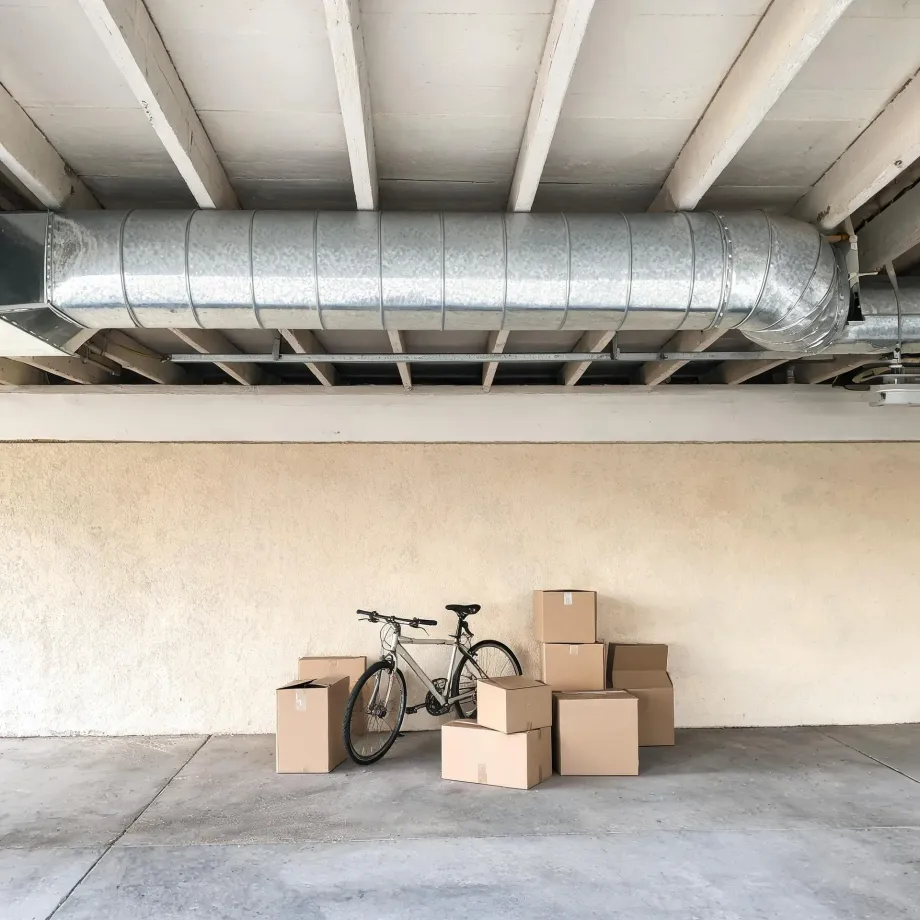
Furnaces running in houses this old have a repair history that shows up inside the cabinet, not on the label. Half the homes in San Joaquin County, California were built in 1984 or earlier (2020-2024 ACS 5-year). A contractor who opens a heat exchanger in stock like this is looking for fatigue cracks, carbon deposits, and failed igniter components that accumulate over a long service life. Whether the parts a unit of that age takes are still manufactured is a real question, and the answer changes what the repair costs and whether it makes sense to complete it.
The Parts of a Furnace a Contractor Checks First
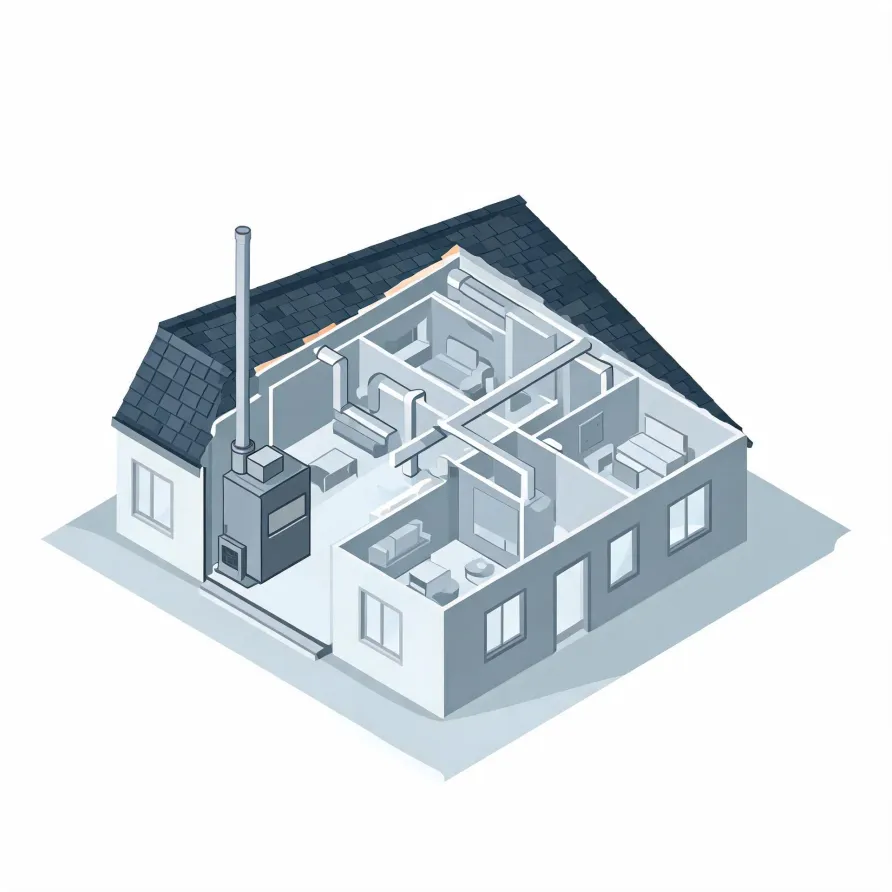
The furnace itself sits in a utility space, basement, or garage and is the piece a contractor goes to first. Inside it, the heat exchanger is the part that does the actual heating work, and a crack or failure there is one of the more serious findings a repair visit can turn up. The burners feed heat into that exchanger, and when the furnace short-cycles or fails to ignite, those burners are where the diagnosis starts.
The blower motor pushes conditioned air out through the house and pulls return air back in, so a furnace that runs but moves little air points a contractor toward that motor or its capacitor. Sitting at the point where return air enters the unit, the air filter affects how hard the blower works and how clean the heat exchanger stays. The flue or venting pipe runs from the furnace to the outside and carries combustion gases out, making it a check point any time something smells wrong or a safety sensor trips.
The drawing shows a typical furnace layout, and a licensed contractor determines which components apply and need attention in your specific home.
Find a contractor in San Joaquin CountySan Joaquin County, by the numbers
24 severe weather events were recorded in San Joaquin County, California between 2015 and 2024.
NOAA National Centers for Environmental Information, Storm Events Database, bulk CSV export, events 2015-01-01 through 2024-12-31.Half the homes in San Joaquin County, California were built in 1984 or earlier (2020-2024 ACS 5-year).
U.S. Census Bureau, 2020-2024 American Community Survey 5-Year EstimatesSan Joaquin County, California holds 260,151 housing units (2020-2024 ACS 5-year).
U.S. Census Bureau, 2020-2024 American Community Survey 5-Year EstimatesOwners occupy 62.0% of the occupied homes in San Joaquin County, California (2020-2024 ACS 5-year).
U.S. Census Bureau, 2020-2024 American Community Survey 5-Year EstimatesCodes & Standards Governing Furnace Repair in San Joaquin County, California5 sourced rules and standards
What HVAC Repair Looks Like in San Joaquin County
Non-weatherized gas furnaces manufactured on or after November 19, 2015 must reach 80.0 percent AFUE.
Non-weatherized oil-fired furnaces manufactured on or after November 19, 2015 must reach 83.0 percent AFUE.
Mobile home gas furnaces manufactured on or after November 19, 2015 must reach 80.0 percent AFUE.
Non-weatherized gas furnaces manufactured on or after December 18, 2028 must reach 95.0 percent AFUE, up from the 80.0 percent minimum that applies to units manufactured before that date.
Licensing and Legal Requirements in San Joaquin County, California
California requires a state contractor license: it is a misdemeanour to engage in the business of, or act in the capacity of, a contractor in California without one, unless the work is exempt.
Weather Stress on HVAC Equipment in San Joaquin County
Heating equipment works harder when outdoor conditions swing hard, and San Joaquin County has weather that puts real load on furnaces over time. Repair needs here reflect that local reality, which is why a contractor who knows this area reads the history of the place, not just the unit in front of them.
24 severe weather events, 2017–2024. Source: NOAA National Centers for Environmental Information, Storm Events Database.