Tell us about the job
Takes about a minute. No obligation.
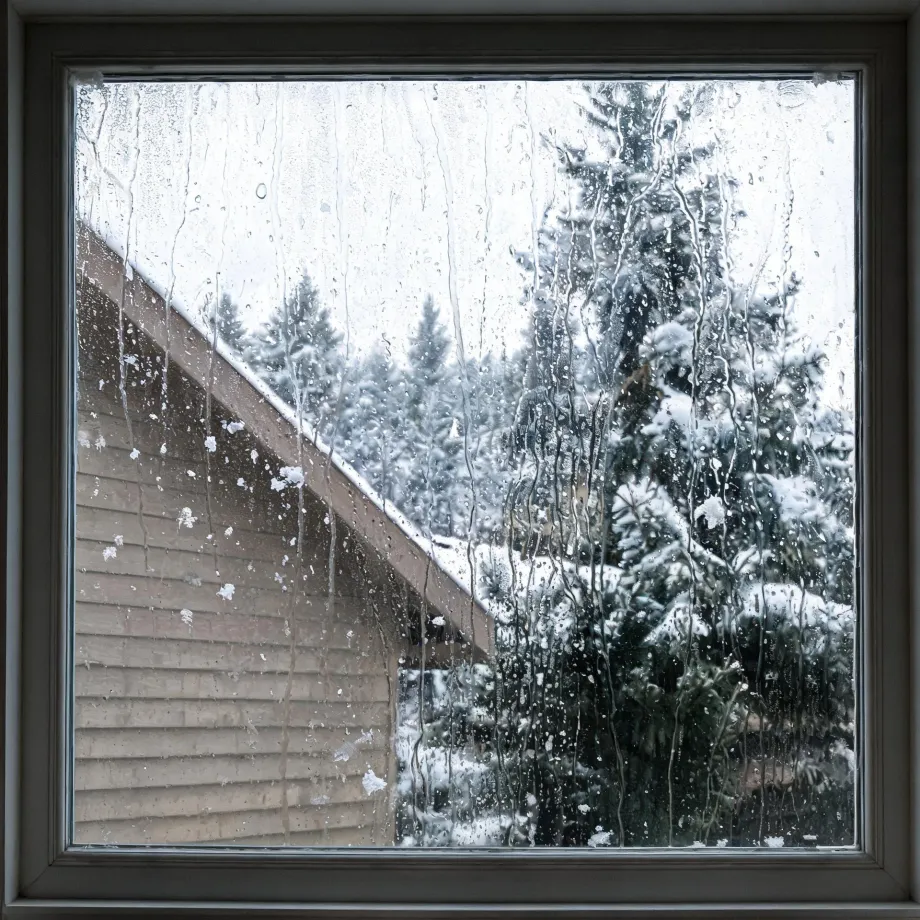
A furnace in Calaveras County works hard and works long. Homes in Calaveras County, CA run heat about eight months a year, from October through May. The burner and heat exchanger cycle on and off through that entire stretch, and the ignition system fires at the start of every one of those cycles. By the time a furnace throws a fault, those parts have already logged a full career of starts. A contractor here checks the heat exchanger for cracks and the igniter for wear early in a diagnosis, because that is where accumulated cycling damage shows up first.
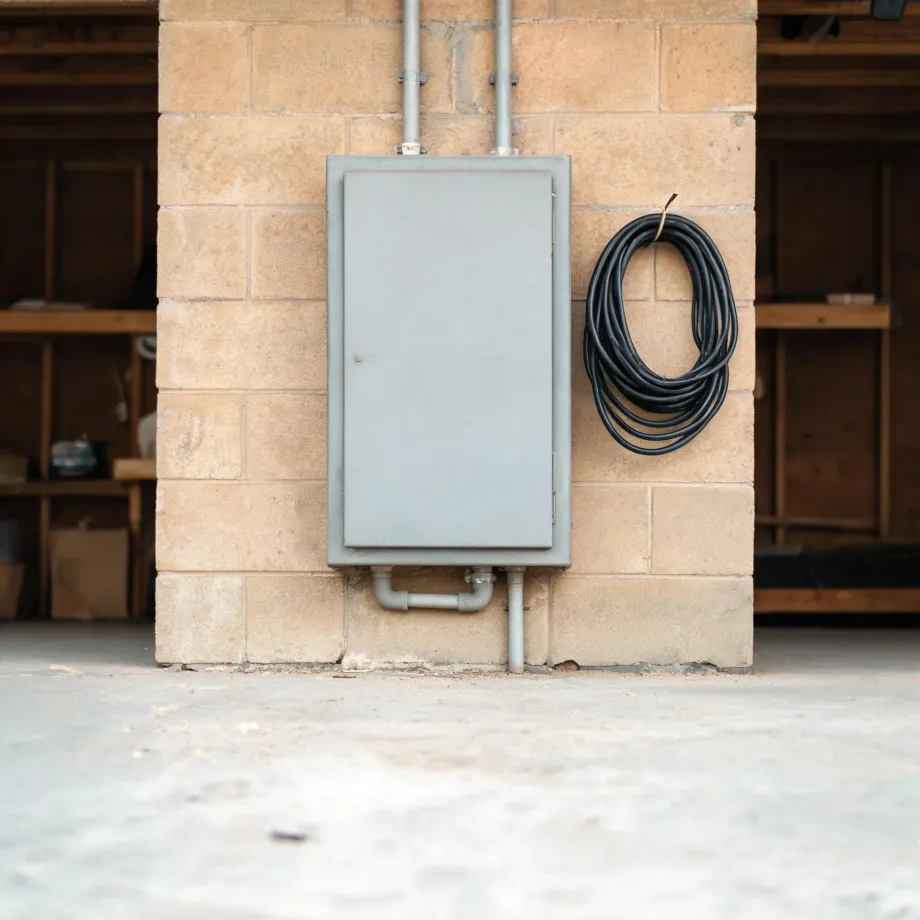
Furnaces running in older housing stock are often a generation or more past the models a parts warehouse stocks for same-week delivery. Half the homes in Calaveras County, California were built in 1986 or earlier (2020-2024 ACS 5-year). A contractor who opens a heat exchanger or pulls a failed control board in a house like this has to verify whether that component is still in active production before quoting a repair, because a substitute part that fits the cabinet does not always match the original pressure ratings or ignition sequence. The age gap between the house and its furnace matters less than the age gap between the furnace and the supply chain behind it.
The Parts of a Furnace a Contractor Checks First
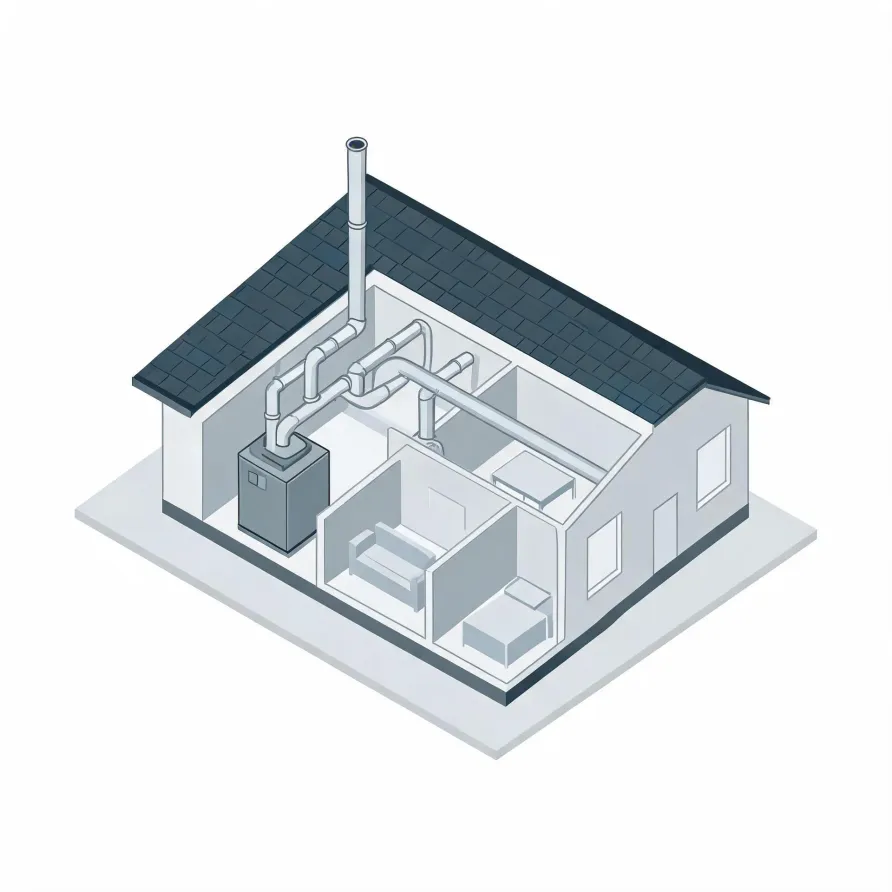
The heat exchanger sits at the core of the furnace cabinet, typically in a utility room, basement, or garage. It is the surface that warms the air your home actually breathes, so a crack or breach there is serious. The burner assembly feeds into it directly, and a contractor will examine both when heat output drops or the unit short-cycles.
The blower motor sits below the heat exchanger and pushes conditioned air out into the supply side of the house. The flue or venting runs from the top of the cabinet and carries combustion gases out through the wall or roof. The control board ties the system together, reading signals from the thermostat and telling each component when to fire.
The drawing shows a general furnace layout, and a licensed contractor will determine which components apply to your specific equipment and installation.
Find a contractor in Calaveras CountyCalaveras County by the Numbers
300 severe weather events were recorded in Calaveras County, California between 2015 and 2024.
NOAA National Centers for Environmental Information, Storm Events Database, bulk CSV export, events 2015-01-01 through 2024-12-31.Half the homes in Calaveras County, California were built in 1986 or earlier (2020-2024 ACS 5-year).
U.S. Census Bureau, 2020-2024 American Community Survey 5-Year EstimatesCalaveras County, California holds 27,683 housing units (2020-2024 ACS 5-year).
U.S. Census Bureau, 2020-2024 American Community Survey 5-Year EstimatesOwners occupy 84.0% of the occupied homes in Calaveras County, California (2020-2024 ACS 5-year).
U.S. Census Bureau, 2020-2024 American Community Survey 5-Year EstimatesFurnace Repair Rules & Standards on Record for Calaveras County, California5 sourced rules and standards
What HVAC Repair Looks Like in Calaveras County
Non-weatherized gas furnaces manufactured on or after November 19, 2015 must reach 80.0 percent AFUE.
Non-weatherized oil-fired furnaces manufactured on or after November 19, 2015 must reach 83.0 percent AFUE.
Mobile home gas furnaces manufactured on or after November 19, 2015 must reach 80.0 percent AFUE.
Non-weatherized gas furnaces manufactured on or after December 18, 2028 must reach 95.0 percent AFUE, up from the 80.0 percent minimum that applies to units manufactured before that date.
Licensing and Legal Requirements in Calaveras County, California
California requires a state contractor license: it is a misdemeanour to engage in the business of, or act in the capacity of, a contractor in California without one, unless the work is exempt.
Weather Events in Calaveras County That Stress Heating Systems
Furnaces in Calaveras County work harder when the weather swings hard. Stress from those conditions shows up later as wear, repair calls, and parts that fail ahead of schedule.
300 severe weather events, 2015–2024. Source: NOAA National Centers for Environmental Information, Storm Events Database.